

The long awaited and controversial proclamation No. 341/2003 for the establishment of Chambers of Commerce and Sectorial Association is at the final stage for amendment, Capital learnt.
Chambers particularly Ethiopian Chamber of Commerce and Sectorial Associations frequently claimed that the proclamation should be revised. It has also tabled possible revision and direction to show how and why the proclamation should be changed.
Over a decade ago the sector actors expressed their claim that the proclamation is a bottleneck for the operation.
According to the information Capital obtained from relevant bodies, the proclamation is under the final stage to be amended. Source said that the proclamation may be one of the first proclamations tabled to the parliament for amendment in the coming new session, which is not yet known.
Sources said that Ministry of Trade and Industry, which is responsible to develop the proclamation, has finalized the amendment of the controversial proclamation.
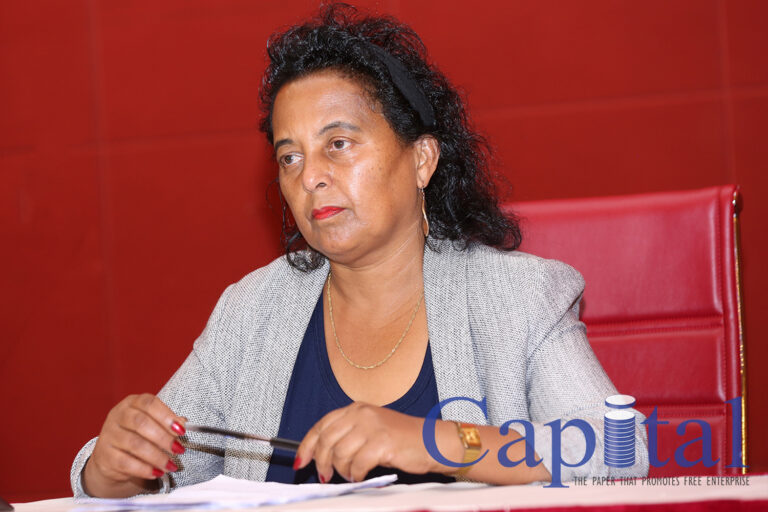
Mesenbet Shenkute, President of Addis Ababa Chamber of Commerce and Sectorial Associations, said that her association has accessed the draft proclamation. “We have seen the draft document and responded with our comments and recommendation for the ministry,” she told Capital.
The sector experts argued that meanwhile the proclamation is in effect for close to two decades it is not applied properly. “It does not also considered sectors and trade properly, while some crucial sectors do not have proper recognition because of the proclamation,” they said.
Because of the amendment process the Ethiopian Chamber of Commerce and Sectorial Associations general assembly and election was not conducted, according to the information Capital obtained.
Mesenbet stated that her chamber’s election that is expected in the beginning of the coming Ethiopian New Year may take place at the time frame. “We may conduct the general assembly and election since the ministry gave a green light but it will be delayed like the national chamber if the amended law delayed for ratification,” she added.
Capital tried to get further information from Melaku Ezezew, President of Ethiopian Chamber of Commerce and Sectorial Associations, but it was unfruitful.
Chamber proclamation to be amended
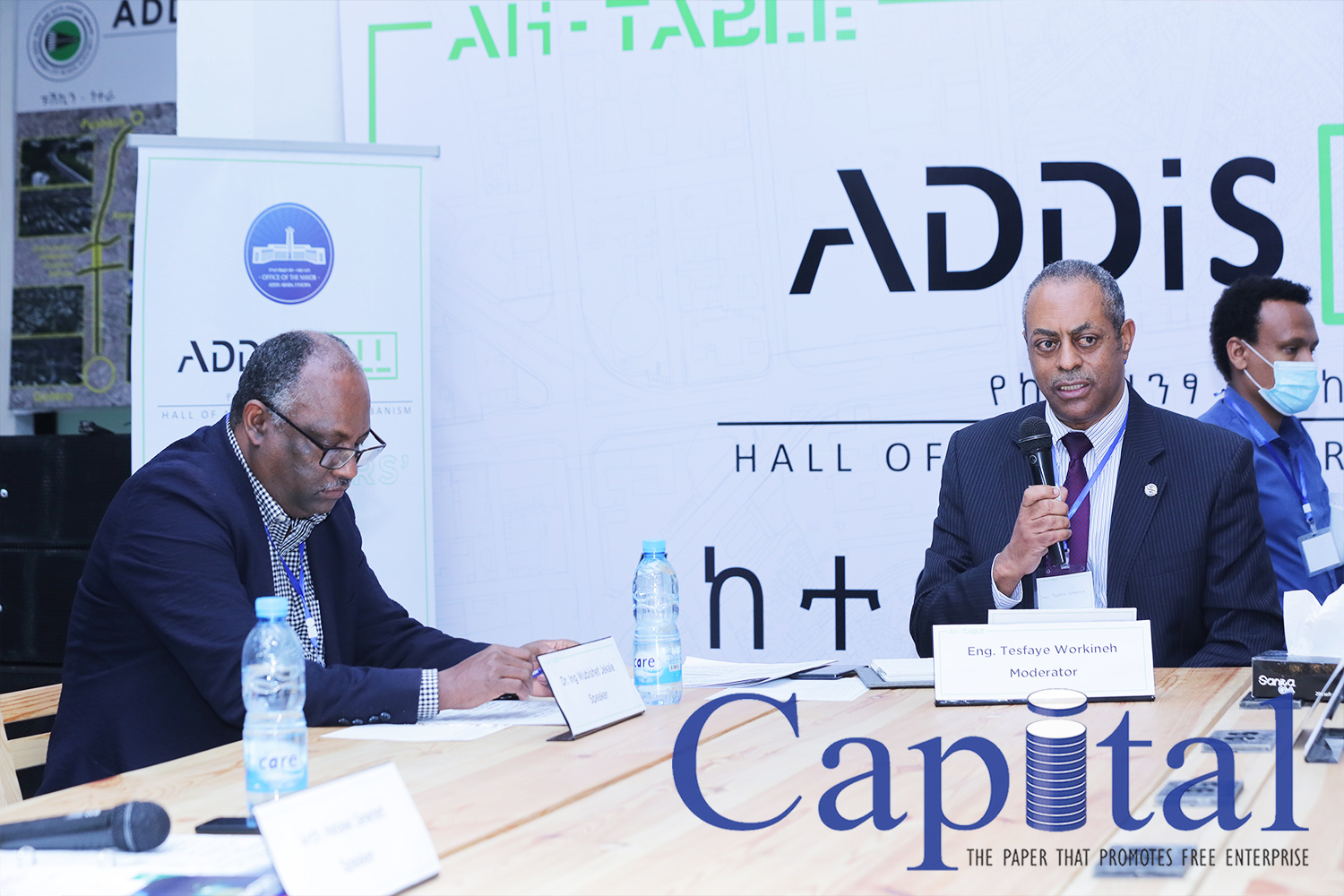
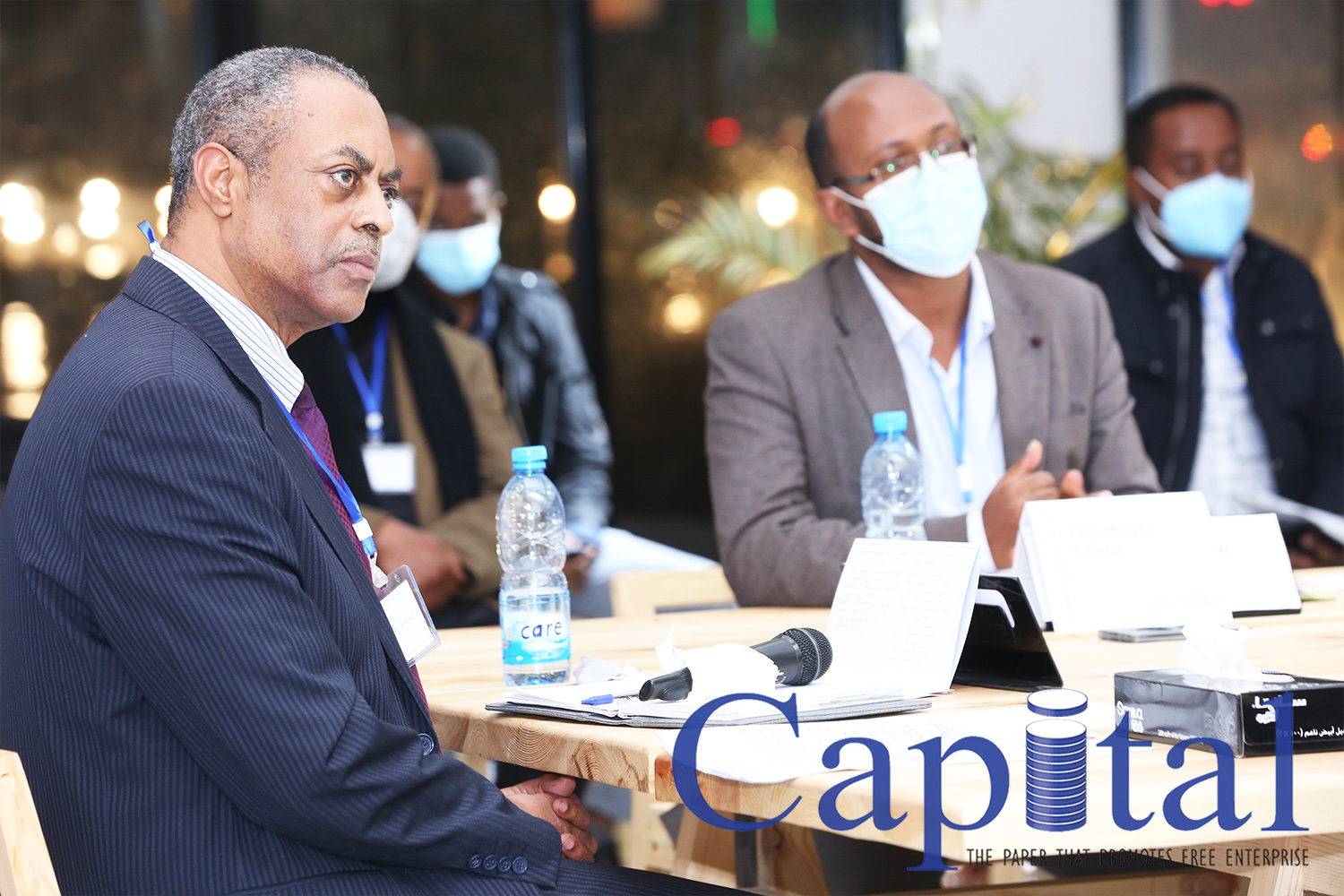
Addis Hall Table: Coordination, integration the way forward: Coordination, integration the way forward
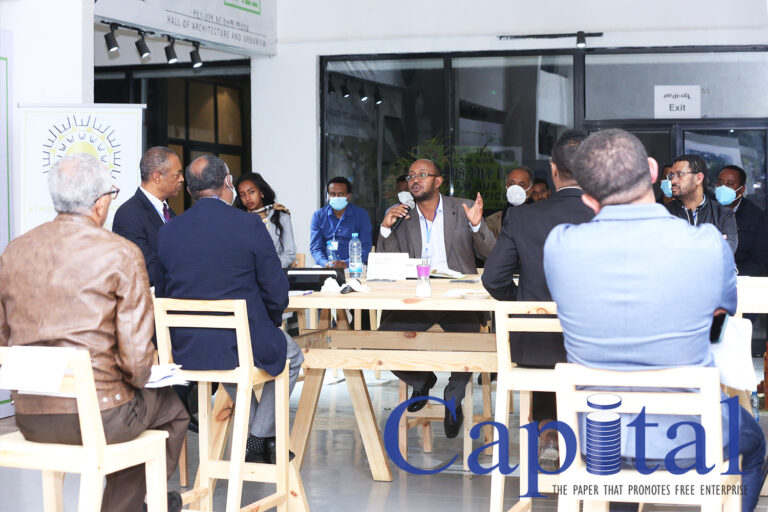
Experts at the Ethiopian Association of Civil Engineers (EACE) said coordination and integration on planning and implementation is crucial for projects implemented in Addis Ababa.
The city administration announced that integration regulation has been endorsed to save cost and time.
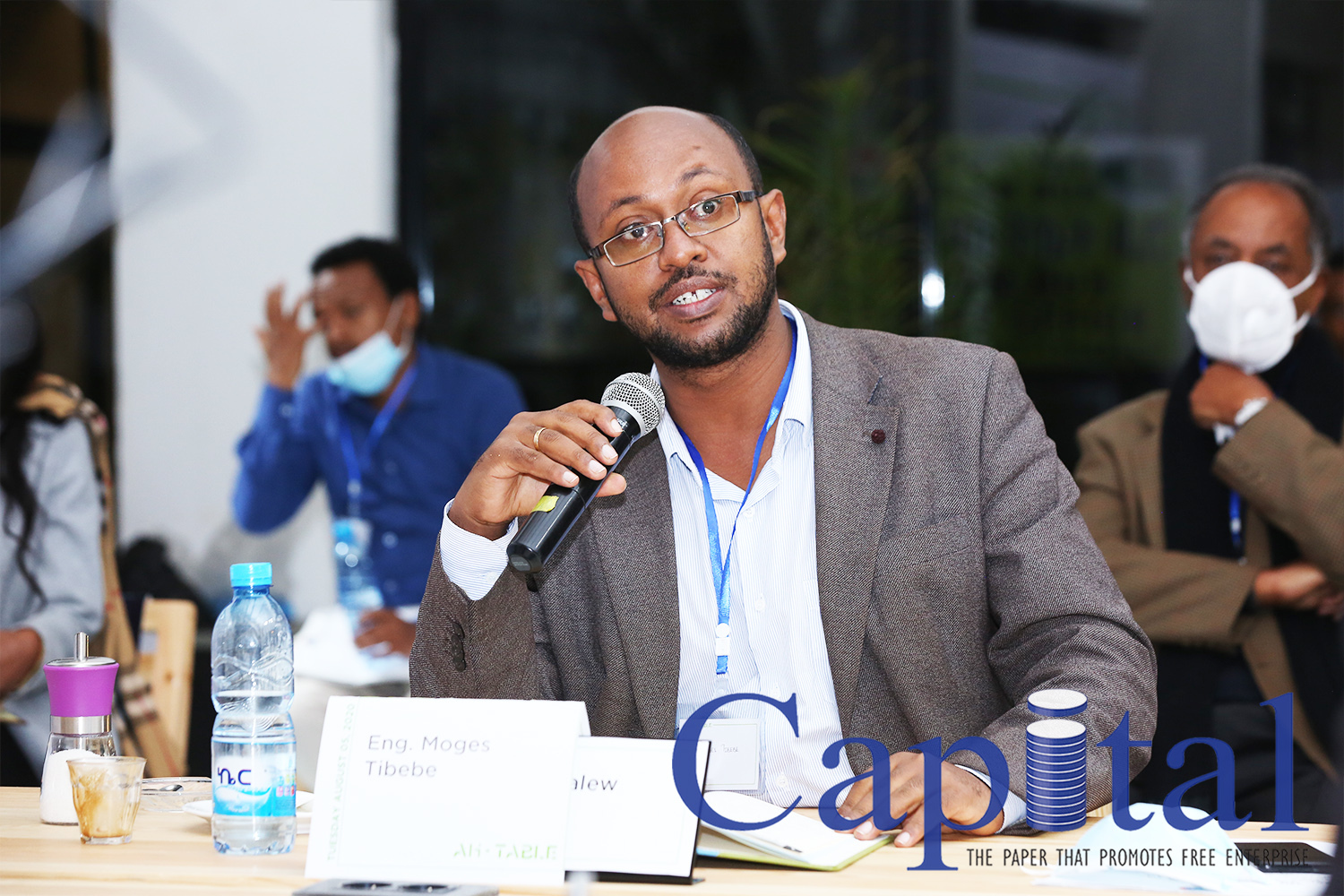
During an event dubbed ‘Addis Hall Table’ dialogue forum organized by the city administration in collaboration with EACE experts in the civil engineering and relevant offices from Addis Ababa City Administration discussed how projects should be implemented in coordination with all stakeholders.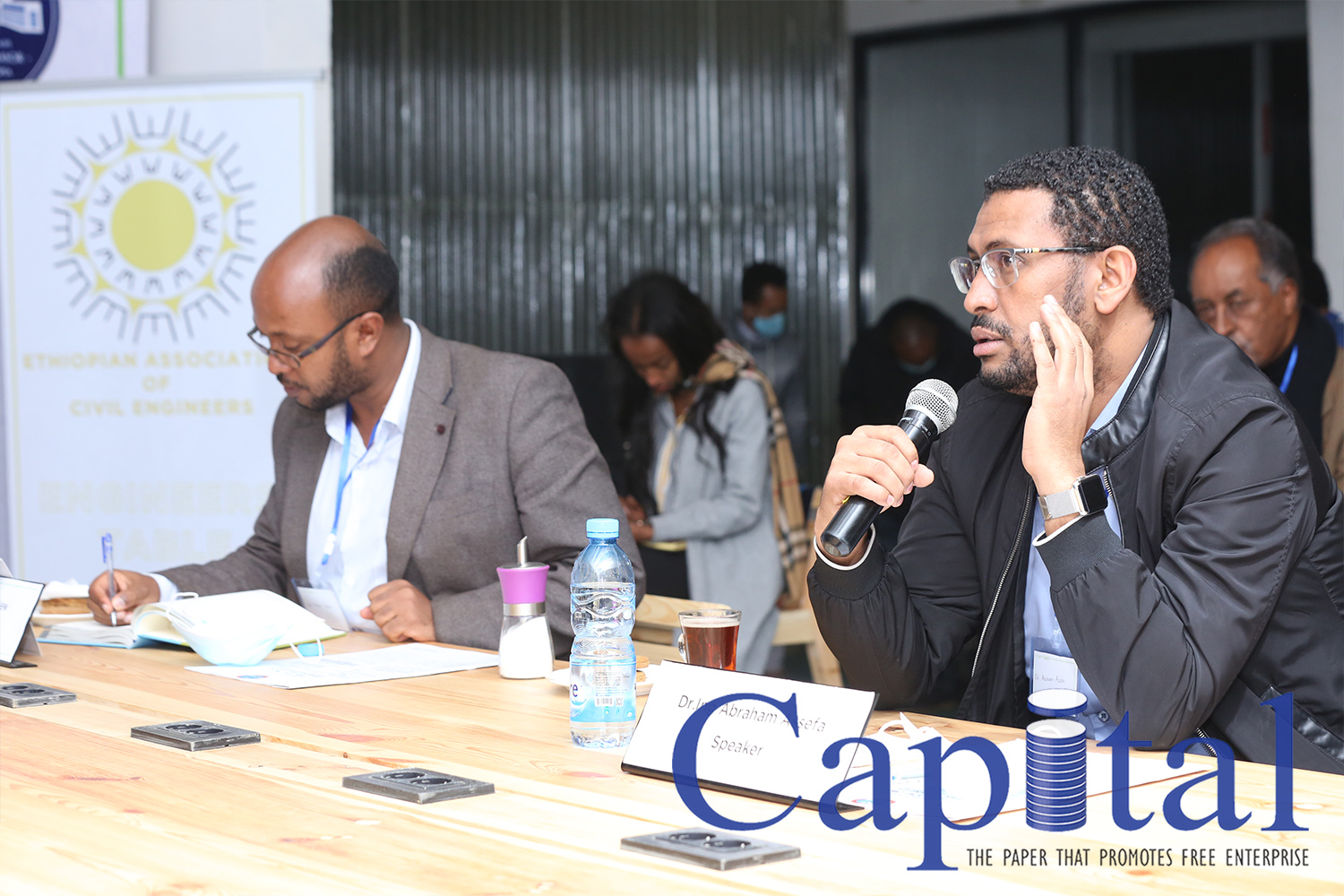
Helawi Sewnet, Director General at Addis Ababa City Infrastructure Coordination, Building Permit and Control Authority said that the city administration has endorsed a regulation to implement coordination on developmental projects in the city.
He said that the law shows that how the city administration understands to change the previous trend and improve accomplishments without unnecessary expenses and destroy other facilities when another project is being developed.
Wubshet Jekale, General Manager at Jekale CM Consultancy gives example how coordination can be done. He said that coordinated and swift maintenance when utility developers damages roads is crucial.
To continue the status of the city as livable and competitive the infrastructure should be developed properly, according to Abraham Assefa, lecturer at Addis Ababa University.
“Currently we are focusing on hard infrastructure and now addressing public space has got the attention of the city administration, which is developing parks in different corners of the city,” he said.
Social or soft infrastructure is the other component that is supposed to be addressed, Abraham says, “currently we observed that any city in the country is strongly functional when the social infrastructure is implemented.”
He said that besides the bureaucracy complete health and education facilities are included in the social infrastructure.
He added that safety is the other area that should be included in the city infrastructure system.
Infrastructures; sewerage, road, electric, water and telecom systems are the sectors that are stated should be integrated on project planning and implantation.
According to experts at the dialogue, understanding the reality is crucial besides planning on the way to integrate infrastructure projects. “Research, practice and professional combined input that evaluated in detail are critical for the integration,” they said.
“We need decision support models, for instance evaluate the life span of the infrastructure at the design stage to understand and evaluate lifecycle cost of any project,” Abraham says adding “it is crucial to allow for better integration.”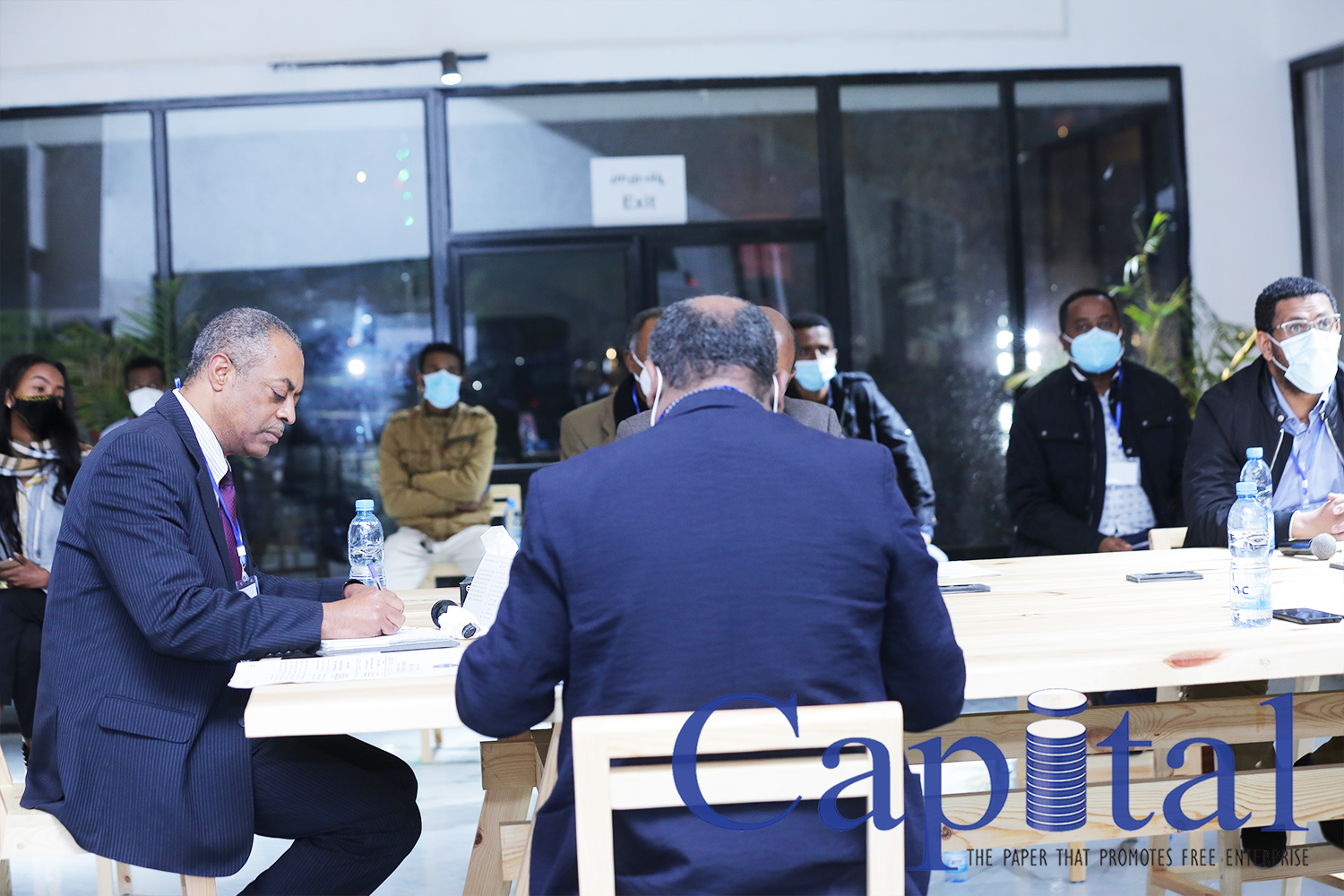
Connecting the infrastructure with information technology is also stated as a required area for quality management besides integration.
Moges Tibebu, head of Addis Ababa Roads Authority, said that with the support of the World Bank the city is working a web based transport infrastructure asset management system that includes information and designed of all infrastructure projects and will be finalized in this coming Ethiopian year.
Under the regulation infrastructure coordination authority is formed that will measure public officials who abuse the integration.
Tesfaye Workineh, President EACE and who chaired the dialogue, said that the dialogue and the outcome will be submitted for the relevant government body to incorporate it in their plans.
With its 134 year history 10 master plans were implemented in Addis Ababa.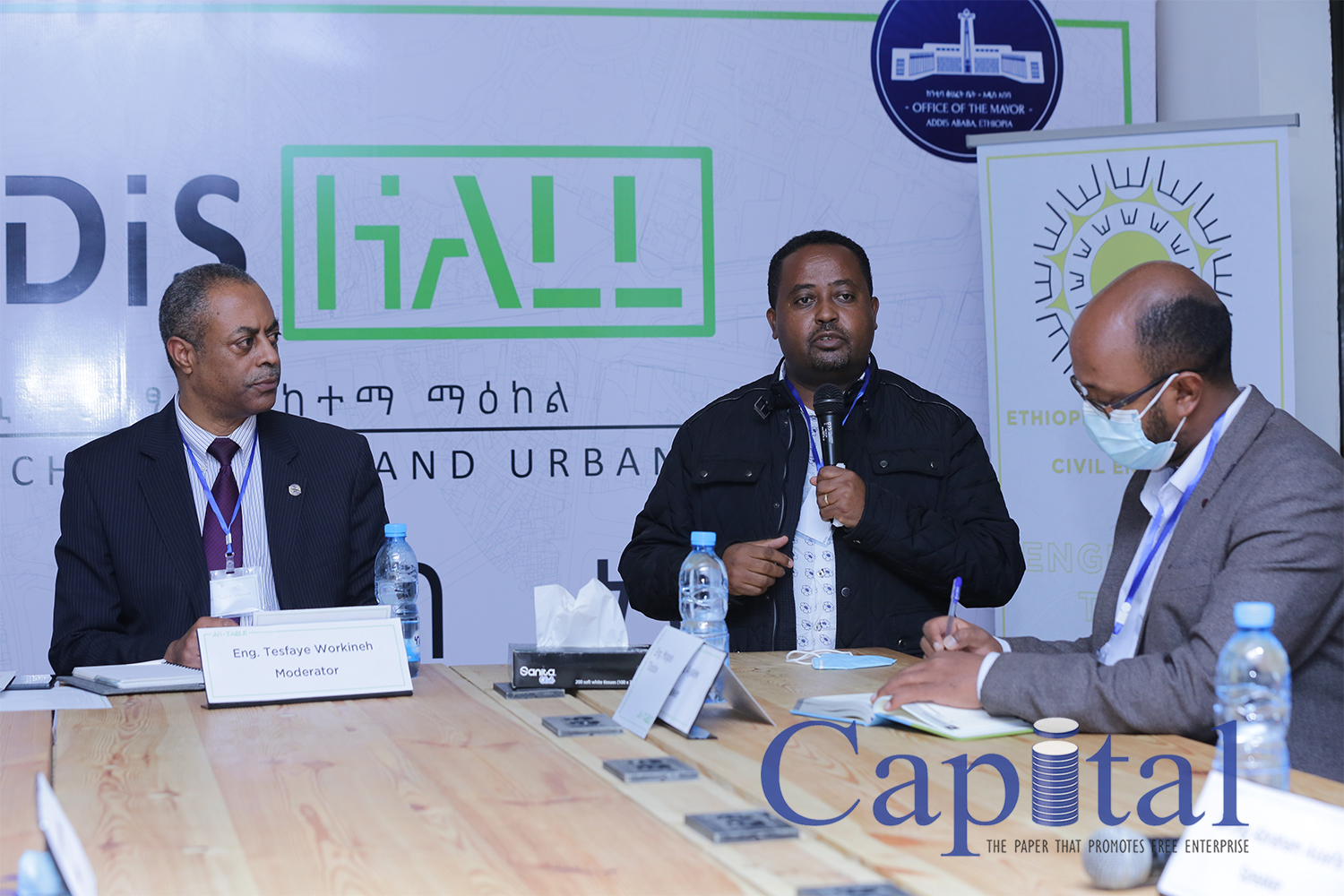
City administration to issue title deeds to farmers around the city
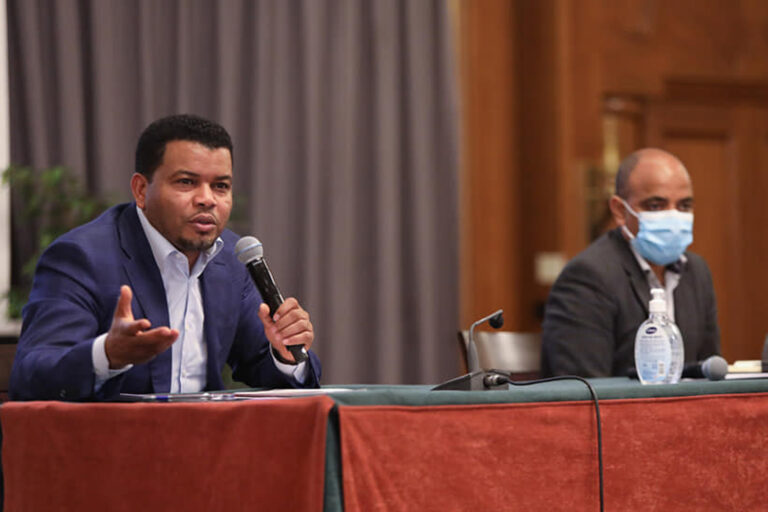
Addis Ababa City Administration has announced the commencement of Land Audit and Registration scheme in a bid to tackle land grab.
The Deputy Mayor of Addis Ababa City Administration, Takele Uma has told city officials to take immediate action in granting farmers, who owns farming lands in the city’s surrounding areas, with a legally binding land title deed.
The city Administration will give title deeds to lands owned by farmers after they are registered because they are prone to be affected by land grab. The land audit and registration drive will be backed by technological advancements in partnership with Ministry of Science and Innovation, according to Mayor’s Office.
The Deputy Mayor urged Sub-City officials to begin issuing title deeds to farmers as of Monday, August 10. Furthermore, he said that he wanted to see each of the respective sub-city official’s announce immediately the commencement of issuing a title deed. The registration of lands owned by farmers will be completed till October 10, 2020.
In related development the Addis Ababa city administration generated 35.12 billion birr revenue from tax and other activities in the 2019/20 budget year. As the report of the city administration to the council indicates the figure has shown a 7 percent decline from the target which was 37.6 billion birr.
As shown on the report the income was generated from direct and indirect income tax and municipality fees.
The city administration collected 25.93 billion birr from direct tax and 8.3 billion birr from indirect tax and 541.8 million birr from municipality fees.
ECX vying for future trading scheme
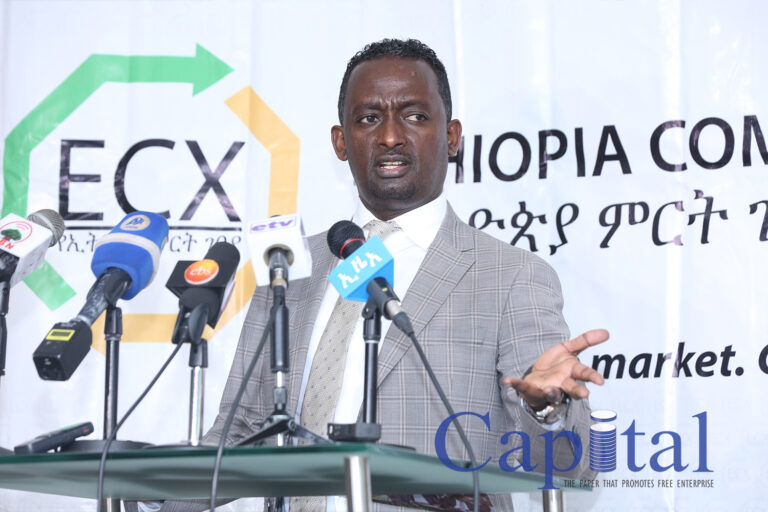
The Ethiopian Commodity Exchange (ECX), an electronic trade platform, states that it will conclude a study for future and forward trading scheme.
The 12 year old trading floor that concludes a successful year in the past budget year said that it has finalized a study for future trading schemes that will be an optional for the current spot contracts trading.
Wondimagegnehu Negera, CEO of ECX, said that the exchange will conclude the study on ways how to commence the scheme.
Since the formation of the modern trading ECX, which is considered exemplary and the first of such kind of trading in Africa, has been engaged in spot trading, while it has undertaken several studies to potentially launch futures trading which is common in most commodity exchanges in other countries.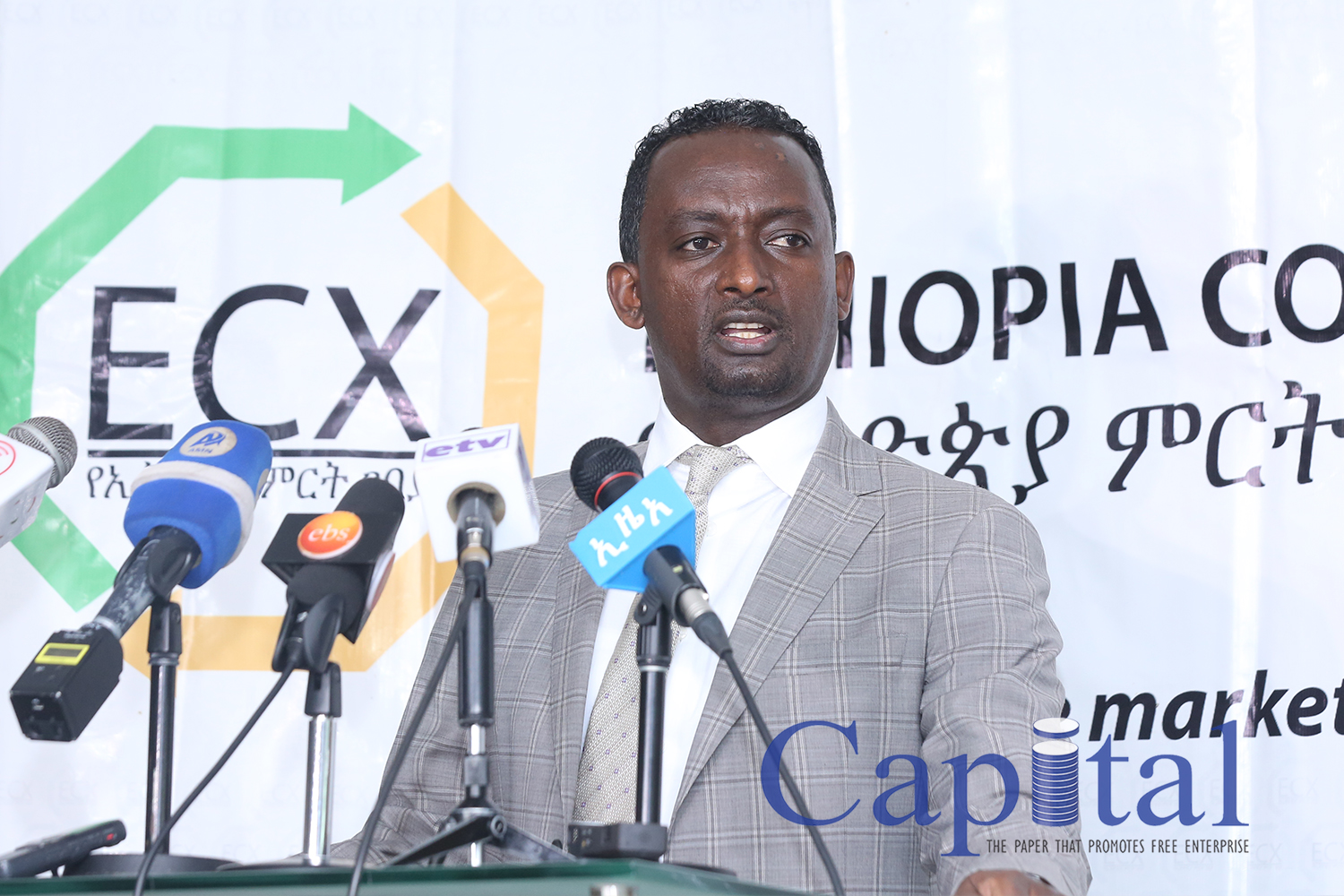
For instance in its 10th year celebration ECX stated that the two trading contracts will be its future strategy that will be introduced at the commodity market.
At the press conference the CEO indicated that third generation trading software development is set to be achieved as a strategy to accelerate the end to end service for this budget year. “The scheme will improve the end to end integration from the initial clearing house stage to settlement,” the CEO said.
The third generation technology also has a role for the commencement of the trading of future and forward contracts.
“We will have central depository that may help for the coming stock market with the support of strong clearing house,” Wondimagegnehu said.
Netsanet Tesfaye, Public Relations Head at ECX, told Capital that the launching of future and forward contracts will be determined by the government’s policy.
“As per our strategy we are interested to commence as soon as possible but it has also third party involvement,” he says adding “at the same time the study may also imply the timeframe when the trading will be started.”
At the just ended trading year ECX, which exclusively facilitate the trading for five export commodities, have achieved its projection.
For the 2019/20 year it has facilitated a trading of close to 762 thousand metric tons of products that are worth 40 billion birr.
“We have achieved 99 and 113 percent of our target in terms of volume and value respectively,” the CEO said.
From the total volume of coffee, the biggest export earnings commodity, took 40 percent followed by sesame seeds that have 34.4 percent shares.
In the year more than 308 thousand metric tons of coffee has been traded with 10 percent over from the target and 18 percent high in value compared with the expected target.
At the same time the performance of sesame seeds met its target, while green mung bean volume traded at the floor met 164 percent of the target.
For the current budget year ECX targeted to include red speckled beans/pinto beans, white pigeon pea and cotton. It targeted to receive 784 thousand metric tons of commodity at its warehouses located in different corners of the country.
Special trading window for local industries that are using soybean and sesame seeds as raw material will also be introduced in the year.
