Friday, April 10, 2026
Home Blog Page 479

Textile and garment sector faces policy gaps, urgent calls for minimum wage reform

0

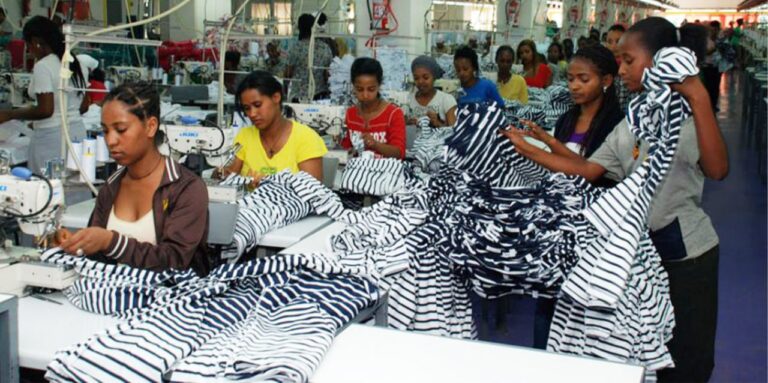
Ethiopia’s textile and garment industry, a cornerstone of the country’s industrialization ambitions, is grappling with critical policy shortcomings and an urgent demand for the introduction of a national minimum wage. Industry experts, labor advocates, and business leaders are warning that unless these issues are addressed, the sector’s growth and global competitiveness could be at risk.

A recent roundtable organized by the Forum for Social Studies (FSS) brought together stakeholders who unanimously pointed to the government’s delayed response in tackling the acute shortage of skilled labor in the sector. According to Dr. Tolera Aderie, former executive member of the Ethiopian Textile and Apparel National Association, the number of skilled workers entering the industry has dropped alarmingly in recent years. Research attributes this decline to the sector’s eroding professional prestige and a widespread tendency among employers to hire low-skilled, lower-paid workers.

This approach, experts warn, undermines efforts to build a competent workforce and threatens the sector’s sustainable growth. “Employers’ focus on cheap, unskilled labor may offer short-term savings, but it is detrimental to long-term productivity and the industry’s reputation,” said Dr. Tolera.

The absence of a statutory minimum wage has emerged as a major concern. Tesfaye Abdisa, President of the Ethiopian Textile Federation, is among those calling for immediate action. “The government’s continued delay in setting minimum wage limits is harming both workers and the sector as a whole,” Tesfaye emphasized. Factory managers in key production hubs such as Hawassa, Bole Lemi, and Kombolcha have echoed these concerns, stating that the lack of legal wage floors makes it difficult to manage their workforce and retain skilled employees.

A 2023 FSS study highlighted the detrimental effects of poor wage conditions, especially for female workers in industrial parks and small- and medium-sized enterprises (SMEs). The research, which drew on extensive interviews with government officials, factory managers, and workers, underscored the urgent need for statutory wage protections to safeguard workers’ rights and welfare.

The sector’s challenges are further compounded by high labor turnover and absenteeism rates. Studies have found annual turnover rates in some industrial parks can reach up to 100%, with absenteeism as high as 10% per month. The International Labour Organization (ILO) reports that the average monthly wage in Ethiopia’s textile and garment sector is just 3,000 birr (about $52), among the lowest globally. Nearly half of workers in foreign-owned garment factories have left their jobs due to inadequate pay, signaling widespread frustration and instability.

Despite the government’s efforts to attract investment and create jobs through the establishment of 13 specialized industrial parks, policy gaps around wages and workforce development continue to cast a shadow over the sector’s future. Outdated vocational education and training (TVET) curricula, a lack of industry-relevant skills, and insufficient investment in training centers have left the sector struggling to meet the demands of modern, technology-driven manufacturing.

The government’s ambitious goal to create 350,000 jobs in the textile industry by 2025 is at risk unless comprehensive reforms are enacted. Industry leaders and labor advocates are now urging policymakers to prioritize the establishment of a fair and enforceable minimum wage, update skills training programs, and strengthen protections for workers.
Startups struggle to attract investors despite government initiatives

0

The Ministry of Industry has acknowledged that Ethiopia’s young entrepreneurs and innovative startups are struggling to secure investment partners, despite growing government efforts to foster a vibrant startup ecosystem.

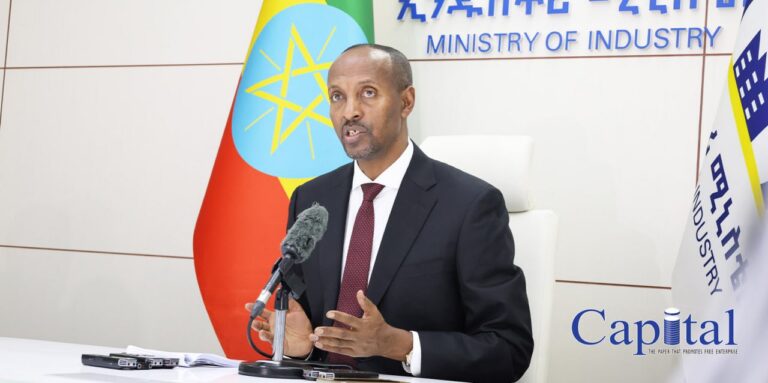
Minister of Industry Melaku Alebel made the remarks ahead of this year’s Ethiopian Product Expo, emphasizing that while the government is working to create opportunities for startups, many still face significant barriers in connecting with investors who can help scale their ideas into profitable ventures.

The challenge is not new. Ethiopia’s startup sector has long grappled with limited funding opportunities, an underdeveloped investment culture, and regulatory complexities. Recent studies highlight that early-stage investment remains sparse, with inconsistent funding for both seed and growth-stage startups. Only a handful of Ethiopian startups have attracted substantial capital, and most entrepreneurs cite a lack of access to investors as a primary constraint.

To address these issues, the government has introduced a draft “Startup Ecosystem Development Policy,” aiming to provide a comprehensive framework to support startups from inception to market expansion. The policy identifies key challenges, including the absence of clear definitions for startups, limited access to skilled talent, and regulatory hurdles. However, it also notes strengths such as a young, entrepreneurial population and increasing support from international partners.

At the upcoming Ethiopian Product Expo, over 288 participants-including 161 high-end manufacturers and 100 small and medium enterprises-will showcase their products, with more than 120,000 visitors expected. The minister expressed hope that the expo will facilitate over 6,000 business transactions worth more than 4 billion birr, potentially opening new avenues for startup investment.

Cyber Threats escalate in East Africa, Ethiopia strengthens defenses

0

East Africa is experiencing a dramatic escalation in cyber threats, with Ethiopia and its neighbors witnessing a surge in sophisticated distributed denial-of-service (DDoS) attacks targeting critical sectors. The latest data from NETSCOUT’s 2H 2024 Threat Intelligence Report reveals that no country or industry in the region is immune, as cybercriminals deploy increasingly complex tactics to disrupt digital infrastructure and exploit vulnerabilities.

Between June and December 2024, East African nations-including Kenya, Uganda, Tanzania, Seychelles, Djibouti, Ethiopia, and Rwanda-faced a relentless wave of DDoS attacks. The region was part of the 3.78 million incidents recorded across Europe, the Middle East, and Africa during this period, with global DDoS activity rising 12.75% to over 8.9 million attacks.

Kenya recorded the highest number of attacks in East Africa, with 34,687 incidents, though this was a decrease from the 57,319 attacks in the first half of 2024. Uganda saw a sharp rise, with attacks jumping from 1,564 to 6,145, primarily targeting the wireless telecommunications sector. Djibouti experienced the longest-lasting attacks in the region, averaging 271 minutes per incident.

Ethiopia experienced 107 DDoS attacks in the second half of 2024, matching the number from the first half of the year. The most significant attack peaked at 12.18 Gbps and 1.18 million packets per second, with the majority of incidents targeting wireless telecommunications providers through DNS Amplification and UDP-based flood techniques. While the attack volume is lower than in some neighboring countries, the persistent targeting of Ethiopia’s digital infrastructure underscores the nation’s growing vulnerability as its digital economy expands.

In response, Ethiopia has intensified its cybersecurity efforts. The Information Network Security Administration (INSA) reported thwarting approximately 8,854 attempted cyberattacks during the 2023/24 fiscal year, up from 6,959 the previous year. INSA has launched public awareness campaigns, enhanced legal frameworks, and invested in human resources and technology to protect vital sectors such as finance, healthcare, and government services.

INSA Director General Tigist Hamid emphasized the urgency of these measures: “Data theft has become a daily concern and INSA is ramping up its efforts to address the rising number of cyber threats. This initiative aims to strengthen cybersecurity and protect the nation’s sovereignty”.

The threat landscape is evolving rapidly. Attackers are leveraging enterprise-grade servers, AI-driven automation, and proxy networks to conduct multi-vector attacks that are harder to detect and mitigate. The most common attack methods in Ethiopia include DNS Amplification and UDP floods, but the region as a whole is witnessing a broader variety of vectors and higher levels of complexity.

Experts warn that as digital transformation accelerates across East Africa, the risk of cyberattacks will only grow. Bryan Hamman, regional director for Africa at NETSCOUT, noted, “As attack volumes fluctuate and complexity increases, no sector can afford to be complacent. Proactive defense strategies, underpinned by real-time visibility and intelligent threat mitigation, are essential to safeguarding critical infrastructure”.

The Shadow of Disinformation: A Call to Action in Ethiopia

0

In our increasingly interconnected world, the digital landscape presents a double-edged sword. While it offers unprecedented opportunities for communication and knowledge sharing, it also serves as a breeding ground for disinformation and hate speech, casting a long shadow over our societies. This insidious issue reaches far beyond the glow of screens, affecting those who may never use a computer. It fuels real-world divisions, ignites conflicts, exacerbates existing tensions, perpetuates cycles of political polarization and tribalism, and deepens societal fractures. Additionally, it normalizes gender-based harassment, transforming what should be unthinkable into a grim reality. In Ethiopia, as in many nations, we witness the daily toll of this digital scourge: the erosion of trust, the fracturing of communities, the silencing of voices, and the undermining of our collective progress.

The urgent need for intervention is clear. We must act now to protect the very fabric of our society from this corrosive influence. Collective action is essential, involving government, civil society, educational institutions, and individuals. We must be prepared to respond to this call to arms with knowledge and determination.

Amidst this alarming situation, there is movement and hope. One promising initiative is The Africa Fact-Checking Fellowship – Ethiopia (AFF-ETH), which aims to equip citizens with the skills to identify and counter false information on social media. This fellowship program, part of the #defyhatenow Ethiopia project, is coordinated by the rOg agency based in Germany in partnership with Positive Peace Ethiopia (PPE), with funding from the European Union. Its goal is to develop a network of scholars who are knowledgeable and willing to engage in fact-checking.

The program consists of a three-month training course where participants—including youth, women, content creators, journalists, and thought leaders—are trained in small groups (cohorts) through a blended format of online and offline sessions. The first cohort, which included 15 participants from diverse backgrounds in the Oromia region, completed 19 sessions in Shashemene city and online.

The program’s transformative impact is exemplified by Shewit Hirpho, an alumna with a background in education and women’s empowerment. “Before the fellowship, I was overwhelmed by the flood of fake news and misinformation,” she shared. “Now I have the ability to defend myself and help my community counteract this damaging information disorder.”

Encouraged by this success, the second cohort began on March 1, 2025, and is currently training 15 more disinformation fighters in the Tigray region. The initiative also features a radio show on Shashemene FM to reach even more listeners with accurate information.

“Education is a powerful weapon in this fight,” says Naol Getachew, a training coordinator and Lead Trainer. “It is the strongest tool we have to combat hate speech and misinformation. We have only just begun our journey, and while it will be long, our goal is to reach as many people as possible.”

Bruk Mezgebu, the country project manager for #defyhatenow Ethiopia, outlines the project’s objective: “We are committed to fostering a healthier online community by mobilizing civic and digital action against hate speech, bridging the knowledge gap between tech-savvy and non-tech-savvy citizens, and promoting responsible social media use.”

While the challenge of disinformation is significant, it is not insurmountable. By equipping citizens with the tools to distinguish fact from falsehood, initiatives like AFF-ETH are helping to create a more informed and resilient society. This is a call to action for all Ethiopians to become guardians of the truth, to critically examine information, and to contribute to a digital landscape that fosters harmony and peace.