Saturday, April 4, 2026
Home Blog Page 657

Millers for Nutrition Initiative launches efforts to combat malnutrition

0

By Eyasu Zekarias

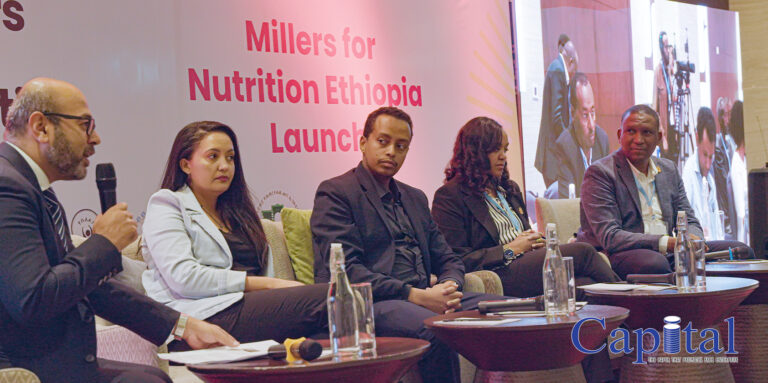
The Millers for Nutrition Initiative has officially launched its operations in Ethiopia, partnering with the charity TechnoServe to tackle the pressing issue of malnutrition in the country. This collaboration marks a significant step forward in the ongoing fight against malnutrition, bringing together key players from both the private and public sectors to improve the health of millions of Ethiopians.

Ethiopia has been proactive in addressing malnutrition through legislative measures. On August 31, 2024, the Ministry of Industry introduced a mandatory national food fortification program, a pivotal development in the country’s nutrition policy. This program mandates the fortification of essential foods, including cooking oil, wheat flour, and salt, for both locally produced and imported products. Notably, Ethiopia has already achieved impressive results with mandatory salt iodization since 2011, reaching 97% population coverage.

The newly launched initiative aims to further reduce malnutrition by enriching wheat flour producers and edible oil factories with essential vitamins. Eyakem Amsalu, the program manager for Ethiopia at Millers for Nutrition, highlighted the organization’s accomplishments over the past year, stating that they have provided technical assistance to 140 factories and training for an additional 40 factories.

The economic implications of malnutrition are significant; Ethiopia reportedly spends approximately 16.5% of its annual GDP on addressing malnutrition-related issues. The Millers for Nutrition Initiative aims to mitigate these costs by enhancing everyday food ingredients with vital nutrients.

Millers for Nutrition operates in eight countries across Africa and Asia, including Bangladesh, India, Indonesia, Kenya, Nigeria, Pakistan, Tanzania, and now Ethiopia. This extensive network underscores the initiative’s commitment to improving nutritional standards globally.
Financial sector requires specialized experts for capital market success

0

By Eyasu Zekarias

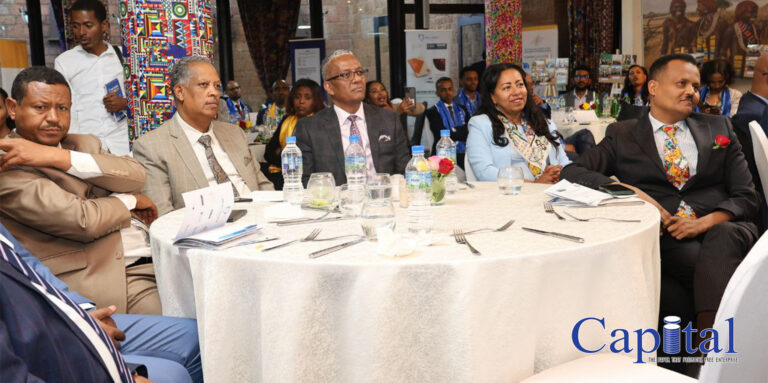
Ethiopia’s financial sector is in urgent need of professionals with specialized expertise to ensure the successful development of its capital market. Bruh Finance has recently celebrated the graduation of its first cohort of Level 3 Chartered Institute for Securities & Investment (CISI) Capital Markets – Securities students, marking a significant achievement for both the graduates and the emerging capital market in Ethiopia.

The graduates represent a new wave of professionals poised to influence the future of Ethiopia’s economy. Getachew Beshahwred, CEO of Bruh Finance, emphasized that this graduation is merely the beginning of their journey. He highlighted that obtaining the CISI Level 3 Securities qualification is just the first step, urging graduates to pursue advanced qualifications to build a skilled workforce essential for driving the success of Ethiopia’s capital markets.

Getachew noted that Ethiopia’s financial sector requires more professionals with specialized knowledge to effectively navigate and develop its capital markets. Bruh Finance, based in Addis Ababa, is dedicated to providing ongoing training and development opportunities to ensure that these new professionals are equipped with the necessary skills.

As a leading financial services firm specializing in training and consultancy in capital markets, asset management, insurance, and financial development, Bruh Finance is committed to fostering a culture of continuous learning. The organization aims to support the professional growth of its graduates as they embark on their careers in Ethiopia’s evolving financial landscape.

Addis Ababa City Administration to Fund Gerbi Drinking Water Dam Project

0

By Eyasu Zekarias

The Addis Ababa City Administration has decided to proceed with the construction of the Gerbi Drinking Water Dam using its own budget, following delays in loan disbursement from China Exim Bank. Originally planned for development in 2016, the project faced setbacks due to the non-release of funds, prompting city officials to take matters into their own hands.

The Gerbi Dam is expected to be the third component of the city’s drinking water supply system, with a planned capacity to produce over 73,000 cubic meters of water per day. A prior study indicated that successful implementation of this project would meet the city’s water needs for up to 20 years without issues.

However, the project, which is estimated to cost around 3 billion birr, has not yet been initiated due to various challenges. City officials noted that a revision of the initial study was necessary, and a new procedural framework has been established to facilitate the project’s implementation.

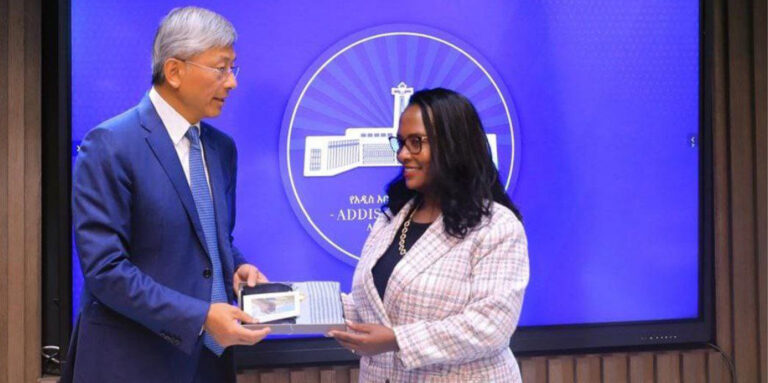
During a recent meeting attended by Chen Hai, China’s Ambassador to Ethiopia, and representatives from CGCOC Group, Addis Ababa Mayor Adanech Abiebie discussed strategies for accelerating the construction of the Gerbi dam. “We have reached an agreement with the Chinese Embassy and CGCOC Group to fund this project through the city administration’s budget,” she stated. This collaboration aims to harmonize water demand and supply within the city.

The project will be overseen by the Addis Ababa Water and Sewerage Authority Project Office and includes not only the construction of the dam but also a treatment plant and water distribution lines, ensuring improved access to drinking water for residents.

Urgent humanitarian crises in Ethiopia demand global attention: IRC Report

0

By our staff reporter

Ethiopia is facing one of the most severe humanitarian crises in its history, exacerbated by ongoing conflicts, climate change, and economic instability. With millions in desperate need of assistance, the situation demands urgent attention from the international community.

According to the Emergency Watchlist report by the International Rescue Committee’s (IRC) that asses 20 countries at greatest risk of new humanitarian emergencies each year, over 15 million Ethiopians are currently experiencing acute food insecurity. The conflict in the northern Tigray region, which began in 2020, has led to widespread displacement and destruction of livelihoods. Many families, once self-sufficient, now rely on humanitarian aid to survive.

The country is also grappling with the effects of climate change, which has intensified droughts and floods, further complicating the already dire situation. In 2024 alone, nearly 5 million people were displaced due to climate-related disasters, and agricultural productivity has plummeted, leaving communities vulnerable to famine.

Women and children are particularly affected by the crisis. The report indicate a surge in gender-based violence, as conflicts disrupt social structures and leave women and girls exposed to further risks. Access to education has also been compromised, with many schools destroyed or repurposed for military use, leaving children without a safe place to learn.

Despite the overwhelming need, humanitarian funding remains insufficient. IRC has warned that Ethiopia accounts for a significant portion of global humanitarian needs, yet it receives only a fraction of the necessary support. In 2025, the IRC aims to expand its efforts in Ethiopia, focusing on delivering food, health services, and protection for the most vulnerable.

Sudan is similarly facing a catastrophic humanitarian crisis, with over 11 million people in need of assistance. The ongoing conflict that erupted in 2023 has resulted in widespread violence, displacement, and a breakdown of essential services. The report indicate that Sudan accounts for approximately 10% of all people globally in humanitarian need, despite having less than 1% of the world’s population.

The conflict has led to severe food shortages, with millions facing acute malnutrition. The situation is compounded by economic instability and the impact of climate change, as floods and droughts disrupt agricultural production.

Other countries in Africa are also topping the humanitarian crisis list. South Sudan, with ongoing violence and economic collapse, has over 8 million people in need of assistance. In Somalia, persistent drought and conflict have pushed 7 million people into crisis-level food insecurity. The humanitarian situation in the Central African Republic and the Democratic Republic of the Congo remains dire, with millions facing displacement and violence.