Tuesday, November 24, 2026
Home Blog Page 736

“Creativity on the Brink? Why Ethiopia Must Act Now to Save Its Creative Future”

0

The rhythms of Ethiopia’s creative pulse beat loud in its music, films, fashion, and visual arts. Yet, behind the vibrant expressions lies a troubling silence  –   one of neglect, underinvestment, and unfulfilled potential. –

Initiative Africa (IA), the long-standing civil society organization renowned for promoting social change through the arts, has pulled back the curtain with a recent groundbreaking survey on Ethiopia’s creative industries. The findings are both urgent and revealing.

“We wanted to go beyond anecdotes,” says Daniel Samuel, IA’s Programs Officer and lead researcher. “This study asked creatives themselves  –   what’s holding you back? The answers were louder than we expected.”

And what they heard was a chorus of obstacles: lack of funding, weak networks, piracy, limited market access, outdated equipment, and poor recognition of the sector’s economic contribution. In contrast to booming creative economies in Nigeria and South Africa  –   where film, music, and design are treated as strategic industries  –   Ethiopia remains years behind.

Daniel puts it bluntly:

“In Nigeria, the creative industry contributes over 2.3% to GDP and employs millions. In South Africa, it’s a policy priority. Here? We’re still asking whether it even counts.”

Yet Ethiopia’s creative sector, often informal and fragmented, has been a quiet engine of resilience  –   creating jobs, preserving heritage, and offering a mirror to society. The survey confirms this: over 60% of respondents reported self-employment in creative fields, while others generate part-time income from performances, exhibitions, or digital content.

Despite the odds, creatives persist. IA knows this better than most. Through its flagship program  –   the Addis International Film Festival (AIFF)  –   IA has become a beacon for documentary filmmaking in the region. Since its launch in 2007, AIFF has screened over 400 films, mentored emerging Ethiopian filmmakers, and given a voice to stories that would otherwise remain untold.

“Next year marks our 20th anniversary,” Daniel adds with pride. “And this survey will guide us on what needs to change before we enter the next chapter.”

The most cited challenge? Access to resources. From camera equipment to rehearsal space, creatives struggle to modernize. Others flagged the lack of consistent contracts, high raw material costs, weak copyright enforcement, and limited digital literacy.

But the story isn’t all grim. IA’s report also uncovered rich veins of talent, ingenuity, and entrepreneurial energy.

“What’s incredible is how much these creators do with so little,” says Daniel. “They aren’t waiting for handouts. They’re building brands, mentoring youth, launching digital platforms  –   all with limited support.”

IA believes that the right mix of policy support, investment, and visibility could unleash a creative renaissance in Ethiopia. The organization is now calling on government institutions, private sector players, and development partners to step up  –   not just with funding, but with strategy.

“This is not just about culture,” Daniel insists. “This is about jobs, exports, innovation. It’s about who we are and what future we want to build.”

With the African Continental Free Trade Area (AfCFTA) opening doors to cross-border creative exchange, Ethiopia stands at a crossroads. Will it invest in its storytellers, designers, musicians, and performers  –   or continue to watch others dominate Africa’s creative economy?

As IA prepares for the 20th edition of AIFF in 2026, the hope is that this moment becomes a turning point  –   not just for the festival, but for Ethiopia’s creative industry at large.

“Our creatives don’t need saving,” says Daniel. “They need partners.”
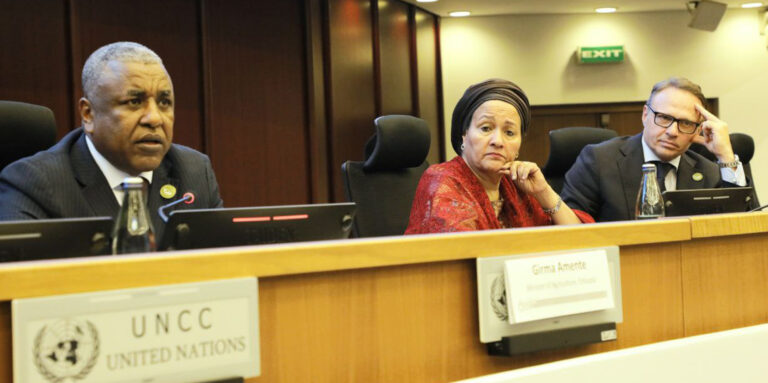
Global Food Summit urges strategic investment to secure food future

0

At the recent Second United Nations Food Systems Summit Stocktake (UNFSS+4) held in Addis Ababa, world leaders delivered a clear and urgent message: ensuring global food security requires smart, strategic investment, not mere aid or charity. Ethiopia’s Agriculture Minister Girma Amente emphasized that addressing food shortages is fundamentally about investing in our shared future.

Co-hosted by Ethiopia and Italy, the summit took place amid unprecedented crises, including climate change, geopolitical conflicts, and economic instability — factors which have severely exposed the fragility of global food systems. Girma highlighted the strong international commitment demonstrated by the presence of senior leaders and the UN Deputy Secretary-General, reaffirming the collective resolve to overcome these urgent challenges.

“The summit focused on unlocking and redirecting both public and private financing towards sustainable food systems,” Girma said. “This is not a charitable issue; it is a smart, strategic investment in our shared future.”

Italy’s Agriculture Minister, Francesco Lollobrigida, underscored the deep partnership between the two nations in advancing food security. He stressed Italy’s dedication to promoting sustainable agriculture based on its own agri-food expertise and environmentally sound farming sectors. Lollobrigida also detailed Italy’s “Mattei Plan,” a strategic framework fostering mutual, respectful cooperation with Africa, marking a departure from previous philanthropic models. “Hosting the summit in Ethiopia reflects our commitment to center Africa in this global agenda,” he added.

Representing the UN Secretary-General, Deputy Secretary-General Amina J. Mohammed acknowledged that while nations are developing programs to transform their food systems, current efforts remain insufficient. She expressed grave concern over the weaponization of hunger in conflict zones, specifically citing the humanitarian crisis in Gaza as a “man-made event” causing unjustifiable starvation. Mohammed also drew attention to the dire situation in Sudan, calling for adherence to international humanitarian law and unhindered aid access.

Despite these grave challenges, Mohammed conveyed a hopeful yet urgent call for action: “Change is not only possible; it is happening. Now is the time to step up.” The summit reinforced four key objectives: sharing progress and obstacles, strengthening inclusive multi-stakeholder accountability, mobilizing and broadening investment and finance, and sustaining momentum to achieve the Sustainable Development Goals (SDGs) by 2030.

The 2025 World Food Security and Nutrition Situation Report (SOFI), released during the summit, pointed to a slight global reduction in hunger but stressed that urgent and large-scale investments are critical to accelerate progress. Over three days of deliberations from July 27 to 29, the summit reaffirmed the necessity of transforming commitments into actionable investment strategies to realize the ambitious food security and nutrition targets embedded within the SDGs.

Addis Ababa’s historic post office transformed into vibrant creative hub for youth

0

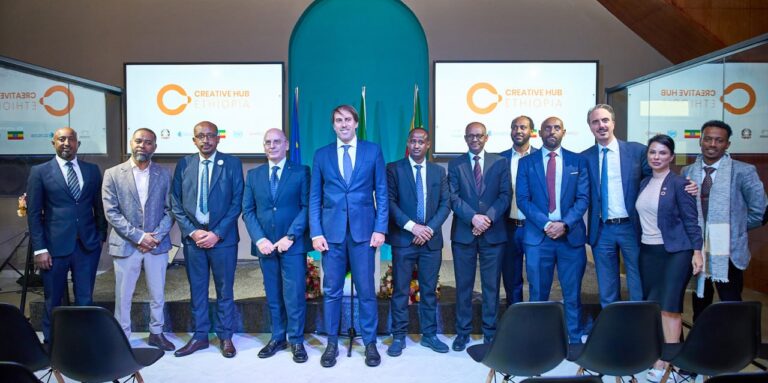
The iconic Ethio Post building, famously known as the “Arada Post Office” and situated in the bustling downtown Piazza area, has been repurposed into a dynamic creative hub aimed at fostering youth engagement and nurturing innovation. This transformation represents a meaningful fusion of the city’s rich historical heritage with aspirations for modern economic growth.

Dating back to 1900, this historic building was home to Ethiopia’s first modern post office. Now, responding to urban development needs and the search for a fresh venue, Creative Hub Ethiopia—hailing from Mexico—has taken over management of the space for the next five years to promote creative industries and activities.

The initiative is designed to boost the country’s economy by providing a dedicated platform for Ethiopia’s burgeoning youth-driven creative sector. It is the result of a collaborative effort involving several international and domestic partners, with key financial and technical support from the United Nations Industrial Development Organization (UNIDO) and the Italian Development Cooperation.

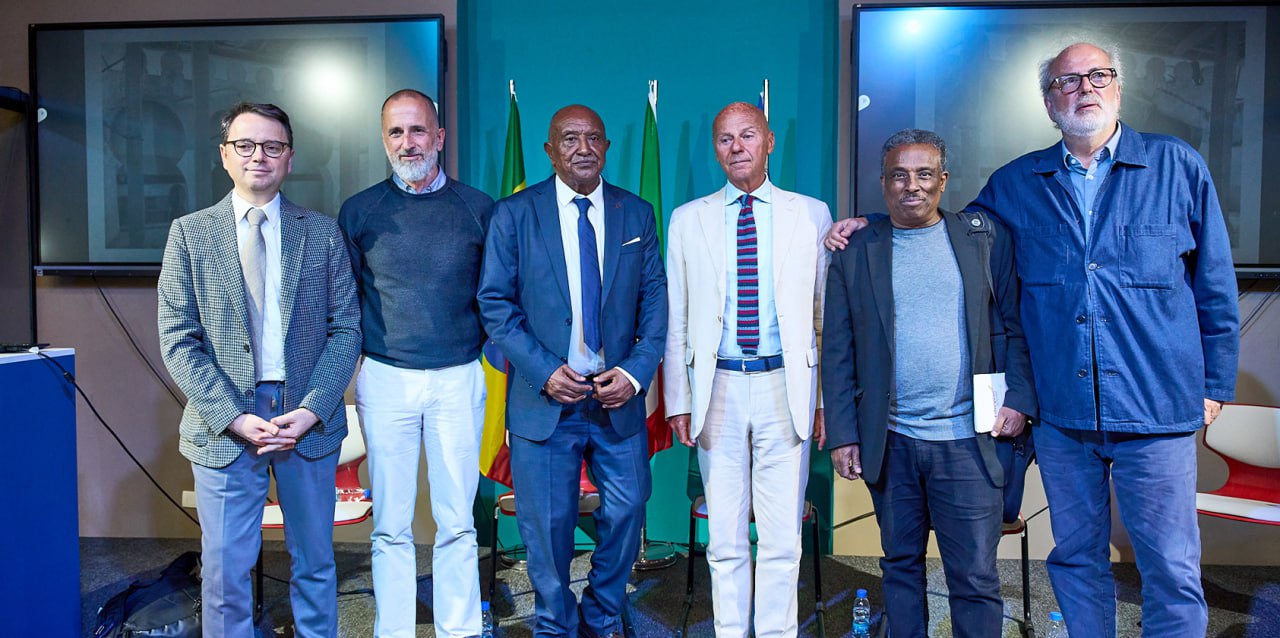
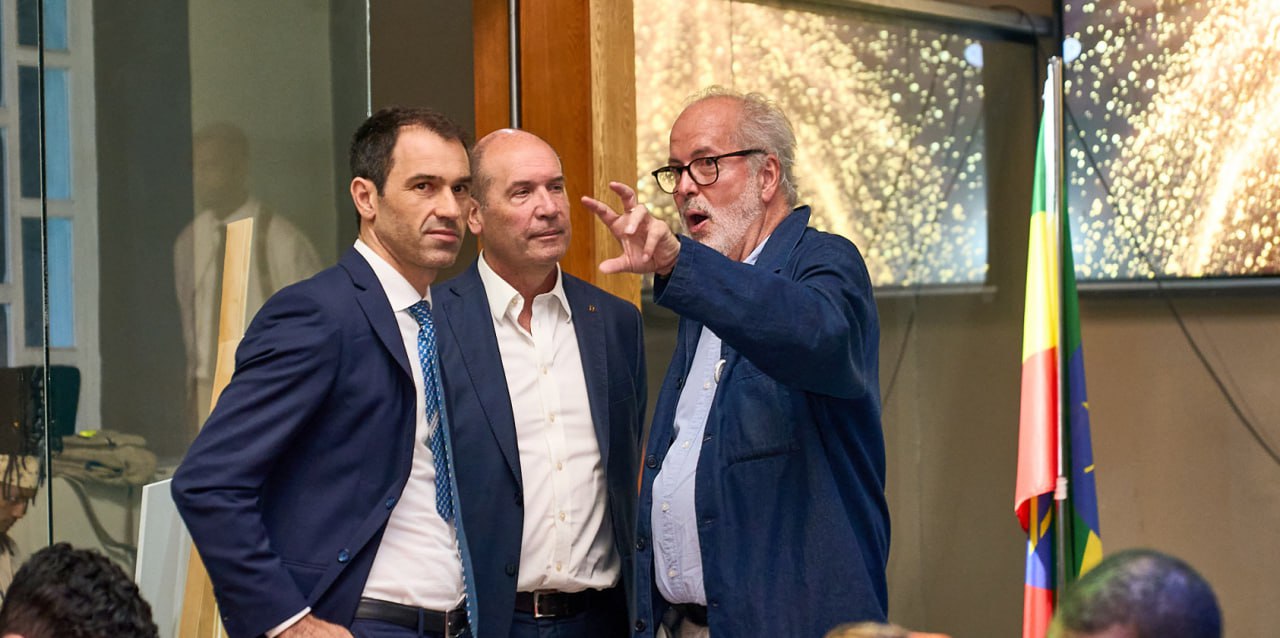
Forming part of UNIDO’s Global Creative Industries Program, and with additional backing from the Italian Development Cooperation, the project was officially inaugurated amid great optimism. Government officials highlighted the importance of not only creating jobs for the youth but also enabling them to establish new industries themselves. They emphasized that creative industries hold significant promise for economic diversification, job creation, and earning foreign exchange.

Representatives from the Italian Development Cooperation underscored the center as a manifestation of the shared vision between Ethiopia and Italy for sustainable development centered on young people. They described the innovation center as a vital platform enabling youth to transform ideas into actionable projects while connecting with both local and international markets.

PACCI and IOM Pledge Closer Cooperation to Boost Migrant Reintegration and Private Sector Engagement in East Africa

0

In a significant step toward enhancing regional cooperation on migration and economic development, the Pan African Chamber of Commerce and Industry (PACCI) and the International Organization for Migration (IOM) have pledged to work together on strategies that engage the private sector in supporting migrant reintegration and employment across East Africa.

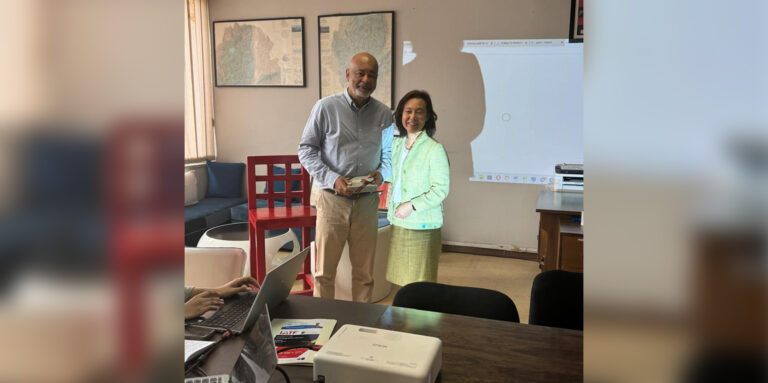
The commitment was made during a meeting between Kebour Ghenna, Executive Director of PACCI, and Yuko Hamada, Senior Regional MRP Coordinator at IOM’s Regional Office for East, Horn, and Southern Africa. The discussion, held at PACCI’s headquarters in Addis Ababa, addressed the urgent need to align migration policies with economic opportunities and private sector participation.

Hamada presented up-to-date data on migration trends in the East African region, highlighting key challenges and the socio-economic impact of migration on both origin and destination countries. She provided an overview of regional migration frameworks and the issues faced by migrants themselves – including barriers to legal mobility, reintegration, and access to services.

For his part, Kebour Ghenna stressed PACCI’s interest in supporting migrants through reintegration initiatives that capitalize on the skills they acquire abroad. “Migrants return with valuable knowledge and experience. We must ensure they have access to financial services, improved financial literacy, and opportunities to contribute to their communities and economies,” he noted.

The conversation also covered the simplification of legal pathways for migration, the social costs borne by both sending and receiving countries, and the critical role of partnerships in addressing these multi-dimensional issues. Both sides agreed to jointly explore funding opportunities and collaborate on initiatives that align with their respective mandates.

PACCI, as the apex body representing national chambers of commerce and private sector institutions across Africa, is well-positioned to convene businesses and promote trade-led growth. The IOM Regional Office for East, Horn, and Southern Africa – based in Nairobi – supports 16 countries and works to promote safe, orderly, and humane migration.

The meeting marked a positive step toward deeper collaboration between the development and business communities in support of human mobility and inclusive economic development across the continent.