Ethiopia is preparing to launch its first nationwide blood lead level study in the coming Ethiopian New Year, a move expected to provide the country’s first comprehensive picture of lead exposure and its public-health consequences.
The survey will be conducted by the Ministry of Health and the Ethiopian Public Health Institute (EPHI) in partnership with Vital Strategies and the CDC Foundation. It will focus on children aged six to 59 months and women aged 15 to 49, two groups considered particularly vulnerable to lead exposure.
Dr. Masresha Tessema, Director of the Nutrition, Environmental Health and Non-communicable Disease Research Directorate at EPHI, said the study will systematically assess the prevalence, geographic distribution and likely sources of elevated blood lead levels. “Until now, Ethiopia has not had a nationwide assessment capable of showing the full extent of exposure,” he said. Approximately 35% to 36% of Ethiopian children under the age of five have elevated blood lead levels exceeding 5 ug/dL.
Exposure is estimated to cost children under five an average of 5.8 IQ points and is associated with more than 13,500 deaths annually, according to figures cited by health experts. The economic burden is estimated at around 1.3 trillion birr, or approximately $8 billion, each year.
Lead can enter the body through contaminated air, water, soil and consumer products. Key suspected sources in Ethiopia include lead-acid battery recycling, smelting activities, industrial pollution, contaminated food products, paints, cookware, cosmetics and toys. Because lead poisoning often produces no immediate symptoms, many affected people do not know they have been exposed. Blood testing is considered the most reliable means of confirming exposure.
The study will also support efforts to strengthen laboratory and surveillance capacity. Under the Bloomberg Philanthropies Lead Poisoning Prevention Initiative, Vital Strategies is assisting Ethiopia with pilot sample collection, laboratory analysis, data reporting and standardized testing equipment.
Officials say the findings will help guide prevention measures, identify high-risk communities and support policies aimed at reducing environmental lead contamination.
The Addis Ababa City Administration Revenue Bureau has uncovered widespread tax evasion and significant revenue leakage across vehicle trading hubs throughout the capital. The discovery follows a comprehensive investigation that revealed deep-seated compliance failures regarding annual tax obligations within the city’s vehicle trade and brokerage sectors.
The findings emerged as part of a broader regulatory enforcement that initially saw the bureau issue strict warnings to vehicle commission and brokerage operators. Traders engaged in these activities were ordered to clear all vehicles stored on their compound premises—a practice the administration noted violated established legal boundaries regarding authorized sales locations.
On August 20, 2026, the tax bureau formalized its stance by issuing a definitive directive stating that only legally registered vehicle trading and importing businesses are permitted to carry out sales from their authorized commercial premises, as previously reported by Capital.
The issue gained central prominence during the closing session of the city administration’s five-year plan and fiscal year evaluation on September 1, 2026. Addressing municipal officials and stakeholders, Addis Ababa Mayor Adanech Abiebie highlighted the severity of the findings. “Our study on how annual income and value-added taxes are evaded across vehicle trading centers in the city has exposed numerous irregularities,” Mayor Adanech stated.
She emphasized that while many citizens diligently pay taxes commensurate with their labor, others unlawfully enrich themselves by neglecting legal obligations—an unfair disparity the administration refuses to tolerate.
This crackdown is a critical component of the city’s newly overhauled revenue reform framework, which seeks to transition away from traditional collection methods and dramatically build institutional capacity. City officials noted that extensive assessments have been conducted to tap into high-potential economic sectors outside conventional revenue streams, deploying careful and methodical procedures to meet ambitious financial targets.
The administration has repeatedly warned that it will take strict, uncompromising measures against uncollected public resources. Future control mechanisms will focus intensely on eliminating revenue distortions, plugging financial leaks, and curbing resource wastage across the commercial landscape.
While the Addis Ababa City Administration had previously planned to generate a record 502 billion birr for the 2026/27 fiscal year, Mayor Adanech revealed that recent comprehensive studies indicate the city possesses an untapped revenue potential reaching up to 1.5 trillion birr.
The administration stressed that this aggressive revenue collection campaign will be implemented without imposing any tax rate increases on compliant, existing taxpayers. Instead, the strategic focus rests entirely on closing massive regulatory gaps, widening the tax net, and vigorously controlling illegal tax evasion across all commercial sectors.
As part of the evolving regulatory framework, vehicle trading hubs that were initially ordered to clear their compounds were permitted to resume operations starting August 30, 2026, under a revised directive from the Revenue Bureau.
Traders operating within these sales hubs noted that while their business spaces have officially reopened, strict operational boundaries remain in place. They are explicitly prohibited from holding and selling zero-mile vehicles on an individual basis through commissions or profit margins, or conducting such sales directly within their compounds—privileges now reserved exclusively for authorized importers.
However, traders have been cleared to operate as commission agents for individual used vehicles or purchase and resell cars directly, provided strict compliance is maintained. Business owners acknowledged to Capital that the primary objective of the new regulatory decisions is to ensure commercial operations align transparently with the city’s enhanced tax collection targets.
In the previous 2025/26 fiscal year, the Addis Ababa City Administration collected 351 billion birr from taxes and various internal revenue sources, successfully meeting its target of 350 billion birr. For the current 2026/27 fiscal year, the Addis Ababa Revenue Bureau has set out to generate a total of 502.27 billion birr, of which 380 billion birr is planned to be mobilized directly from tax revenues.
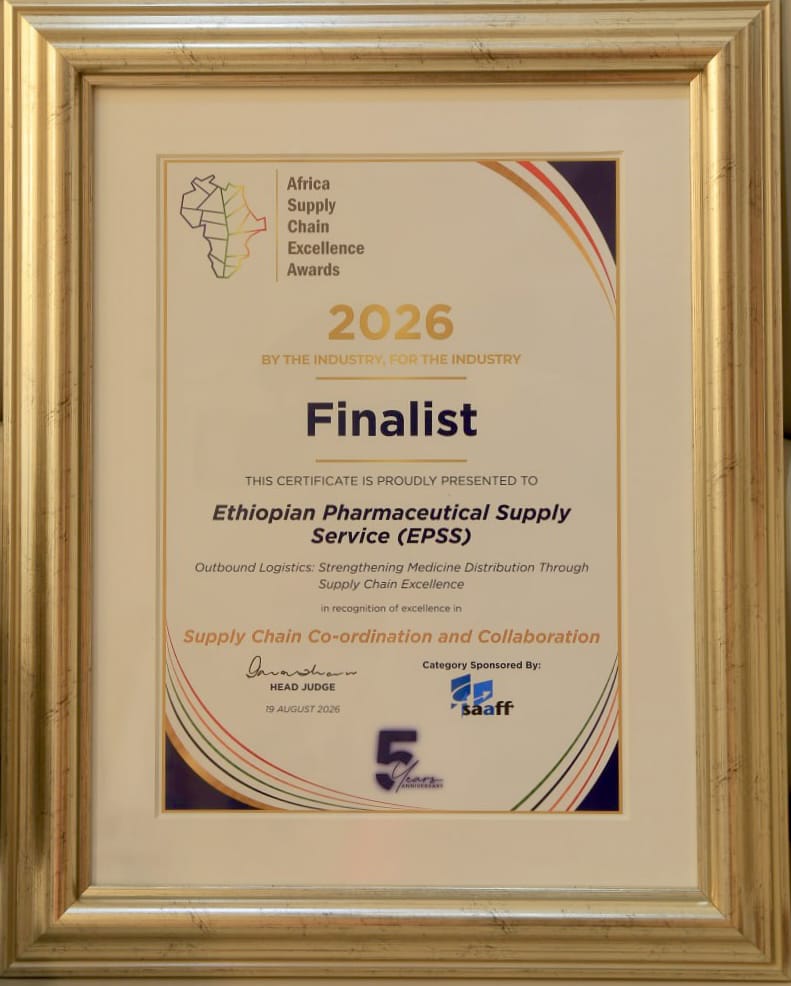
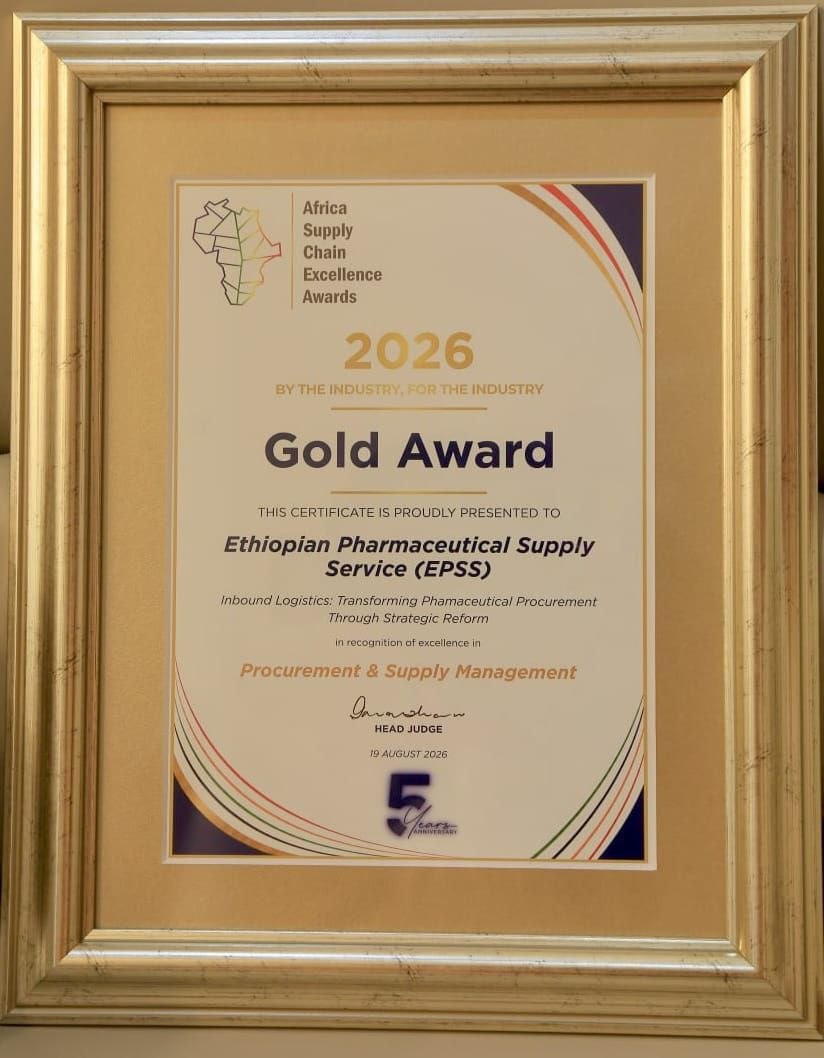
The Ethiopian Pharmaceutical Supply Service (EPSS) has won the Gold Award at the fifth Africa Supply Chain Excellence Awards (ASCEA 2026), held in Pretoria, South Africa.
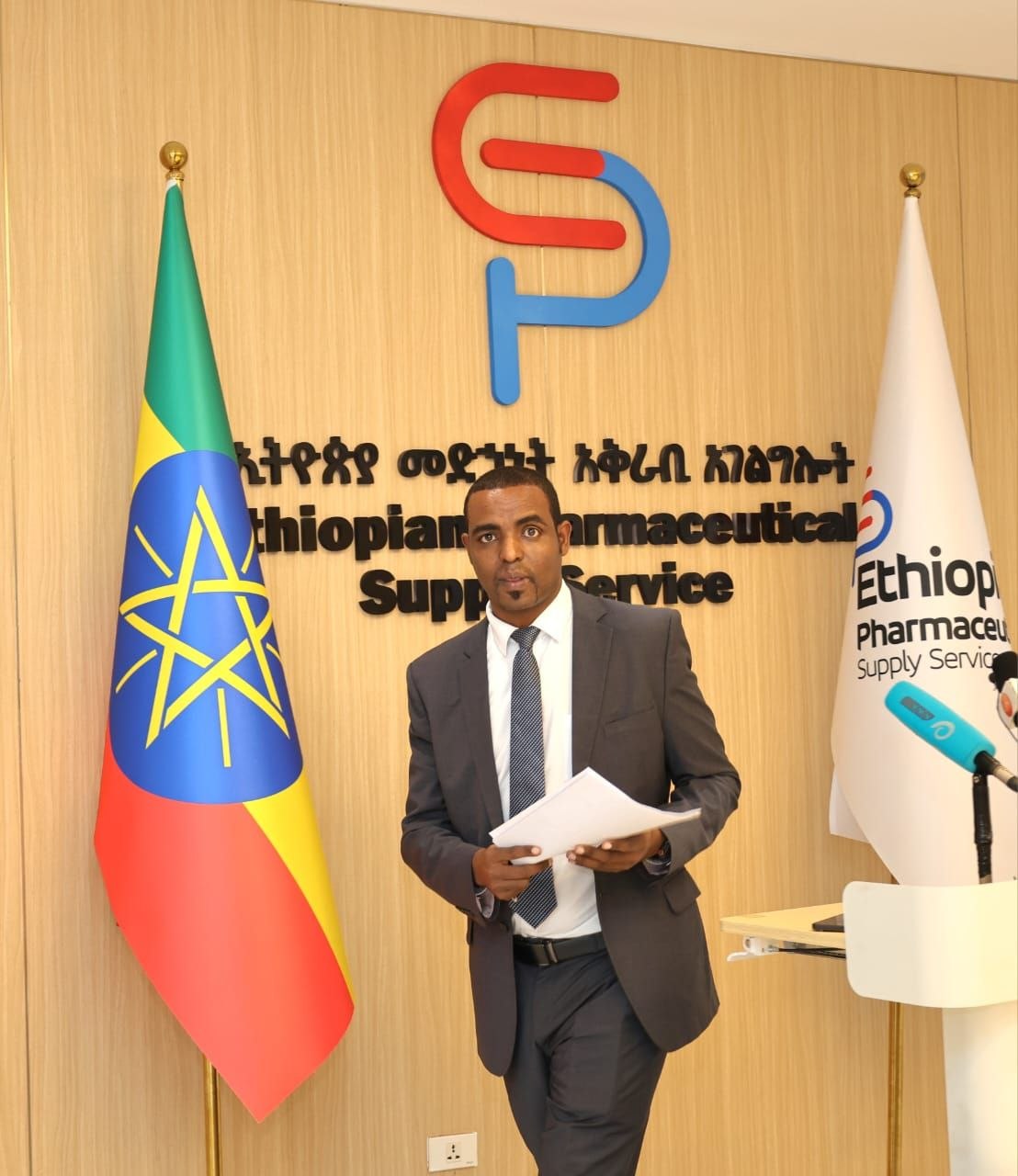
In a press statement, EPSS Director General Dr Abdulkedir Gelgelo said the award recognises the service’s improved performance in the procurement of pharmaceuticals and medical supplies, as well as its broader supply-chain management reforms.
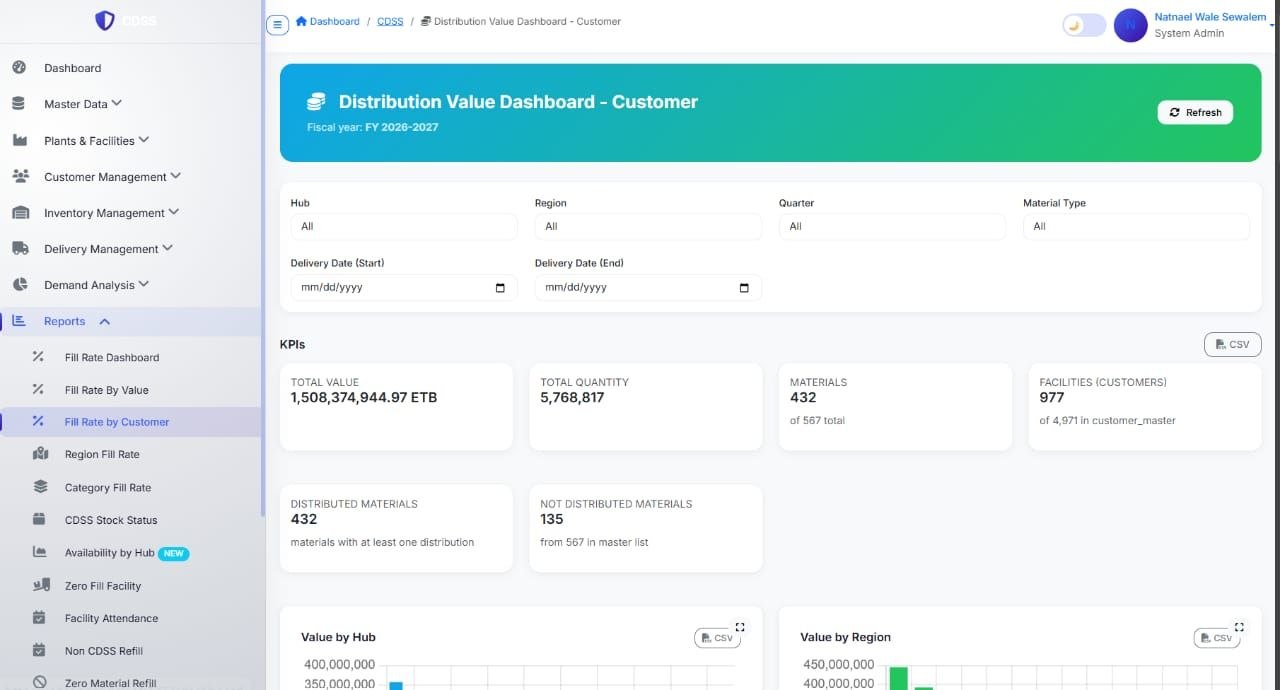
He said digital transformation, enterprise resource planning (ERP), data-driven decision-making, and efforts to streamline and strengthen procurement processes played a major role in securing the recognition.
“This milestone moves the service one step closer to achieving its vision of becoming one of Africa’s most efficient and responsive supply-chain institutions by 2030,” Dr Abdulkedir said.
The director general said the award reflected the collective dedication and hard work of EPSS leadership and staff. He added that the service would continue working to ensure a more stable, accessible and reliable supply of pharmaceuticals and medical equipment.
EPSS said the recognition also encourages pooled procurement for medicines with a limited number of suppliers and demonstrates the institution’s commitment to quality.
The state-owned enterprise is responsible for procuring and distributing essential medicines to more than 420 hospitals, 4,100 health centres and 18,500 health posts across the country. In recent years, the organisation has drawn international attention for an extensive public-sector transformation programme.
However, before achieving these milestones, EPSS faced significant systemic and operational weaknesses that threatened the country’s health-service delivery. For years, the agency relied on generic national procurement frameworks that did not adequately account for the specialised and high-stakes nature of pharmaceutical procurement.
According to Dr Abdulkedir, previous federal regulations treated critical medicines in the same way as office chairs, soap and pens. This approach overlooked key differences, including lengthy procurement lead times, shelf lives of only two to four years, and a 65–70 percent import dependency in a market with only 14 local manufacturers.
Compounding these legislative gaps were administrative bottlenecks and information shortages across the supply chain. Historically, the procurement cycle—from issuing an international tender to delivering commodities such as paracetamol or antibiotics to a remote health post—could take as long as 400 days.
Fragmented records and outdated manual tracking further limited inventory visibility, leaving officials without real-time information on stock levels, warehouse movements and product-expiry dates. Physical inventory audits could take up to 45 days, during which warehouse transactions had to be frozen, creating distribution bottlenecks and disrupting the supply of medicines to public health facilities.
Legislative Reform and Digitisation
Warehousing and last-mile delivery networks also faced significant infrastructure challenges. Operations struggled to meet modern international standards, resulting in high distribution costs, inefficient use of storage space and medicine wastage linked to weak management of near-expiry stock.
Multi-layered transit routes through intermediate district hubs created further regional bottlenecks and delayed deliveries of medicines and treatments for HIV, tuberculosis and malaria.
In response, EPSS launched a comprehensive, technology-driven overhaul of the country’s health logistics system. The Public Procurement Authority authorised the service to establish a dedicated legislative framework for centrally procured medical supplies through Regulation No. 1354/2024.
This led to Procurement Directive No. 1066/2025, which created a statutory framework specifically tailored to pharmaceutical procurement. The directive introduced mandatory e-procurement, competitive electronic reverse auctions and long-term framework agreements of up to seven years. EPSS said the measures are intended to give domestic manufacturers greater certainty to invest and expand production.
The service reports that the reforms have reduced average procurement cycles from about 400 days to fewer than 115 days. International bid-floatation periods have also been shortened from 45 days to 20 days.
The policy shift, which forms part of the Digital Ethiopia 2030 strategy, also opened access to international suppliers through transparent and competitive bidding. Certified international manufacturers can now participate directly in public tenders through the national Electronic Government Procurement portal, provided they meet national licensing and legal requirements.
EPSS said the system is designed to strengthen competition, improve ethical procurement standards and secure better value for public funds. Digital integration now provides real-time visibility across procurement, suppliers, product receipts, warehouse locations and expiry dates.
Supply Chain Modernisation
To consolidate its operational improvements, EPSS implemented an enterprise resource planning system anchored by SAP S/4HANA. The agency partnered with SEIDOR and received advisory support from Deloitte Consulting.
The digital system integrates financial management, inventory control, human resources and fleet logistics into a single real-time data architecture. The project earned the “SMB Transformation Project of the Year” award at the international ERP Today Awards 2025.
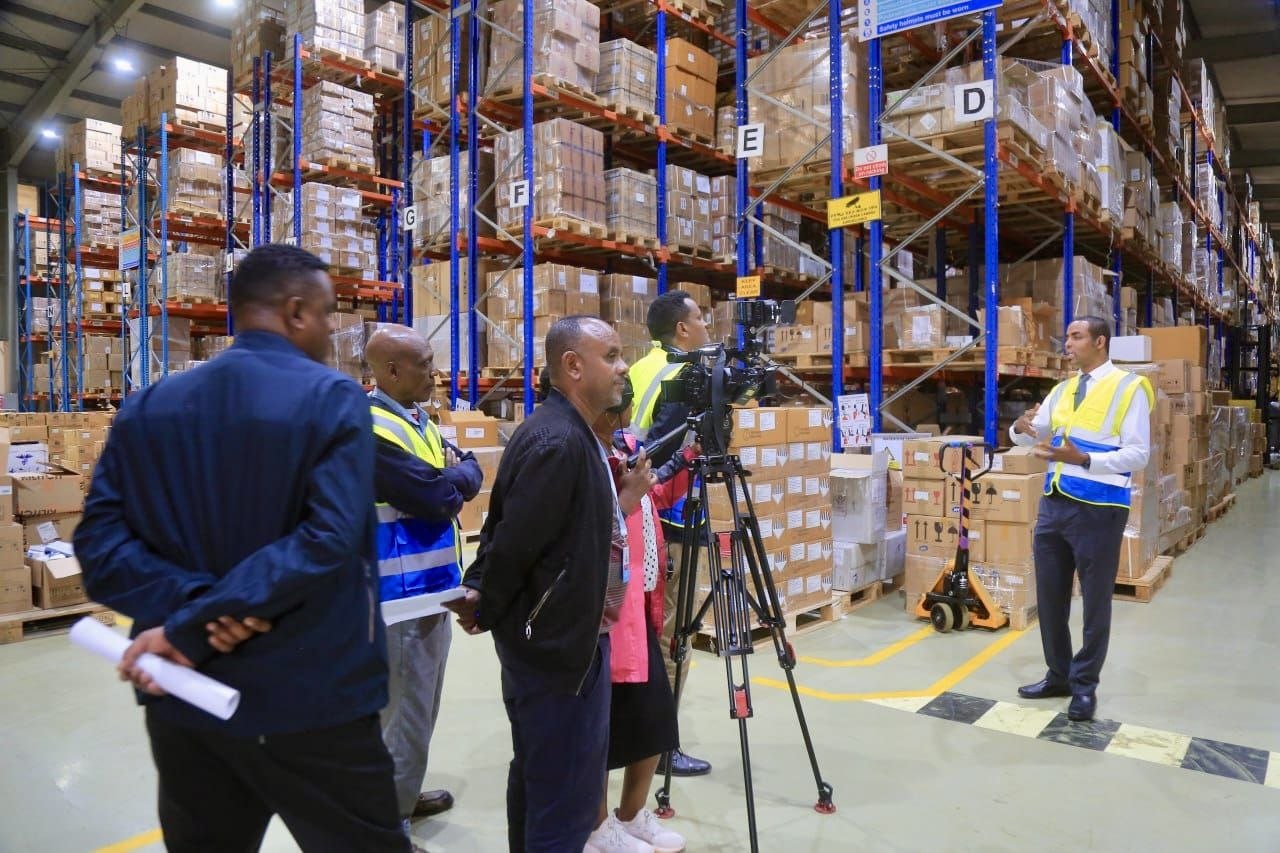
Distribution networks have also been redesigned to strengthen last-mile delivery. EPSS has shifted from multi-layered transit arrangements toward direct deliveries to health facilities, which now account for approximately 77 percent of total distributions.
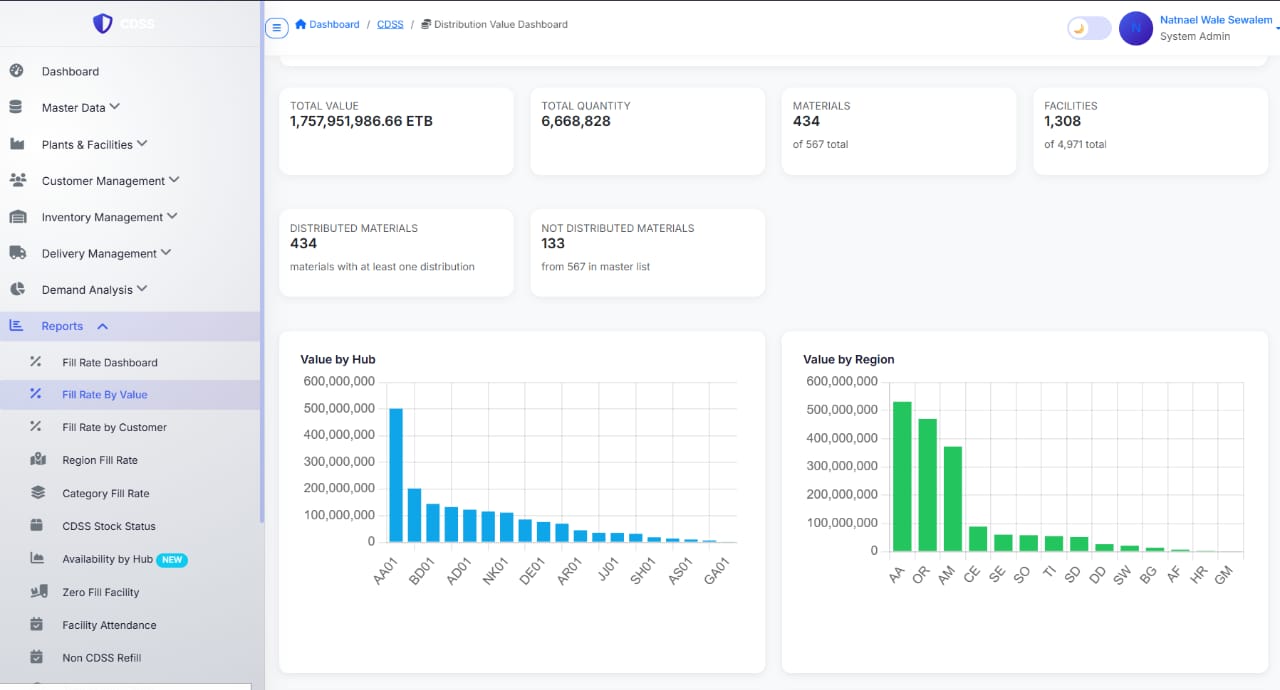
During the current budget year, the service distributed medical supplies valued at 64 billion birr to health facilities nationwide. The operation was supported through coordination with Ethiopian Airlines, Ethiopian Shipping and Logistics, the Ethiopian Food and Drug Administration, and domestic financial institutions.
Continental Recognition and Remaining Gaps
The Gold Award at ASCEA 2026 followed previous recognition, including the Grand Prize at the 2024 Global Health Supply Chain Summit in Lagos and acknowledgement from Gavi, the Vaccine Alliance.
Despite the achievements, EPSS leadership acknowledges that the service has not yet reached its ultimate objective of ensuring uninterrupted availability of essential medicines. Medicine availability currently stands at 79 percent, below the desired 100 percent fulfilment rate, due to budget constraints and localised shortages.
Nevertheless, EPSS believes continued policy enforcement, digital integration and stronger last-mile coordination will help it achieve its long-term vision of becoming one of Africa’s most efficient, transparent and responsive healthcare supply chains by 2030.
This notice is placed by UNECA. The accuracy, reliability and completeness of the contents of furnished information is the responsibility of United Nations Economic Commission forAfrica. You are therefore requested to direct all queries regarding this EOI to United Nations Economic Commissionfor Africa using the fax number or e-mail address provided below.
Title of the EOI:
Supply of Printing Equipment
Date of this EOI: 28 August 2026 Closing Date for Receipt of EOI: 14 September 2026
44000000 – Office Equipment and Accessories and Supplies
DESCRIPTION OF REQUIREMENTS
The United Nations Economic Commission for Africa (UNECA) in Addis Ababa, Ethiopia hereby seeks interested and qualified vendors to supply of Printing Equipment.
. Braille embossers Basic-D V5 is a small powerful double-sided braille printer. Including supplies
. ArtisJet Young Redefined A4 mini-UV desktop printer with accessories and supplies for promotional items
Interested firms will be invited to the tender in “Request for Quotation” (RFQ) at a later stage. This tender envisages selection of a single or more firm/s to supply the above items.
Please note that the UNECA is precluded from entering into contract with a firm that is not fully registered with UNGM. Firms interested in responding to this invitation but not currently fully registered as vendors with UNGM, are encouraged to register before submission of the bid. Further details may be obtained by visiting https://www.ungm.org/Vendor/Registration.
Firms should submit their “expression of interest” electronically through the link before the deadline 14 Sept 2026
SPECIFIC REQUIREMENTS / INFORMATION (IF ANY)
NOTE
Information on tendering for the UN Procurement System is available free of charge at the following address: https://www.ungm.org/Public/Notice
Only the United Nations Global Marketplace (UNGM) has been authorised to collect a nominal fee from vendors that wish to receive automatically Procurement Notices or Requests for Expression Of Interest. Vendors interested in this Tender Alert Service are invited to subscribe on http://www.ungm.org
Vendors interested in participating in the planned solicitation process should submit the Vendor Response Form of this EOI electronically (through the link available on the next page) before the closing date set forth above.
VENDOR RESPONSE
NOTICE
Companies can only participate in solicitations of the UN Secretariat after completing their registration (free of charge) at the United Nations Global Marketplace (www.ungm.org).
As you express interest in the planned solicitation by submitting this response form, please verify that your company is registered under its full legal name on the United Nations Global Marketplace (www.ungm.org) and that your application has been submitted to the UN Secretariat.
While companies can participate in solicitations after completion of registration at Basic Level, we strongly recommend all companies to register at least at Level 1 under the United Nations Secretariat prior to participating in any solicitations.
Companies are reminded of the restrictions of employment of former UN personnel that were involved in the procurement process during their last three years of service as per ST/SGB/2006/15, including (a) employing those personnel for one year after separation of service and (b) allowing those personnel to communicate with, or appear before, active UN personnel for matters related to the procurement process for two years after separation of service. Violation of the provisions of ST/SGB/2006/15 may lead to suspension of the registration of the company as a UN vendor.
PLEASE NOTE: You should express your interest to this EOI electronically at:
In case you have difficulties submitting your interest electronically, please contact tesfaneh.gebre@un.org directly for instructions.
EOI INSTRUCTIONS
1) Registering as a Vendor with the United Nations
Vendors interested in fulfilling the requirement described above must be registered at the UN Global Marketplace (www.ungm.org) with the UN Secretariat in order to be eligible to participate in any solicitation. Information on the registration process can be found at https://www.un.org/Depts/ptd/vendors.
Prerequisites for Eligibility
In order to be eligible for UN registration, you must declare that:
Your company (as well as any parent, subsidiary or affiliate companies) is not listed in, or associated with a company or individual listed in:
the IIC Oil for Food List website or, if listed on either, this has been disclosed to the United Nations Procurement Division in writing.
Your company (as well as any parent, subsidiary or affiliate companies) is not currently removed or suspended by the United Nations or any other UN organisation (including the World Bank);
Your company (as well as any parent, subsidiary of affiliate companies) is not under formal investigation, nor have been sanctioned within the preceding three (3) years, by any national authority of a United Nations Member State for engaging or having engaged in proscribed practices, including but not limited to: corruption, fraud, coercion, collusion, obstruction, or any other unethical practice;
Your company has not declared bankruptcy, are not involved in bankruptcy or receivership proceedings, and there is no judgment or pending legal action against your company that could impair your company’s operations in the foreseeable future;
Your company does not employ, or anticipate employing, any person(s) who is, or has been a UN staff member within the last year, if said UN staff member has or had prior professional dealings with the Vendor in his/her capacity as UN staff member within the last three years of service with the UN (in accordance with UN post-employment restrictions published in ST/SGB/2006/15).
Your company undertakes not to engage in proscribed practices (including but not limited to: corruption, fraud, coercion, collusion, obstruction, or any other unethical practice), with the UN or any other party, and to conduct business in a manner that averts any financial, operational, reputational or other undue risk to the UN.
For Registered Vendors: Vendors already registered at the UN Global Marketplace with the UN Secretariat must ensure that the information and documentation (e.g. financial statements, address, contact name, etc.) provided in connection with their registration are up to date in UNGM. Please verify and ensure that your company is registered under its full legal name.
For Vendors Interested in Registration: Vendors not yet registered should apply for registration on the United Nations Global Marketplace (http://www.ungm.org); information on the registration process can be found at https://www.un.org/Depts/ptd/vendors. Vendors must complete the registration process prior to the closing date of the REOI. Vendors who have not completed the UNGM registration process with the UN Secretariat before the closing date of the REOI are not considered eligible to participate in solicitations of the UN Secretariat. We strongly recommend all companies to register at least at Level 1 under the UN Secretariat prior to participating in any solicitations.
IMPORTANT NOTICE: Any false, incomplete or defective vendor registration may result in the rejection of the application or cancellation of an already existing registration.
EOI Process
Vendors interested in participating in the planned solicitation process should forward their expression of interest (EOI) to United Nations Economic Commission for Africa (UNECA) by the closing date set forth in this EOI. Due to the highvolume of communications UNECA is not in a position to issue confirmation of receipt of EOIs.
Please note that no further details of the planned solicitation can be made available to the vendors prior to issuance of the solicitation documents.
This EOI is issued subject to the conditions contained in the EOI introductory page available at https://www.un.org/Depts/ptd/eoi.