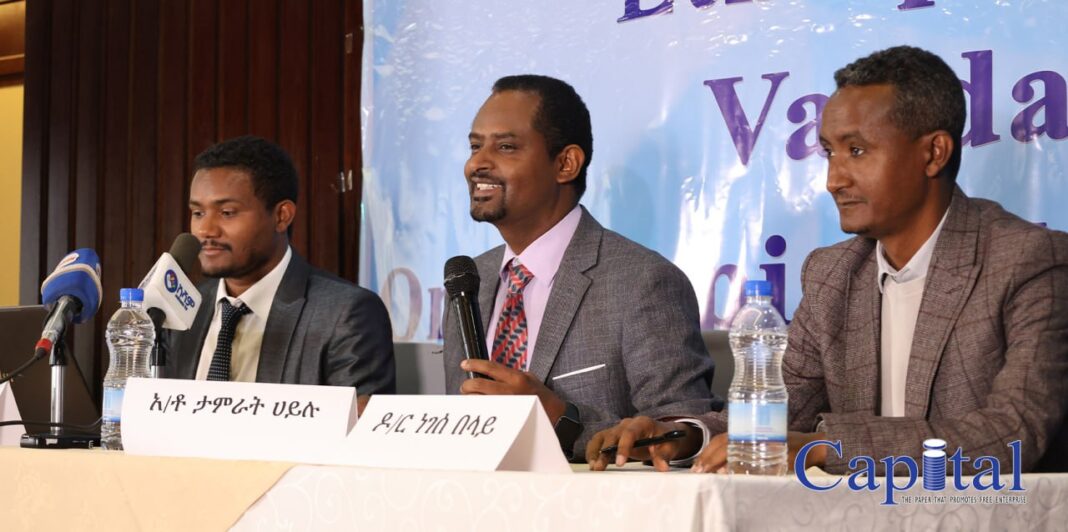
The Ethiopian Media Council (EMC) has announced plans to introduce a world-class digital identification system for journalists, alongside the launch of the National Media Awards, during a workshop on professional certification and media ethics. The initiatives aim to elevate journalistic standards, ensure accountability, and foster public trust in Ethiopia’s media landscape.
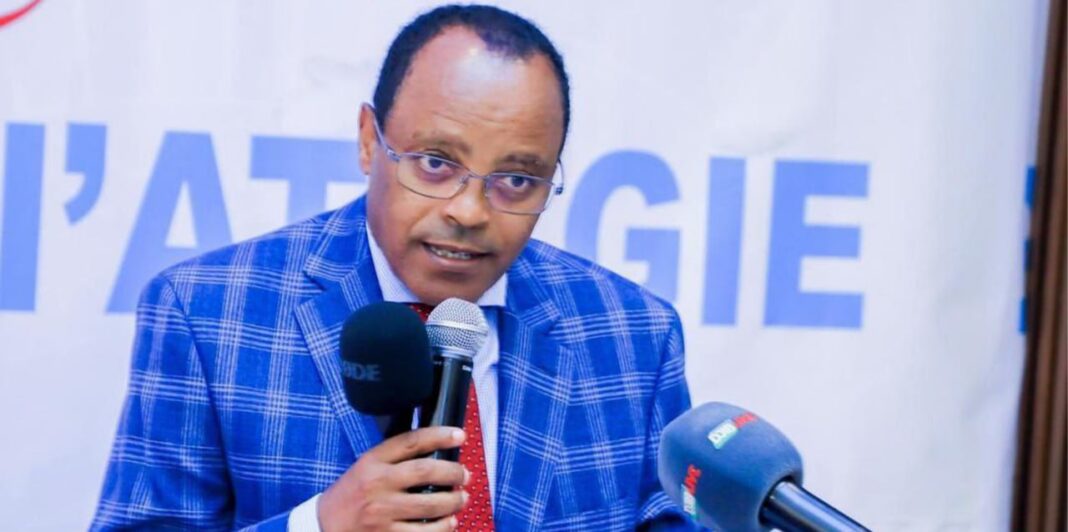
The EMC’s digital ID system will provide journalists with a unified, internationally recognized credential that validates their qualifications, experience, and adherence to ethical standards. Amare Argawi, EMC Chairman, emphasized that the ID will serve as a legal and professional endorsement, enabling journalists to operate with credibility both domestically and globally.
“A system of accreditation is being developed to certify media professionals based on their education, practical experience, and commitment to journalistic ethics,” Amare stated. The ID will integrate digital connectivity, allowing journalists to verify their credentials instantly and access restricted areas during reporting.

The National Media Awards, an annual event, will recognize journalists who uphold ethical standards and contribute to public discourse. Amare highlighted that the awards will incentivize responsible journalism, boost media credibility, and reinforce the sector’s role in shaping societal narratives.
“Rewarding excellence increases public confidence in the media and encourages professionals to adhere to high standards,” he noted.
Dr. Ayele Addis, a journalism lecturer at Bahir Dar University, underscored the need for professional differentiation in an era where social media has blurred the line between journalism and information dissemination. “Anyone with a mobile phone can share content, but a journalist must uphold ethical principles and serve the public interest,” he said.
Ayele cited challenges such as reliance on informants for information and the lack of standardized professional proof of identity. The digital ID, he argued, will resolve these issues by providing a verifiable credential that distinguishes journalists from non-professionals.