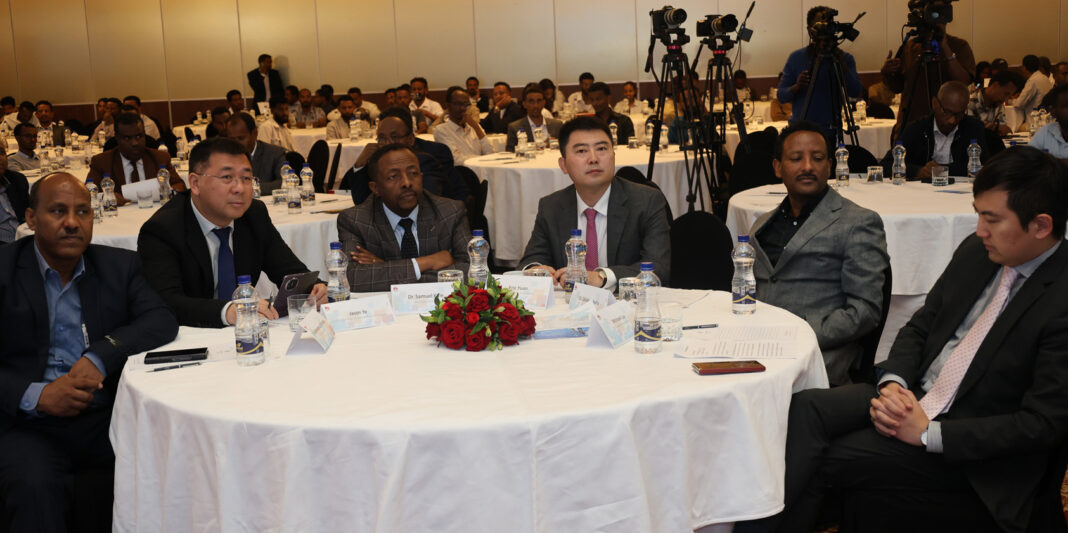
The Ministry of Education (MoE) has announced the establishment of a strategic partnership with UNESCO to draft a comprehensive National Artificial Intelligence (AI) and Education Policy. It was noted that this initiative will bring about a fundamental shift in the instructional process, signaling the end of an era where education is confined solely to traditional classrooms, printed books, and exams.
Zelalem Assefa, CEO of ICT and Digital Education at the Ministry of Education, stated that the world is currently undergoing a massive transformation driven by Artificial Intelligence, high-speed internet connectivity, and digital innovation. The CEO confirmed that Ethiopia is committed not only to participating in this global change but also to providing strategically supported and inclusive leadership.
Developed in collaboration with UNESCO’s international experts, this policy will establish a framework to utilize AI in an ethical, inclusive, and effective manner across all levels of education.
Speaking at the “Huawei Ethiopia Education Summit 2026,” Zelalem said, “These documents are not mere policy papers; rather, they are empowering tools. We are laying the policy, infrastructure, and innovation foundations necessary to prepare our country for the age of Artificial Intelligence.”
He added, “This roadmap will serve as a guide on how technology can improve teaching and learning outcomes, empower teachers, and make quality education accessible to every citizen regardless of geographical location.”
One of the major projects currently under development is a specialized AI Assistant App designed for teachers from Grade 9 to 12. Taking into account the infrastructural challenges in rural Ethiopia, the Ministry has prioritized a solution that primarily functions offline.
This AI tool is trained on the national curriculum and resides directly on the device. it helps teachers prepare lesson plans, generate classroom assessments, and provide content support.
“Our vision is not to replace teachers, but to empower them,” Zelalem explained. “This application relieves teachers of the burden of preparation, allowing them to focus on classroom effectiveness and student monitoring. This is especially vital for schools with limited internet connectivity, ensuring that no student is left behind in the digital evolution.”
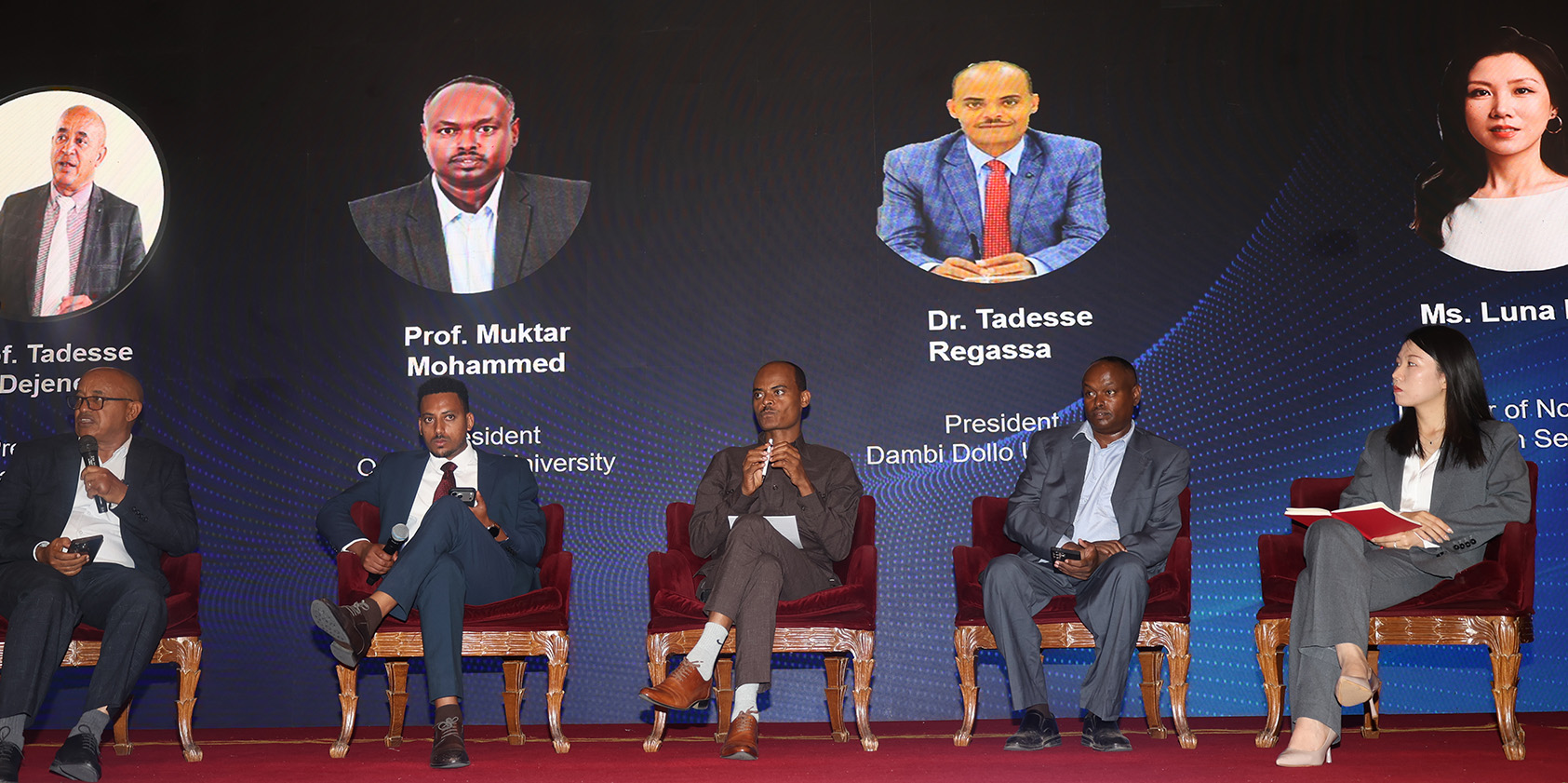
He also revealed plans to transform existing universities into “AI-Era Institutions.” This includes implementing advanced research computing, data-driven learning, and AI-assisted administration across all 50 public universities.
Jason Ye – Chief Digital Officer Northern African Region, Huawei stated at the summit that governments and universities across Africa are embracing digital education, strengthening ICT infrastructure, and investing in local innovation.
“At Huawei, we believe technology is not just for connecting people, but for creating further opportunities. Over the years, Huawei has worked closely with governments, universities, and partners to support educational transformation in Africa.”
Jason added that Huawei invests not only in technology but also in partnerships and local skill development. He explained that programs like the “Huawei ICT Academy” and “Seeds for the Future” demonstrate their long-term commitment to building sustainable digital capacity in Africa.
According to the Ministry of Education, a National Research and Education Network (NREN) is being established in collaboration with Ethio Telecom. This is a high-speed communication system dedicated exclusively to educational institutions, separate from the public internet.
To eliminate fragmented and uncoordinated systems across various universities, the Ministry indicated that it is developing an Integrated Campus Management System.
This central platform will consolidate student data, library management, and research information.
Furthermore, the Ministry disclosed that eight selected universities are being prepared to launch fully online educational programs. This aims to make higher education equitably accessible to citizens who cannot attend classes in person.