A decade-long partnership between the University of Gondar, Queen’s University in Canada, and the Mastercard Foundation Scholars Program is being hailed as a major step forward for disability rights and inclusive higher education in Ethiopia.
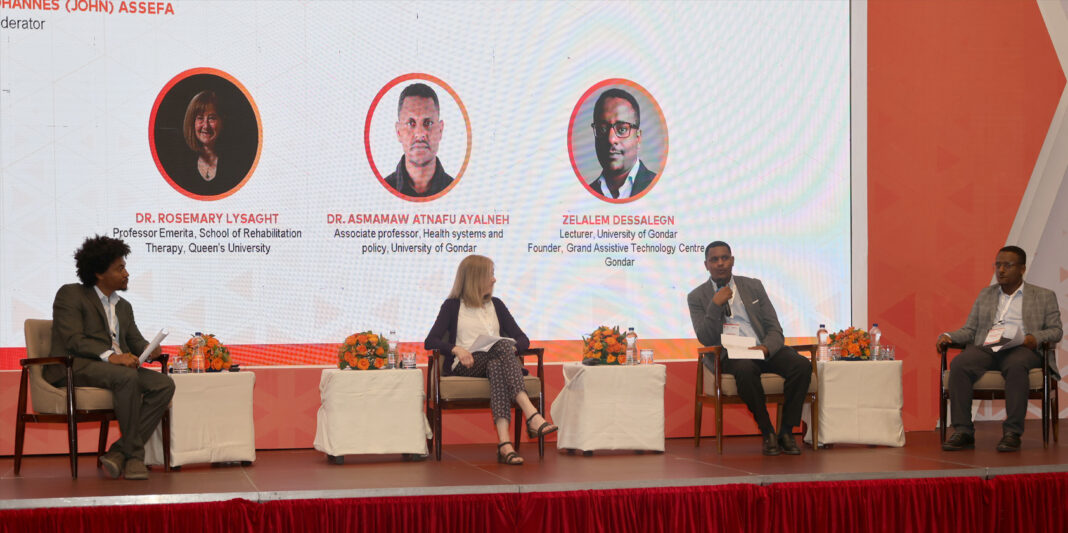
The collaboration was highlighted this week during a forum marking the program’s 10th anniversary, where university leaders and scholars reflected on how the initiative has helped reshape access to education for persons with disabilities and youth from underserved communities.
The need is significant. Studies indicate that about 20.6 million Ethiopians, or 19.7 percent of the population, live with functional disabilities, while at least 6 million face severe limitations that require the assistance of others. A separate study by the Policy Studies Institute found that disability is particularly widespread at the household level in Tigray and Amhara, where 30.1 percent and 25.8 percent of households, respectively, include at least one member with a disability.
Against that backdrop, the University of Gondar says the partnership has helped turn the institution into a center of “inclusive excellence.” More than 450 Mastercard Foundation Scholars, including students with disabilities and youth from underserved backgrounds, have completed undergraduate and graduate studies at the university.
University officials say the impact has gone beyond enrolment figures. More than 60 faculty members have been supported to pursue advanced studies at Queen’s University in Canada, returning with master’s and doctoral degrees in fields such as occupational therapy, rehabilitation sciences, engineering, and nursing. The university says these academics are helping build a more sustainable and inclusive system for future generations.
One of the most notable milestones came in 2021, when the partnership helped launch Ethiopia’s first Bachelor of Science in Occupational Therapy program. The initiative is seen as a significant step toward building a new professional field in the country and expanding services for persons with disabilities.
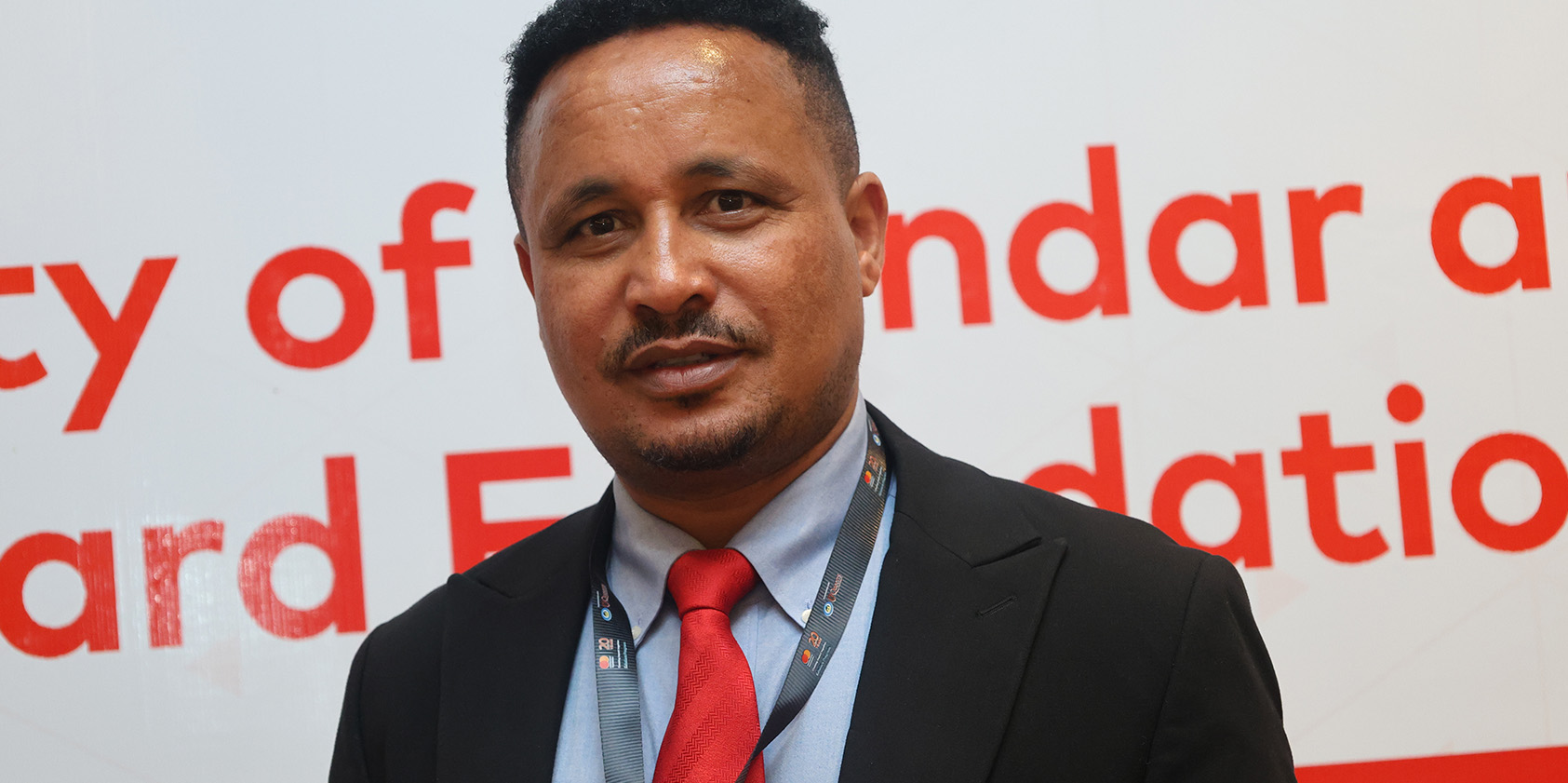
For alumni like Zelalem Dessalegn, the program has had a transformative impact. Dessalegn, now the founder of the Grand Assistive Technology Center, said the scholarship gave him more than a degree.
“The Mastercard Foundation program has given me more than just a degree; it created a platform for me to be a voice for others like myself,” he said. “By being part of Ethiopia’s first generation of Occupational Therapists, I am transforming my personal life experience into professional service, restoring independence and dignity to my community.”
The partnership has also contributed to research and knowledge-sharing in the sector, producing more than 47 international research articles on inclusive education and community-based rehabilitation. This week, a new Knowledge Mobilization Toolkit was launched to help turn research findings into practical support for communities.
In addition, more than 175 scholars have been trained in Community-Based Rehabilitation, helping shift the country’s approach to disability from a purely medical model to one that emphasizes community participation, self-sufficiency and dignity.
University of Gondar President Asrat Atsedeweyn said the collaboration has reshaped the institution’s mission and long-term outlook.
“By building faculty capacity, designing meaningful educational programs, and increasing the number of students with disabilities, we are building a sustainable and inclusive legacy that will serve Ethiopia’s future generations,” he said.