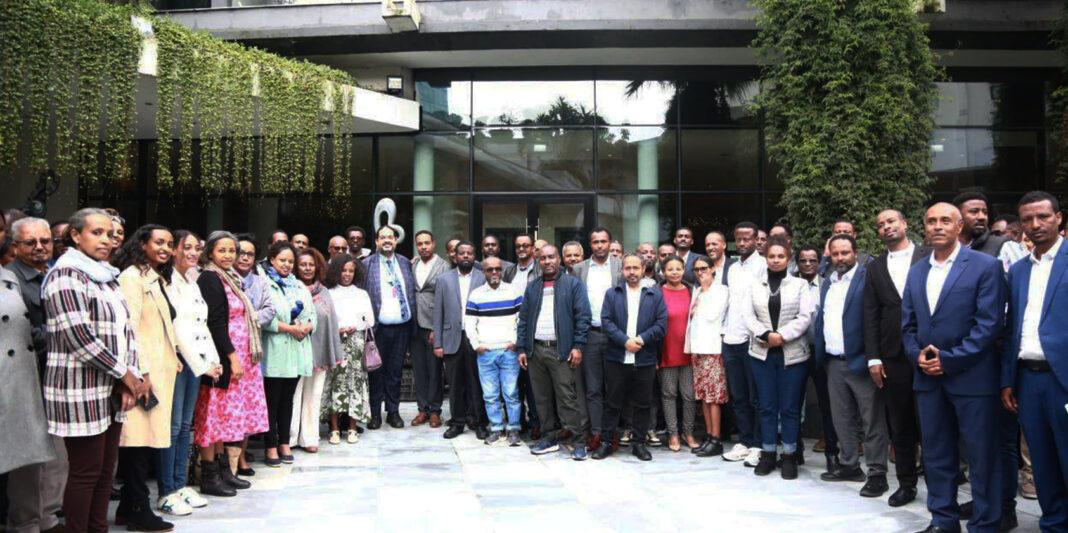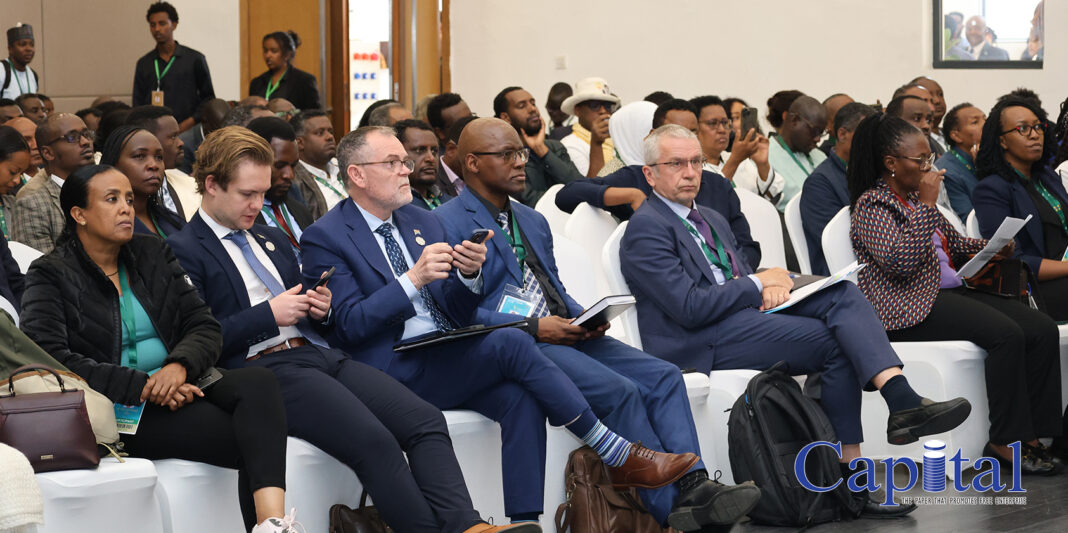
At the 2nd Africa Climate Summit, African leaders and experts called on the continent to move beyond exporting raw materials toward a new era of climate-friendly trade and green industrial development. This call comes amid a global shift in trade regulations driven by climate change, which is reshaping international commerce.
David Beer, CEO of Trademark Africa, highlighted that climate-related trade restrictions have increased significantly, rising from 8% five to six years ago to 20% today, with expectations of further growth. Regulations such as the European Union’s deforestation rule are now permanent, posing challenges but also opportunities for Africa to take leadership in green trade.
A major concern is traceability. African exporters in key sectors like cocoa, coffee, tea, and wood must provide detailed data on their products’ journey from farm to port to access important markets. Without this information, access is denied, posing a barrier that Africa must overcome through improved digital tracking solutions.
The summit’s panel discussions also addressed the impact of changing consumer preferences in markets like Europe, including a growing demand to avoid products transported by air. This shift threatens economies reliant on high-value fresh produce exports, such as Kenya, Uganda, and Ethiopia.
Experts emphasized that instead of simply reacting to external pressures, African nations should leverage their unique advantages to lead the green transition. Currently, intra-African trade accounts for only 11% of the continent’s total trade. Expanding this trade could reduce reliance on foreign markets and empower African countries to set their own environmental standards.
James Mwangi, CEO of Equity Bank Group, stressed that Africa’s population of 1.3 billion people represents a powerful force for a new development model. He highlighted Africa’s vast renewable energy resources, which comprise over 62% of the world’s renewable capacity, as a foundation for building clean industries free of polluting legacy systems common in developed countries.
Gianpiero Nacci, Managing Director for Climate Strategy at the European Bank for Reconstruction and Development, described the energy transition as “inherently irreversible,” noting the economic competitiveness of solar power and electric vehicles.
By using clean energy to process raw materials into finished products—such as turning wood into furniture or cocoa into chocolate—Africa can add value, create jobs, and produce environmentally friendly goods. The absence of outdated industrial systems provides Africa with a chance to leapfrog developed economies in adopting advanced technology and data management.
Digitalization and blockchain-based platforms were highlighted as key tools to enhance product traceability and market access. Experts urged collective investment in public-private systems accessible to all businesses to meet these challenges.
Successful implementation of this green economic revolution depends heavily on mobilizing finance and forging a unified African political voice. Financial institutions are developing platforms like the Africa Trade Gateway to bridge information gaps, but increased private-sector financing is needed to empower entrepreneurs.
African unity at international forums such as the World Trade Organization and UN climate summits was deemed essential. A united representation of all 54 countries can significantly influence global negotiations and advance the continent’s green agenda.