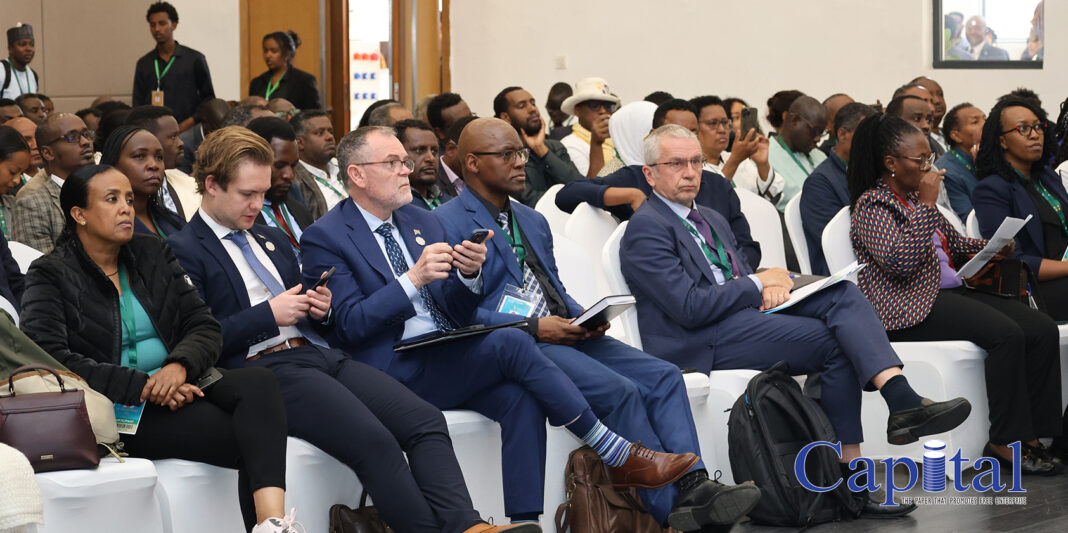
Nearly 80% of Ethiopian children live in multi-sectoral poverty, a new study reveals, highlighting serious gaps in basic services beyond financial hardship. The report, co-produced by the Policy Study Institute (PSI) and UNICEF, warns that Ethiopia is far from meeting its 2030 Sustainable Development Goal of reducing child poverty by half.
Titled “Multi-Sectoral Child Poverty in Ethiopia,” the study shows that about 47.8 million children—80.4% of the population under 18—lack access to multiple essential rights and services. On average, each affected child faces deficiencies in 6.2 of nine key sectors, including sanitation, clean water, housing, nutrition, health, and recreation.
Access to sanitation and clean water emerged as the most critical issues, with 90.6% and 87.3% of children deprived in these areas, respectively. Senior PSI researcher Jamal Mohammed noted that over 80% of children suffer deficiencies in five or more sectors, and 1.6% lack access to all nine.
The study exposes stark regional and urban-rural disparities. Multi-sectoral child poverty is highest in Somalia (88.2%), Afar (87.9%), and Tigray (86.1%), while Dire Dawa (41.8%) and Addis Ababa (44.9%) have the lowest rates. Rural children are disproportionately affected, with an 84.8% poverty rate compared to 55.2% in urban areas.
Adolescents aged 15-17 are particularly vulnerable, with 84.9% living in multi-sectoral poverty. Using innovative photo-sound methods, researchers incorporated children’s perspectives, revealing that many understand poverty as a mental burden, feeling depression and anxiety due to family unemployment and health struggles.
Some children also cited conflict as a factor worsening their conditions. Daniel Kumitz, UNICEF’s chief of social policy, urged stakeholders to prioritize children in national policies, calling investments in children a “strategic decision” for Ethiopia’s future prosperity.
Major General Ahmed Hamzam, Deputy Director of PSI, stressed that the study offers crucial data for crafting targeted and equitable solutions. The findings are already influencing the revision of Ethiopia’s national social protection policy, with experts calling for integrated approaches to effectively combat child poverty across the country.