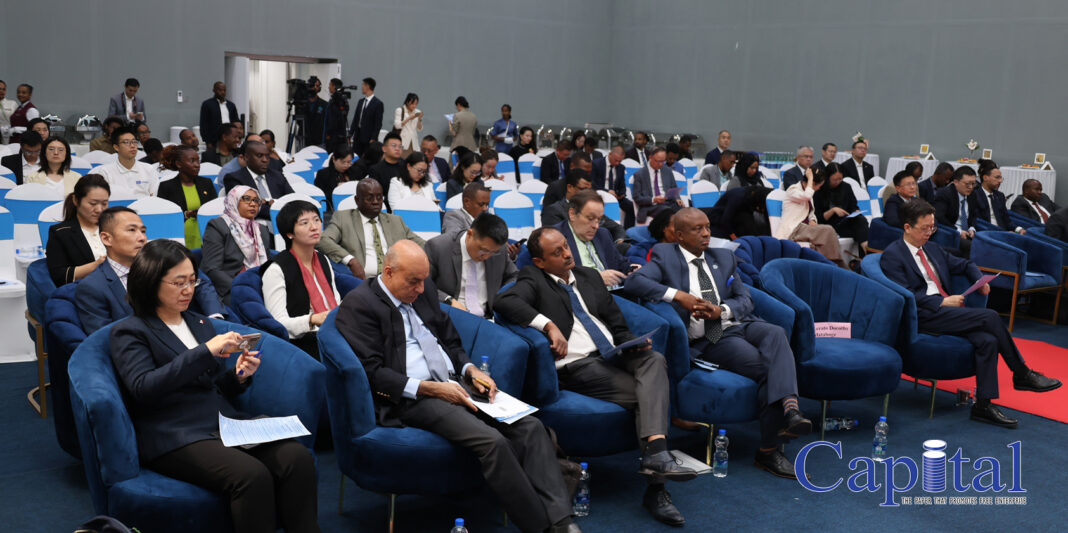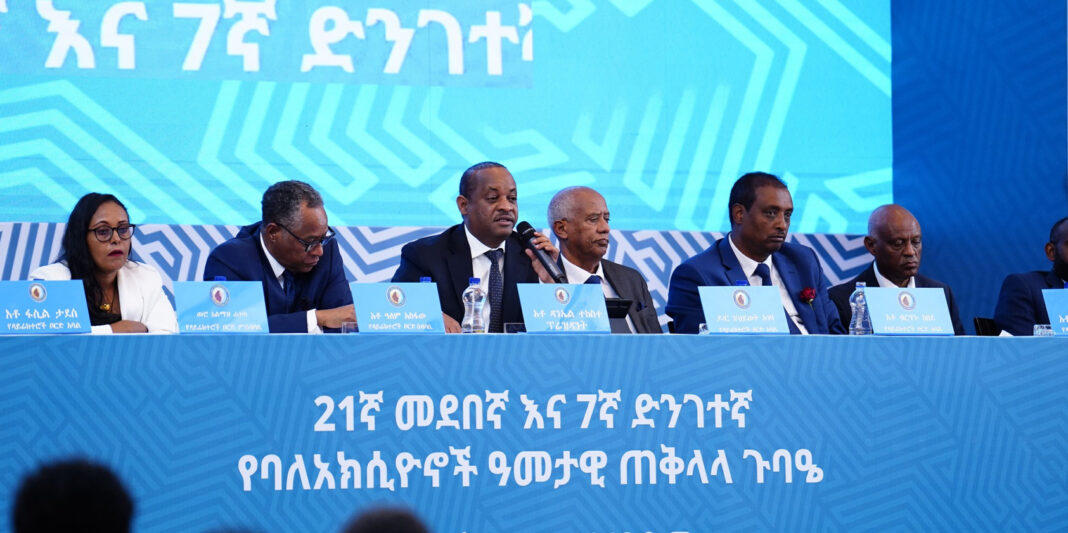
The Ministry of Finance has confirmed that the mandatory 3% Social Development Tax (SDT) on some foreign goods will remain in place, even as it rolls out a new and enhanced duty-free incentive program aimed at significantly boosting foreign and domestic investment.
Officials clarified during a stakeholder forum convened by the Ministry of Finance that the term “duty-free” refers specifically to exemptions or reductions in customs duties—which, in Ethiopia’s Customs Tariff Act, range from 0% to 35%—and does not imply a complete removal of all import-related taxes. While investors will continue to benefit from customs duty exemptions and VAT relief on capital goods, the modest 3% SDT and applicable excise taxes will still be charged.
Tewedaje Mehammed, Head of the Legal Affairs Department at the Ministry of Finance, emphasized that maintaining the SDT is important not only as a stable source of national revenue but also as a necessary measure aligned with Ethiopia’s commitments under international trade frameworks such as the African Continental Free Trade Area (AfCFTA) and the ongoing World Trade Organization (WTO) accession process.
The SDT, introduced in 2022, is designed to finance social security initiatives including education, healthcare, and emergency assistance for communities affected by disasters. Authorities also addressed challenges in the importation of capital goods post-business license issuance—a previous source of management difficulties—and introduced clearer distinctions and requirements in the new draft regulation.
Under the revised incentive system, existing businesses seeking to qualify for new benefits must obtain fresh investment licenses, with the aim of replacing the previously ineffective incentive framework with a results-based, targeted approach. The new legislation prioritizes capital investments in strategic sectors and large-scale projects, linking tax benefits directly to measurable outcomes.
Among its provisions, the incentive offers 75% discounted income tax for 10 to 15 years to investors who pour in at least 5 million birr in special economic zones; a 10% discounted tax rate for agricultural startups for 5 years; exemption from dividend tax for 5 years; and reduced profit taxes of 5% and 10% for foreign trade entities inside and outside special zones, respectively.
Additionally, a 15% business profit tax will be temporarily imposed on participants in carbon markets or renewable energy projects to protect atmospheric safety.
The new law requires investment institutions to enter into performance agreements with investors, clearly defining investment levels, export goals, and employment creation targets.