The United Nations Educational, Scientific and Cultural Organization (UNESCO) has officially inscribed Gifaataa, the New Year festival of the Wolaita people in southern Ethiopia, on the Representative List of the Intangible Cultural Heritage of Humanity for 2025. The decision was announced during the 20th session of the Intergovernmental Committee for the Safeguarding of the Intangible Cultural Heritage.
Gifaataa, celebrated between mid-September and early October, marks renewal, reconciliation, and unity among the Wolaita community. The ten-day festival begins with households cleaning their surroundings, mending homes, and making peace with neighbors — creating a spirit of readiness for the New Year. On the main day, families gather to share raw meat and local beer, while elders offer blessings for peace and prosperity. As dusk falls, the community celebrates around bonfires with songs, dances, and rituals symbolizing harmony and continuity.
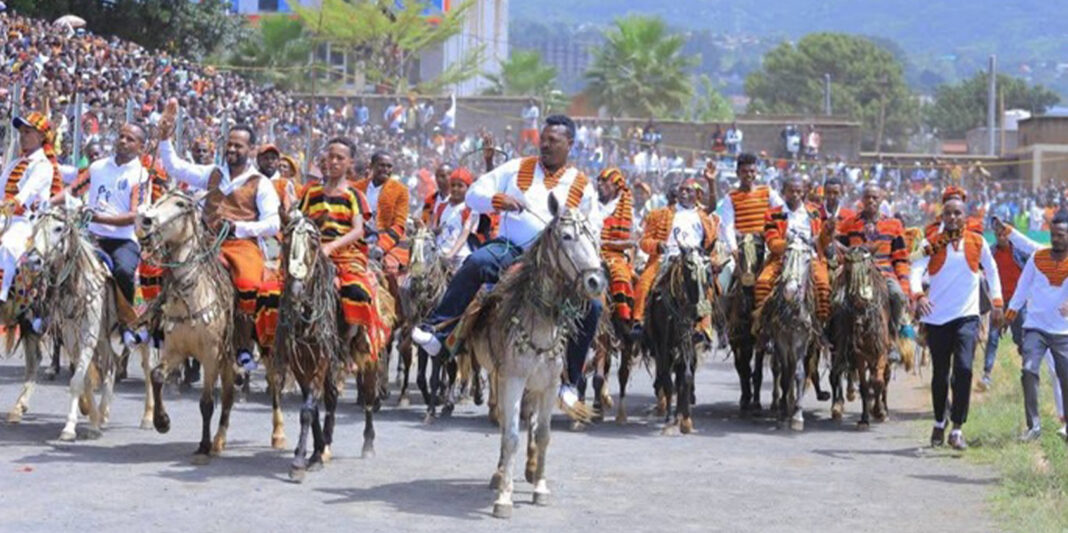
The festival culminates in Goolo-Igetta, a grand day of collective celebrations featuring horse riding, traditional music, and the final blessings of the elders. Beyond festivity, Gifaataa serves as a space for mediation, cultural transmission, and even matchmaking — offering youth the opportunity to choose partners under community guidance.
Gifaataa holds a vital place in Wolaita’s cultural identity. Knowledge and practices surrounding the celebration are transmitted through family traditions, schools, local cultural associations, and community media. It promotes peace, solidarity, intergenerational dialogue, and respect for ancestral customs — qualities that resonated strongly with UNESCO’s selection criteria for inclusion on the heritage list.
By recognizing Gifaataa as part of the world’s intangible cultural heritage, UNESCO highlights the Wolaita people’s enduring commitment to harmony, environmental stewardship, and community resilience. The inscription not only honors Ethiopia’s rich cultural diversity but also encourages continued safeguarding and documentation of living traditions that bind communities across generations.