An International Monetary Fund (IMF) assessment has highlighted Djibouti’s economic prospects, forecasting sustained growth primarily fueled by the expanding market in neighboring Ethiopia. The report emphasizes a strong economic integration that is expected to protect Djibouti from regional competition while increasing demand for its essential port services.
Ethiopia’s vast and growing market, along with a series of major joint infrastructure projects, are identified as key factors that will enhance demand for Djibouti’s maritime services.
The IMF asserts that this deep economic integration and shared development agenda will safeguard Djibouti from potential revenue losses.
As other regional ports compete for trade, Ethiopia’s rapid growth and the collaboration between the two nations are anticipated to mitigate any revenue reductions resulting from trade diversion.
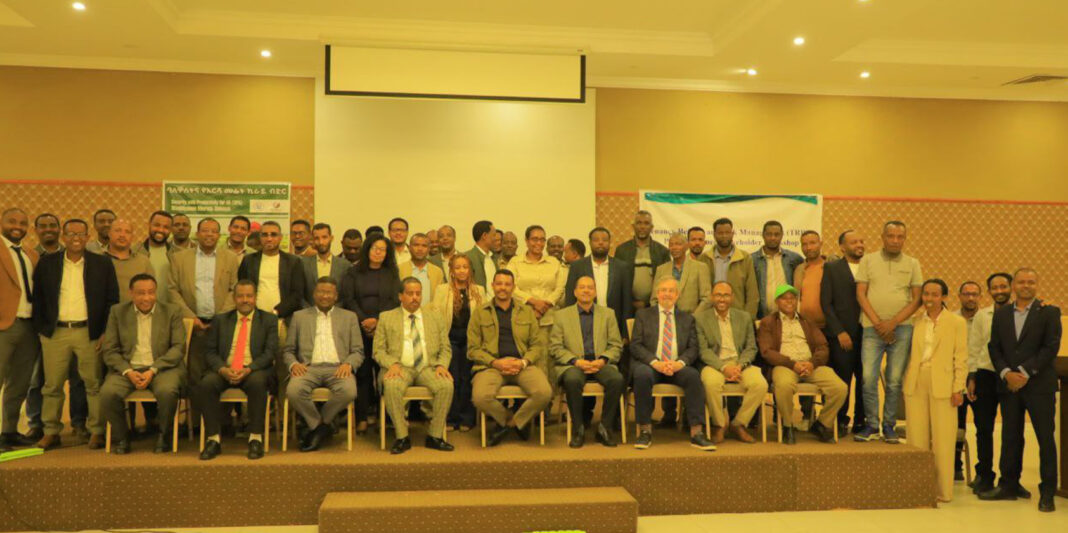
The IMF mission, led by Esther Pérez Ruiz, concluded its visit to Djibouti this week, highlighting the significance of Ethiopia’s expanding economy—currently the world’s most populous landlocked nation—and the ongoing infrastructure projects as crucial drivers. This collaboration is expected to “mitigate revenue reduction” from potential trade shifts to other regional ports.
For 2025, growth is projected at a robust 6.5%, bolstered by strong port activity and vibrant construction, transportation, and retail sectors. Although growth may slightly moderate from 2024 due to reduced transshipment volumes, the medium-term outlook remains positive, with growth anticipated to stabilize around 6% from 2027 onward, supported by demand from Ethiopia.
Inflation has notably dropped from 2.1% in 2024 to zero in 2025, due to falling food prices. Fiscal discipline is also improving, with the deficit estimated to have narrowed sharply to 0.7% of GDP in 2025, down from 2.7% the previous year, and a balanced budget is expected in 2026.
“Djibouti’s economic outlook faces several risks,” Pérez Ruiz noted, citing rising regional tensions and potential trade diversions. However, she emphasized that “Ethiopia’s rapid growth and ongoing joint infrastructure projects with Djibouti” are likely to counterbalance these challenges.
To ensure long-term stability, the IMF has outlined several policy priorities. Authorities are concentrating on restoring debt sustainability through fiscal consolidation and negotiations with creditors. Key measures include enhancing tax enforcement, reducing exemptions, revising military lease agreements, and securing higher dividend payments from state-owned enterprises.
Maintaining the integrity of the currency board arrangement is crucial, which involves strengthening central bank autonomy and rebuilding foreign exchange reserves. The IMF recommended establishing a clear reimbursement plan to address outstanding government overdrafts, identifying central bank profits, SOE dividends, and military base income as potential reserve-building sources.
The financial sector remains robust, and Djibouti is progressing in its anti-money laundering and counter-terrorism financing frameworks. Looking ahead, the IMF reiterated the objectives of Djibouti’s National Development Plan for 2025–30, highlighting the necessity for increased investment in health and education, along with reforms to enhance the efficiency of state-owned enterprises and the energy sector.
“These steps are essential to fostering employment and developing a more diversified and competitive economy,” the statement concluded.
The IMF mission expressed gratitude to Djiboutian authorities for their cooperation and open dialogue, indicating a commitment to maintain close engagement as the nation navigates its promising yet complex economic path.