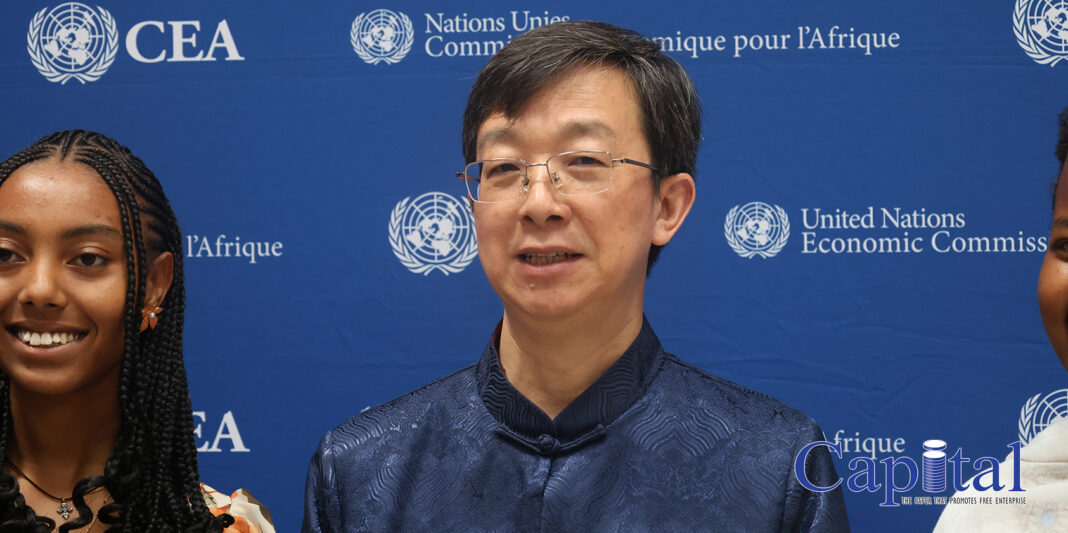
The 17th United Nations (UN) Chinese Language Day held in Addis Ababa on Thursday carried added significance as 2026 is designated the year of China-Africa people-to-people exchanges, according to the Head of Mission of China to the African Union (AU) and Economic Commission for Africa (ECA), Jiang Feng.
Speaking at the UN Economic Commission for Africa (UNECA)-hosted event, Jiang said language is far more than a means of communication. It also serves as a vehicle for cultural heritage and a bridge that connects hearts.
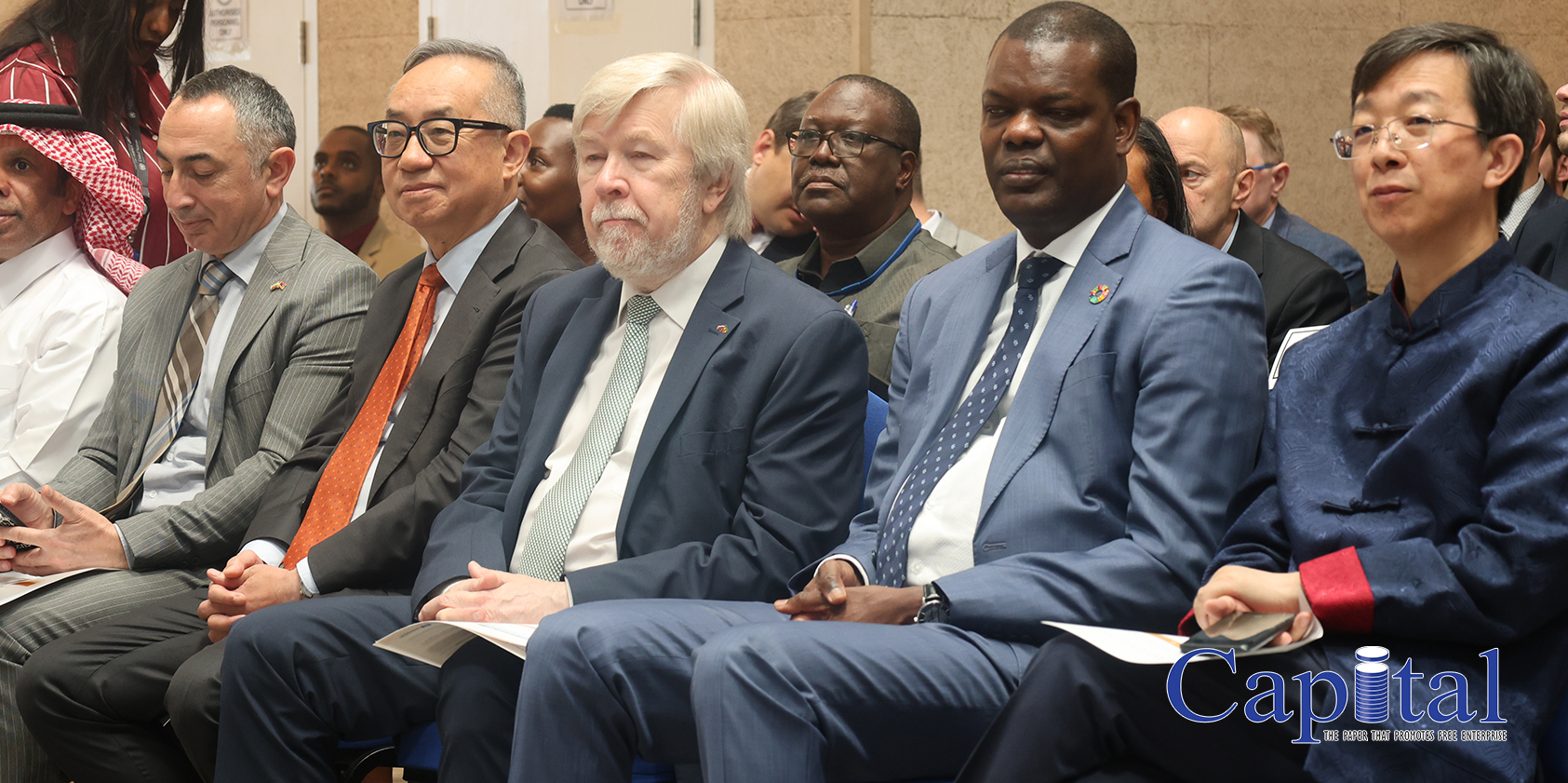
“Language is not only a tool for changing ideas, but also a carrier of cultural heritage and a bridge connecting hearts,” Jiang said, adding that China’s language education efforts across Africa have become a “hallmark” of China-Africa cultural exchange.
He highlighted the role of Confucius Institutes, noting that their programmes are tailored to local needs through blended language-and-skills training. Among the examples he cited were “China-for-agriculture technology” and “China-for-medical training,” reflecting a broader approach that links language learning with practical capacity-building.
Jiang also linked the enduring global appeal of the Chinese language to the worldview of Chinese civilization. He described it as carrying values of brotherhood, the symbiotic coexistence between humanity and nature, and aspirations for universal harmony.
In his remarks, UNECA Office Executive Secretary Chief of Staff, Aboubakri Diaw, described Chinese as remarkable for its integrity and continuity, as well as its precision and depth.
Diaw said Chinese embodies a major intellectual tradition in which writing is both a practical instrument and an art form—sometimes also functioning as a discipline and even a philosophy.
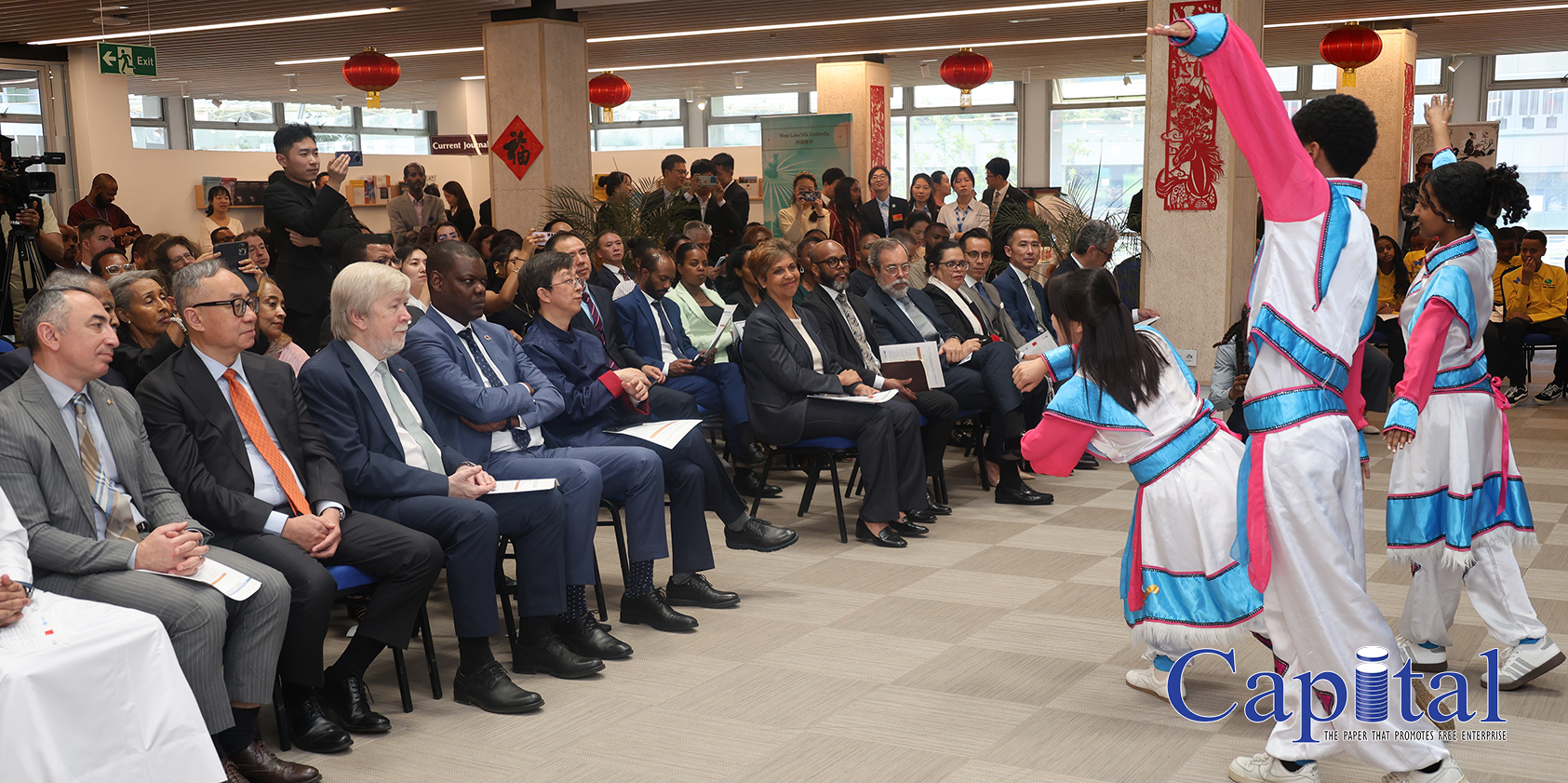
He further emphasized that the celebration reflects the importance of multilingualism beyond translation and document work, describing it as a matter of dignity. Diaw said multilingualism ensures that international systems do not privilege a single voice, tradition, or way of framing reality.
“The celebration today reflects that multilingualism is fundamental to dignity and ensuring fairness in international dialogue,” Diaw said.
Hosted at UNECA under the theme “Chinese: lighting up your colorful dreams,” the event brought together diplomatic representatives, UN staff, students, and members of the Chinese community.
Addressing participants, Jiang Feng said the establishment of the UN Chinese Language Day not only highlights the importance of the Chinese language, but also reflects the United Nations’ commitment to promoting language equality and cultural diversity.
He described the Chinese writing system as a living cultural inheritance—passed down and used for thousands of years—capturing the beauty of sound, form and meaning.
Diaw framed language as a gateway to understanding, describing it as a way of thinking and a means of interpreting the world. He said multilingualism at the United Nations is not symbolic, but fundamental to fairness and dignity—ensuring that all traditions and voices are respected in international discussions.
“Multilingualism is fundamental to dignity and equality,” Diaw said, linking cultural diversity directly to the UN’s mission and to development work across Africa.