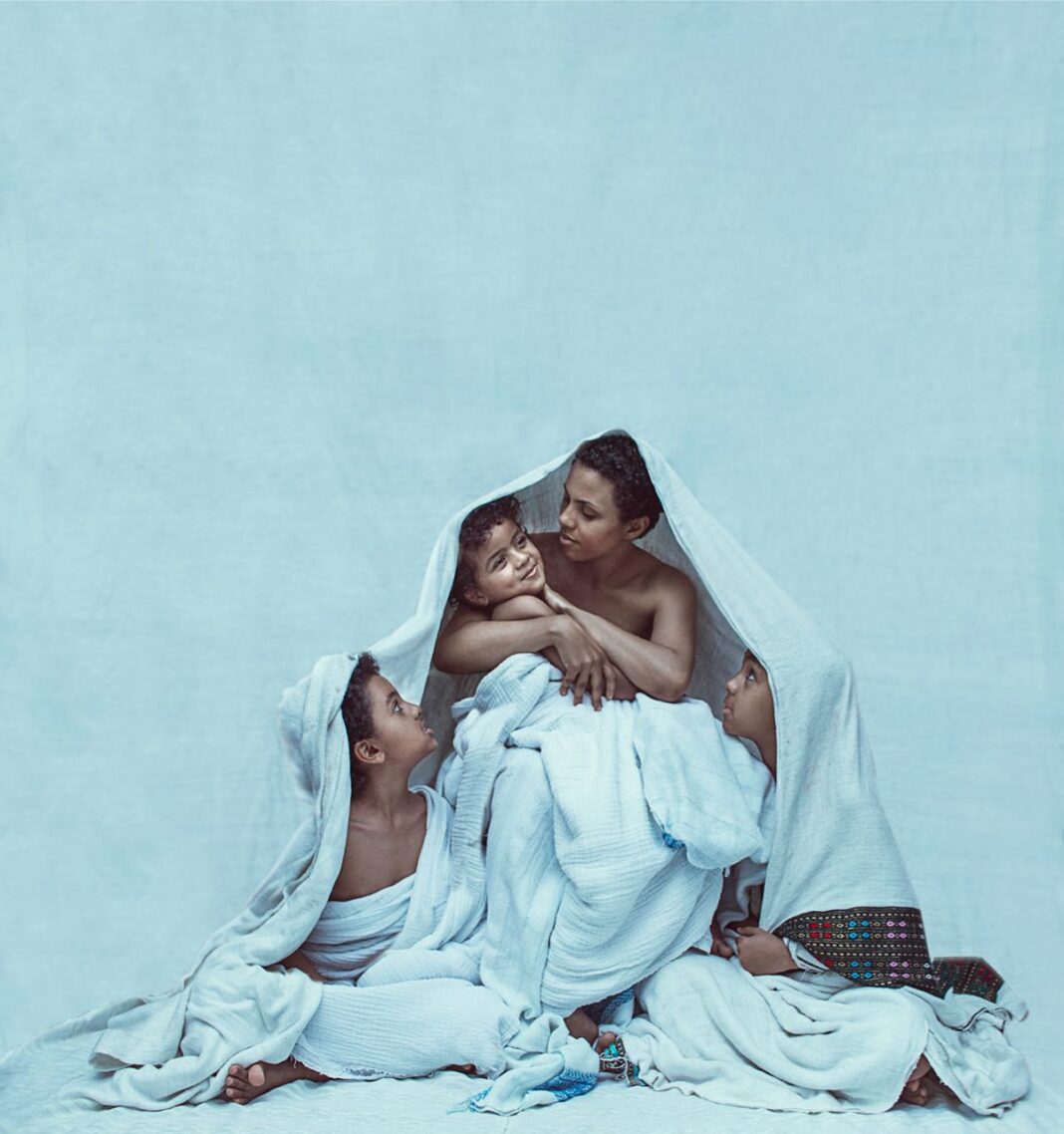
Ethiopia’s art scene has entered a new digital era with the inauguration of the country’s first artificial intelligence art exhibition at Artawi Gallery.
The exhibition, titled Tales and Dreams, opened on April 25, 2026 and features works created entirely with AI under the curation of visual artist Mekbib Tadesse. Organizers say the show marks a major cultural moment for Addis Ababa, bringing AI-generated art into the public eye for the first time in the country.
Mekbib, who has spent the past 13 years working in photography and image composition, said the exhibition grew out of ideas he began developing three years ago. He said he first documented the concepts through notes and sketches, before later using AI tools over the past nine months to turn those imagined scenes into finished images.
He said the process allowed him to transform stories and folktales that had long existed in his imagination into visual form without the heavy production costs usually required for such projects.
The artist said the exhibition is not simply about technology, but about expanding the role of imagination in art. He argued that AI should be seen as a creative partner rather than a threat to human labor, saying the tools help fill gaps artists may not have been able to bridge on their own.
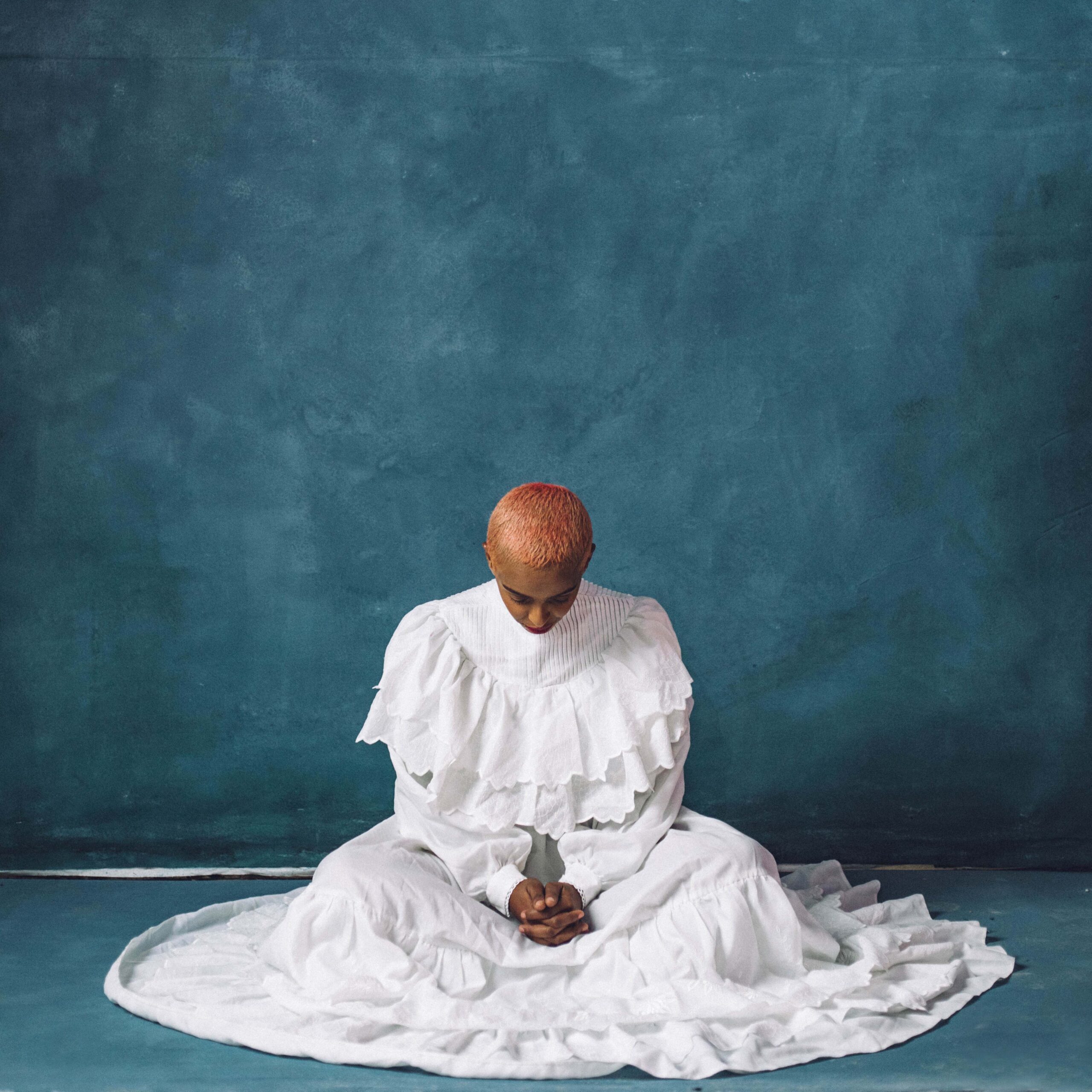
At the heart of the exhibition is a question Mekbib says is central to the debate around digital art: whether a photographer or visual artist can think without a camera or tool. He said AI still depends on human ideas, literacy and direction, and cannot produce meaningful work without them.
Mekbib believes the technology could be especially valuable for African artists, whom he says are often boxed into narrow expectations. He said AI can help creators present Ethiopian stories and cultural narratives with stronger visual quality while lowering the cost of production.
The exhibition also invites viewers to think differently about what art is and how it is made. Rather than focusing only on technical execution, organizers say visitors are being encouraged to consider the creative process that begins before the final image appears.
Mekbib also urged fellow professionals to invest in reading, research and conceptual thinking before using AI tools. He said the quality of a prompt depends on the depth of the person using it, and weak preparation will only produce ordinary results.
Alongside the exhibition, Artawi Gallery has organized a panel discussion with artists, academics and professionals to explore the place of technology in Ethiopia’s creative sector.
Visitors at the opening said the exhibition challenges long-held assumptions about art and ownership while showing how new technology can support rather than replace human creativity. Some said the gallery’s decision to host the show could encourage others in the industry to engage more openly with AI.
For many attendees, Tales and Dreams is more than an exhibition. It is a sign that Ethiopian art is beginning to engage with a global technological shift while finding new ways to tell local stories.