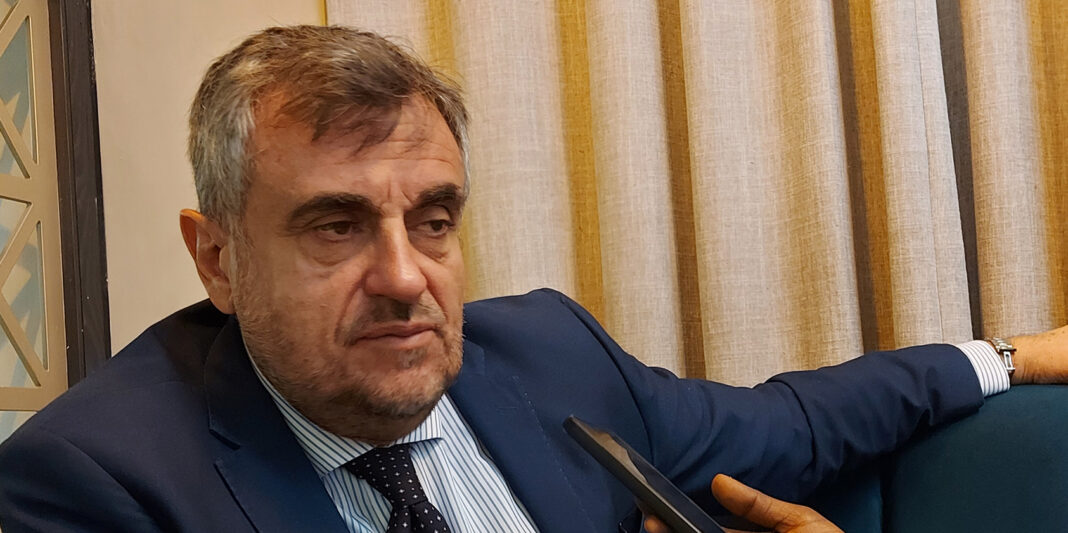
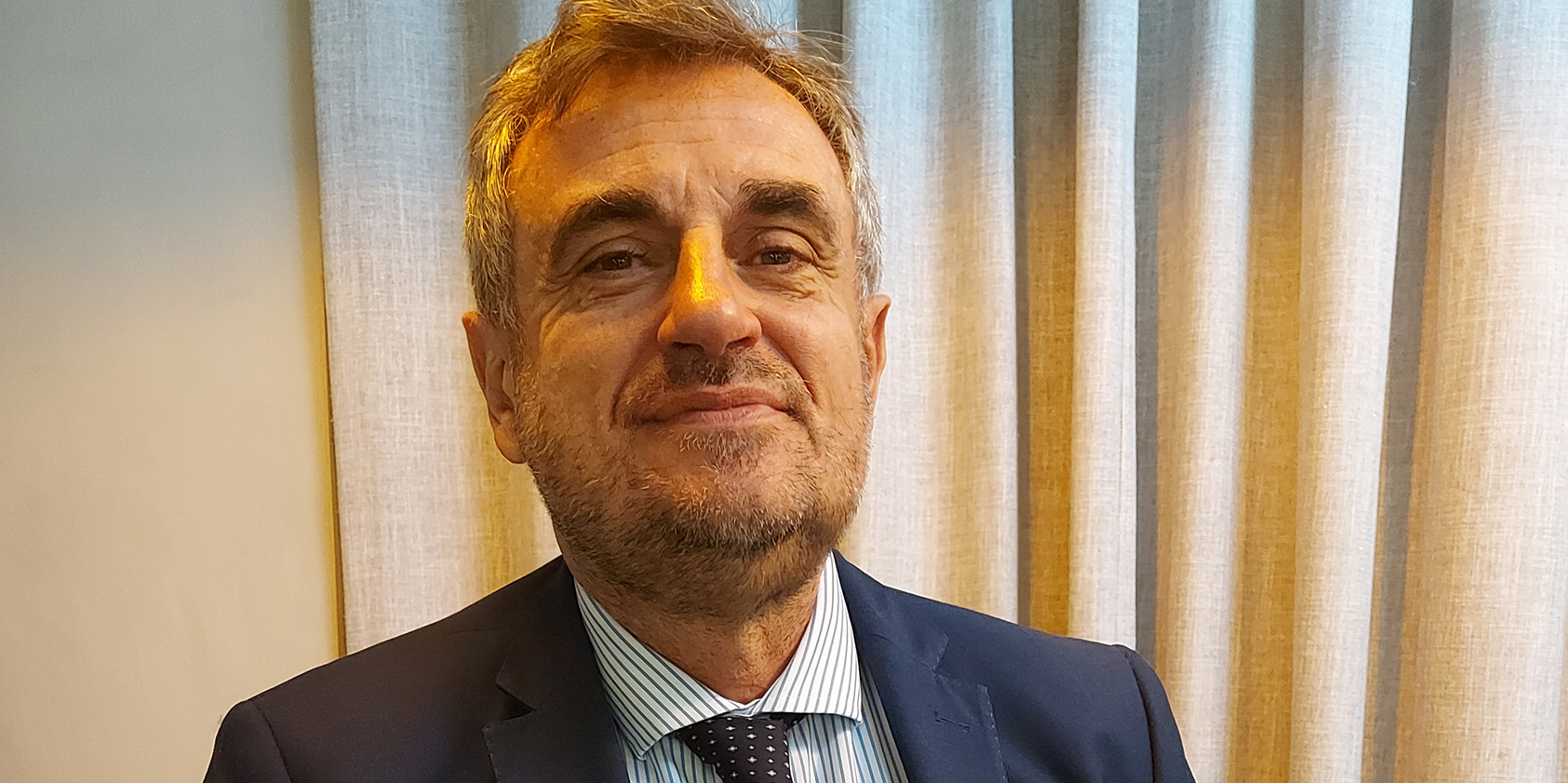
In this interview with Capital’s Eyasu Zekarias, Claudio Pasqualucci, Trade Promotion Commissioner at the Italian Embassy in Addis Ababa, discusses the changing trade and investment landscape between Italy and Ethiopia, from the Mattei Plan and major infrastructure financing to banking reforms, coffee, and new opportunities in mining and manufacturing. He says the relationship is moving from recovery to expansion, but still needs stronger trade flows, better awareness among Italian firms, and faster implementation of key projects. Experts;
Capital: How would you describe the current bilateral trade relationship between Italy and Ethiopia compared to three years ago? What are the primary factors driving this change?
Claudio Pasqualucci: To understand the present, we must look back three or four years. Prior to COVID-19, Ethiopia was experiencing a significant socio-economic boom. Just months before the pandemic, we hosted a business forum featuring high-caliber Italian companies, and the outlook was incredibly promising. However, the pandemic hit Ethiopia and the world hard, causing bilateral trade to decline sharply.
Today, Ethiopia is recovering well. Several key reforms have been implemented, and trade is on an upward trajectory. That said, the current volume is not yet sufficient. In 2025, bilateral trade did not reach €400 million , which is modest considering the size of our industries, the potential of the Ethiopian market, and our decades-long relationship.
Our goal for the next two to three years is to double exports. We also want to increase Ethiopian exports to Italy—specifically in sectors like coffee. Italy does not produce coffee, yet we lead the world in coffee processing. We need high-quality Ethiopian coffee to sustain our industry. This presents a bridge for Italian companies to invest here, bringing in technology for roasting, selecting, cleaning, and packaging. There is a vast amount of untapped potential for collaboration.
Capital: What is the current volume of trade between Ethiopia and Italy, and are there specific strategies aimed at expanding access for Ethiopian products to the Italian market?
Claudio Pasqualucci: As mentioned, bilateral trade reached approximately €400 million last year. While positive, it remains below our targets. Our primary strategy is to increase awareness among Italian companies regarding the specific opportunities in this market.
We recently concluded the “Big 5 Construct Ethiopia,” where 20 Italian companies participated; several are already in talks with local partners. We are also bringing high-level business delegations to the country. Last year alone, we invited around 100 Ethiopian companies to visit major trade fairs in Italy, such as ‘Salone del Mobile’ for furniture and Macfrut for agro-technology. We select these buyers specifically to match them with Italian expertise.
Capital: Italy has placed Ethiopia at the center of its “Mattei Plan.” Over the past year, how has this strategy altered the volume and composition of trade between Rome and Addis Ababa?
Caudio Pasqualucci: The Mattei Plan is a comprehensive, win-win cooperative approach designed by the Italian government to develop sustainable projects that benefit both Italian and African industries. Ethiopia was the first country included in this initiative. Prime Minister Giorgia Meloni’s two visits in the last six months underscore our government’s commitment.
However, this is a partnership. We are highly encouraged by the “Pro-Business” reforms Ethiopia is implementing. In the year I have been in Addis Ababa, I have seen the country open up significantly through fiscal, banking, and foreign investment reforms. These changes create far greater opportunities for Italian trade and investment than existed previously.
Capital: More than 20 Italian companies participated in Big 5 Construct Ethiopia 2026. What were the key breakthroughs achieved during this event?
Claudio Pasqualucci: This year was exceptional, partly due to the new convention center, which provides a world-class venue for international trade. This infrastructure reflects Ethiopia’s ambition to level up its trade capabilities.
While specific bilateral agreements between private companies are confidential, our “customer satisfaction” surveys showed the highest possible ranking (5/5) regarding the quality of business meetings. Some Italian firms are currently in active negotiations to form local partnerships.
Capital: What are the primary challenges Italian exporters currently face, and how is the Italian Trade Agency (ITA) mitigating these hurdles?
Claudio Pasqualucci: The primary challenge is that some Italian firms are not yet fully aware of Ethiopia’s industrial evolution. We are bridging this gap by organizing trade missions and site visits.
Furthermore, Italy is actively supporting Ethiopia’s accession to the WTO. This is a critical step. Once Ethiopia is fully integrated into international trade dynamics and regulatory frameworks, the environment for Italian companies will become more predictable and automated.
Capital: The bilateral debt restructuring agreement signed in March 2026 was a milestone. How has this impacted risk insurance premiums for Italian companies?
Claudio Pasqualucci: The landscape has shifted favorably. Before COVID, Italian credit agencies were very active here but pulled back due to financial instability. Now, the wheel has turned. Agencies like SACE (export credit) and SIMEST (which incentivizes joint ventures) are becoming active in Ethiopia again.
Most importantly, the opening of the local banking system is a game-changer. Key Ethiopian banks can now operate within international circuits, allowing investors to repatriate revenues. This was a major limitation in the past. Ethiopia’s renegotiations with the IMF and its commitment to debt obligations have strengthened economic fundamentals, signaling to international donors and investors that the country is open for business.
Capital: Following recent macroeconomic reforms, is “forex shortage” still considered the primary obstacle?
Claudio Pasqualucci: The situation is evolving rapidly. The reform allowing profit repatriation is only a few months old, but it is a massive step forward. We are seeing more international conventions being hosted in Addis, which shows that the world sees Ethiopia not just as a logistical hub, but as a financial one.
With a market of 120 million people—15% of whom we believe represent a high-spending “middle class”—there is a huge opportunity for Italian consumer goods. I aim to bring more “affordable luxury” in fashion, food, and interior design to Ethiopia. Italian products are often perceived as expensive, but when you account for quality, durability, and design, our costs are highly competitive.
Capital: Rome is focused on the Koysha Hydroelectric Project and the Bishoftu Airport expansion. What is the timeline for financing these projects through SACE and CDP?
Claudio Pasqualucci: The timeline depends largely on the Ethiopian authorities. However, I can confirm that major Italian players are extremely interested and are ready to bring their entire supply chains with them. We held a preparatory event just before the Big 5 exhibition. We are standing by for the release of the tenders for the new airport lots. Once the tenders are live, we are prepared to provide the necessary financing structures through SACE and CDP.
Capital: Is there interest from Italian banks to establish a presence in Addis Ababa?
Claudio Pasqualucci: We are working on it. Having an Italian banking presence here would be a significant asset for our investors. Conversely, I want to encourage Ethiopian banks to visit Italy to promote themselves within our banking system and build stronger ties.
Capital: How are you addressing the logistical challenges of Ethiopia being a landlocked country?
Claudio Pasqualucci: While Ethiopia is landlocked, it possesses a world-class logistical engine in Ethiopian Airlines Cargo. This helps mitigate many geographic limitations. Looking ahead, we hope for a more stable situation in the Horn of Africa, which could lead to broader diplomatic agreements regarding port access in the region.
Capital: Are there active Joint Venture initiatives to process Ethiopian raw materials using Italian technology?
Claudio Pasqualucci: Yes, the ITA is drafting a three-year project to provide Italian companies with better access to critical raw materials in Ethiopia. For example, Ethiopia is a major source of Tantalum, which is vital for the aerospace industry due to its heat resistance. Given Italy’s advanced aerospace sector, this is a natural fit. Our first year focuses on mapping these minerals, followed by pilot projects to bring Italian technology directly to Ethiopian mining and processing sites.