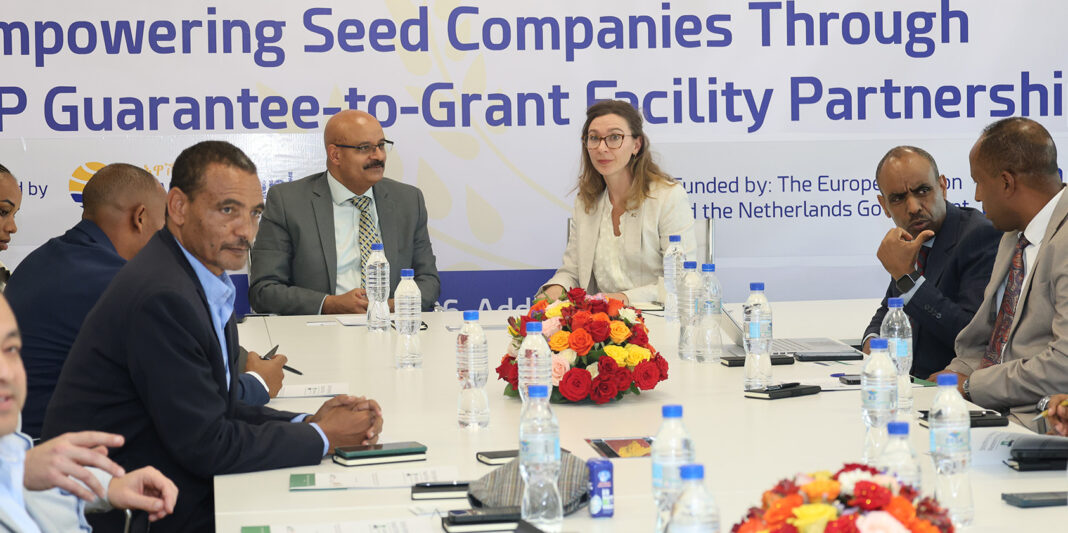
Resilience Ethiopia, a partner of the Ethiopian Seed Partnership (ESP), has issued a call to the country’s financial institutions to address the severe financing shortage in the agricultural sector. The organization made this appeal highlighting the significant funding gap that is currently hindering Ethiopia’s food security system.
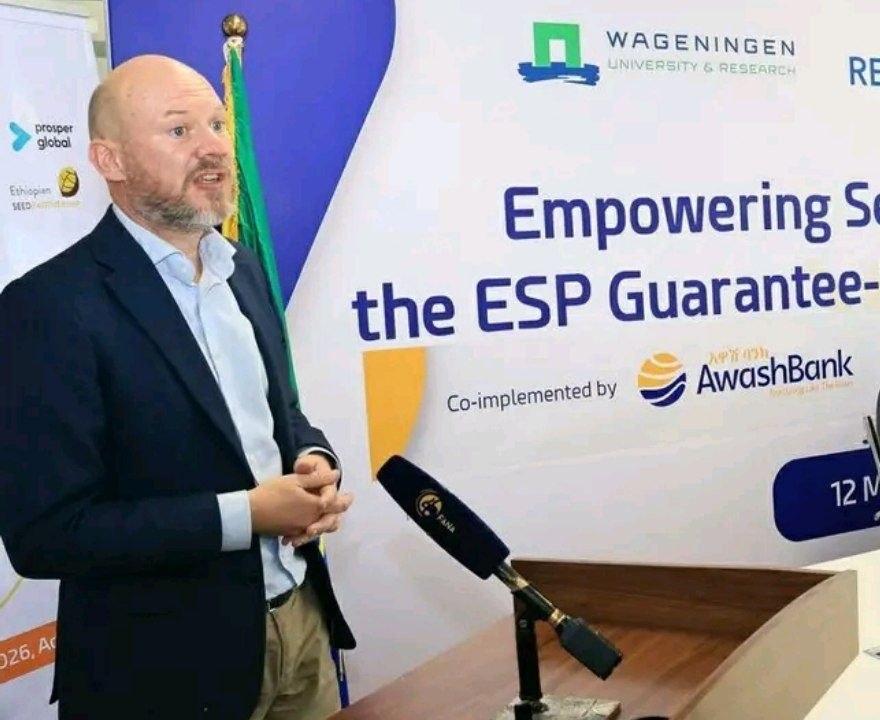
Joep van den Broek, General Manager of Resilience Ethiopia, told Capital that banks are currently required by a directive to allocate about 5% of their loan portfolio to agriculture, but the banks are failing to achieve this. He emphasized that 5% is very low and should instead be 10%.. He noted that private banks hesitate to lend to agribusinesses because the sector is perceived as “high risk,” rather than basing decisions on actual loan repayment data. This information gap prevents Ethiopia’s seed sector from reaching its full potential.
Agriculture remains the backbone of the Ethiopian economy, contributing significantly to the GDP, providing a livelihood for the majority of the population, and serving as the primary source of foreign exchange.
Despite this, the sector faces a massive credit supply problem. Most private banks prefer sectors like real estate, manufacturing, and urban trade because they offer easily verifiable collateral, such as buildings and vehicles.
“We understand that interest in the agricultural sector is limited among all banks,” van den Broek said. “Banks are particularly hesitant to lend to the seed sector. Through our initiative, we hope to demonstrate that there are many reliable agricultural companies with lower risks than the industry perceives.” Because the seed production process requires significant upfront capital for inputs and farmer payments before harvest, companies often face acute cash shortages.
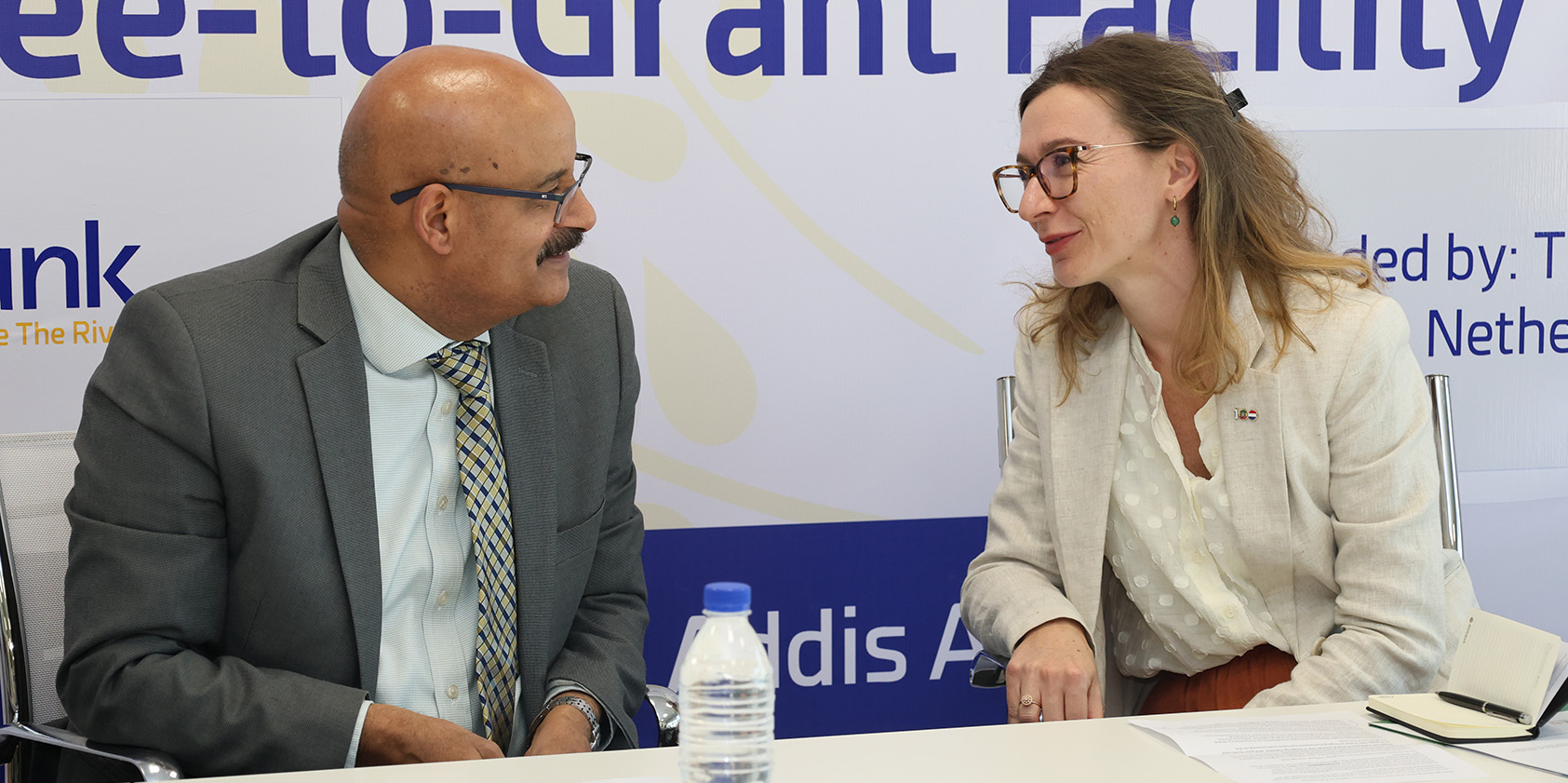
To solve this, the Ethiopia Seed Partnership (ESP) project—a collaborative program funded by the Embassy of the Kingdom of the Netherlands and the European Union—developed in partnership with Stichting Wageningen Research (SWR), Awash Bank, and Resilience Ethiopia, introduced an innovative financing product called “Guarantee to Grant” (G2G). This model strengthens the limited collateral of seed companies with a cash guarantee from the ESP, allowing companies to access loans double their own capacity. The first round was successful, with 400,000 Euros in cash guarantees allocated to 12 companies.
Yohannes Merga, Senior chief marketing officer at Awash Bank, stated that under this framework, the bank provided loans ranging from 6 million to 18 million ETB based on the borrower’s capacity and repayment performance.
This financing enabled seed companies to purchase over 830 tons of certified seeds from contract growers and invest in vital inputs and irrigation. As of April 2026, funds have also been used for fertilizer purchases, land rentals, and the construction of 200 hectares of irrigation infrastructure.
One of the key successes of this partnership is the extremely low loan default rate, achieved through a rigorous three-stage screening process. Companies are selected based on a four-year history of growth and quality control, followed by Awash Bank’s strict business viability audit. Furthermore, when a company repays its loan in full, a portion of the guarantee fund is returned to them as a grant to reinvest in fixed assets. This ensures the relationship between the bank and the agribusiness remains professional, sustainable, and purely commercial.
While production is increasing, experts believe the Ethiopian market still has vast unmet demand. “Demand still far exceeds supply,” van den Broek explained to Capital. “If you go to rural areas, farmers are always looking for quality seeds and fertilizer. There is always a shortage.”
The ESP project aims to double the private sector’s seed production capacity, a goal now expected to be reached by early 2027—well ahead of the project’s December 2027 deadline. This model is now being eyed as a blueprint for other sectors within Ethiopia’s agricultural finance system.