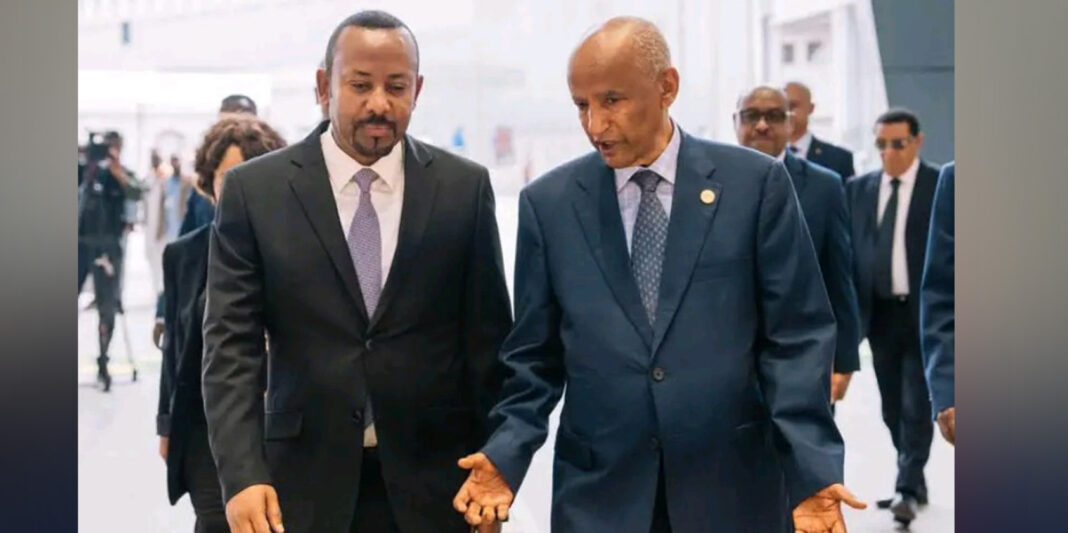
Ethiopia is stepping up preparations to host the 32nd United Nations Climate Change Conference, COP32, in November 2027, in what officials say will be a major opportunity to position Addis Ababa as a hub for global climate diplomacy.
The country was unanimously selected by the Africa Group of Negotiators and formally recognized at COP30 in Brazil, paving the way for Ethiopia to take on one of the most significant roles in international climate negotiations. Dr. Gedion Timothewos, Minister of Foreign Affairs and COP32 President-Designate, is leading the national committee overseeing the conference’s planning, logistics and policy coordination.
The government says the hosting is a reflection of Ethiopia’s growing climate profile, built on initiatives such as the Green Legacy campaign and investments in renewable energy. But officials also acknowledge that the road to 2027 will be challenging, especially at a time of global instability, political tensions and energy crises.
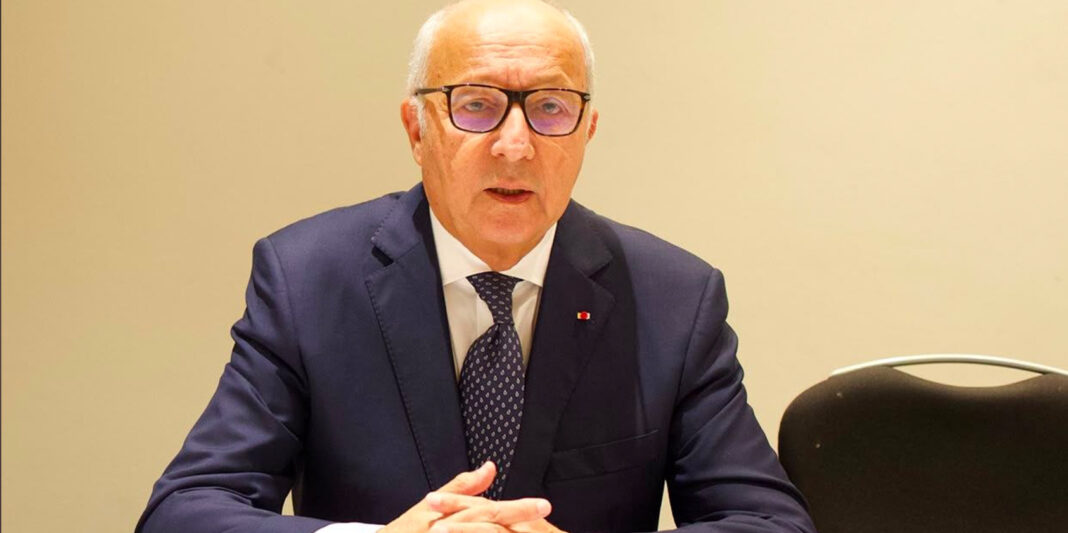
Former COP21 President Laurent Fabius, who recently visited Addis Ababa, described the current international situation as a “dangerous paradox.” He said the world now faces mounting pressure to act on climate change while political will for tough measures continues to weaken in many countries.
Fabius said the priority should no longer be limited to announcing new commitments, but to ensuring that existing promises are actually implemented. He warned that climate diplomacy is becoming more difficult as countries are pulled in different political and economic directions, making consensus harder to achieve.
With about 50,000 delegates expected to attend COP32, Ethiopia sees the summit as a chance to reshape international perceptions of Africa’s role in the climate conversation. Officials want to show that the continent is not only suffering the effects of climate change, but also generating practical solutions that can be scaled globally.
The country’s strategy is expected to focus on turning climate pledges into real financing, strengthening fairness in the global green transition, and accelerating projects such as methane reduction, large-scale reforestation and clean cooking technologies.
Fabius said these are areas where meaningful progress can be made relatively quickly if governments, financiers and the private sector work together. He also stressed the importance of Article 6 of the Paris Agreement, which deals with carbon markets and international cooperation on emissions reduction.
According to Fabius, climate diplomacy has become inseparable from broader international relations, making the role of Ethiopia’s Foreign Ministry especially important in the run-up to the conference. He said technical issues such as finance, mitigation and private-sector participation are common to all COP meetings, but the political context today is far more difficult than it was in 2015 when the Paris Agreement was adopted.
Even so, Fabius said climate conferences remain essential despite their imperfections. He argued that they provide a necessary platform for accountability and for keeping global attention on climate action, equity and adaptation financing.