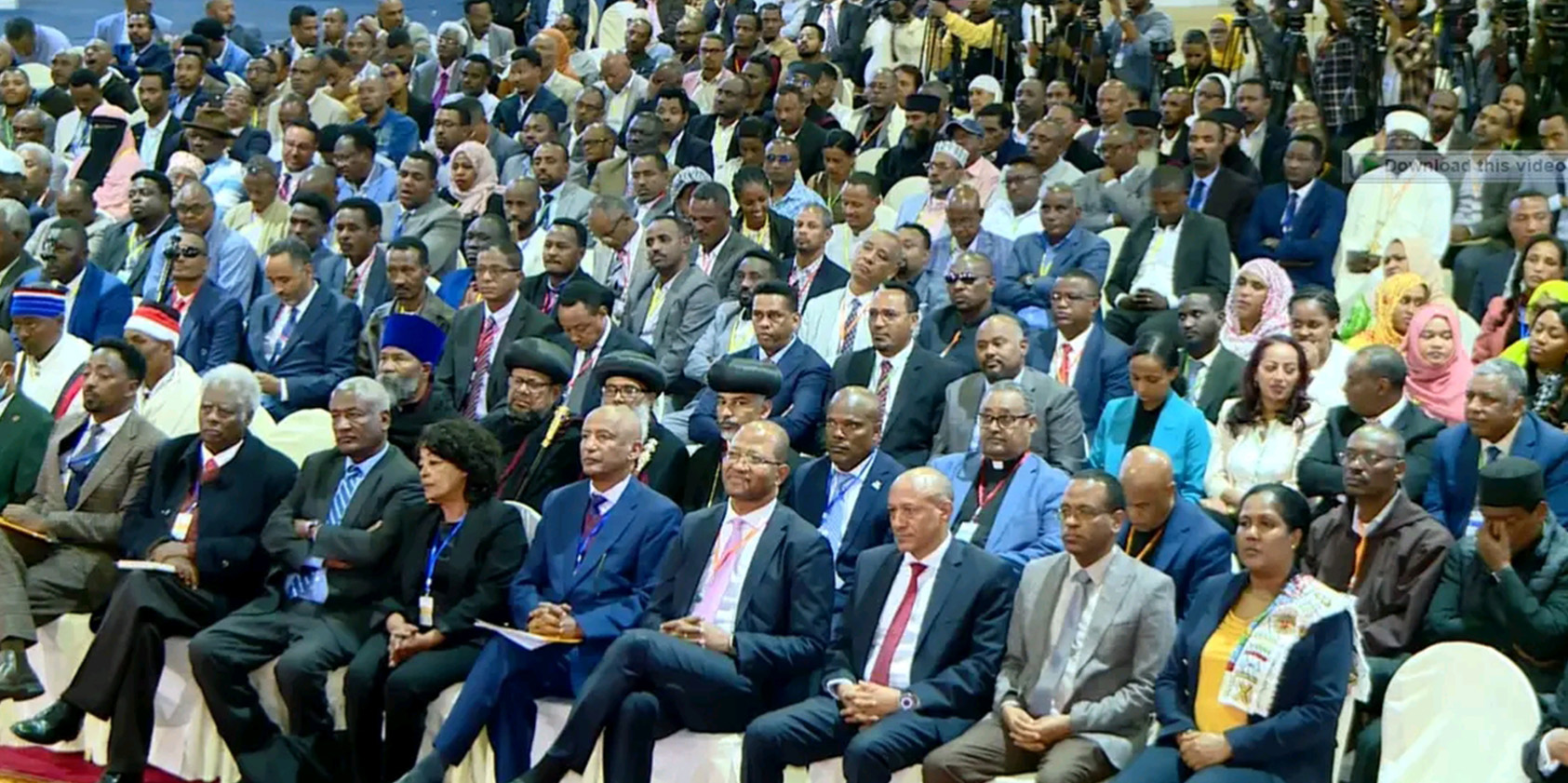
The National Dialogue Conference opened on July 15, 2026, bringing together 4,000 representatives from across the country in a historic effort to lay the groundwork for possible constitutional reform.
The conference is expected to examine some of the most sensitive questions in the country’s political life, including federalism, citizenship and the constitutional amendment process. For years, the constitution has been at the center of political debate, with competing views over whether it has strengthened unity or deepened division.
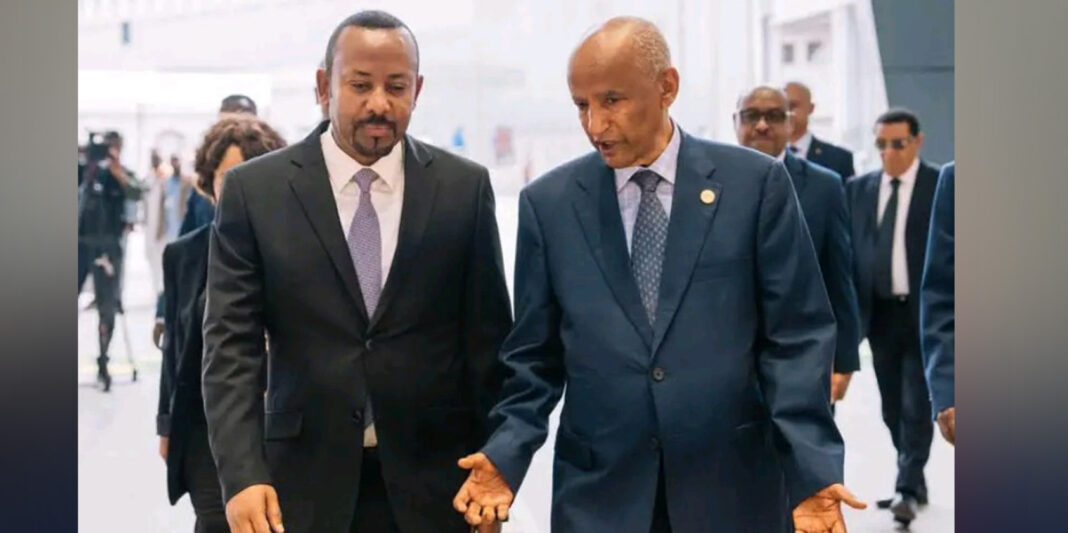
Prime Minister Abiy Ahmed said the consultation is intended to ensure that any future constitutional changes are based on broad national consensus rather than the interests of successive political groups. He said the goal is to create a more stable constitutional order that cannot be easily altered or replaced.
A major focus of the dialogue is the balance between the right to self-determination and the responsibilities of shared national citizenship. Participants are also expected to review the definition of nations, nationalities and peoples under Article 39, Sub-Article 5, with the aim of aligning regional identities with a broader national framework.
The Prime Minister said past constitutional processes were often shaped by limited perspectives, and said the current assembly is meant to create a “social contract that future generations will honor.” He added that if the current generation of representatives can reach consensus, future constitutional changes should also pass through a similarly inclusive process.
The National Dialogue Conference is the result of consultations led by the Ethiopian National Dialogue Commission, which brought together representatives from more than 1,200 districts, as well as civil society groups, religious institutions, youth, women and marginalized communities.
The commission has outlined eight main agenda areas for discussion over at least three weeks. These include nation-building, government structure and electoral systems, federal cities, religious affairs, institutional building, social and economic issues, corruption and good governance, and peace-building.
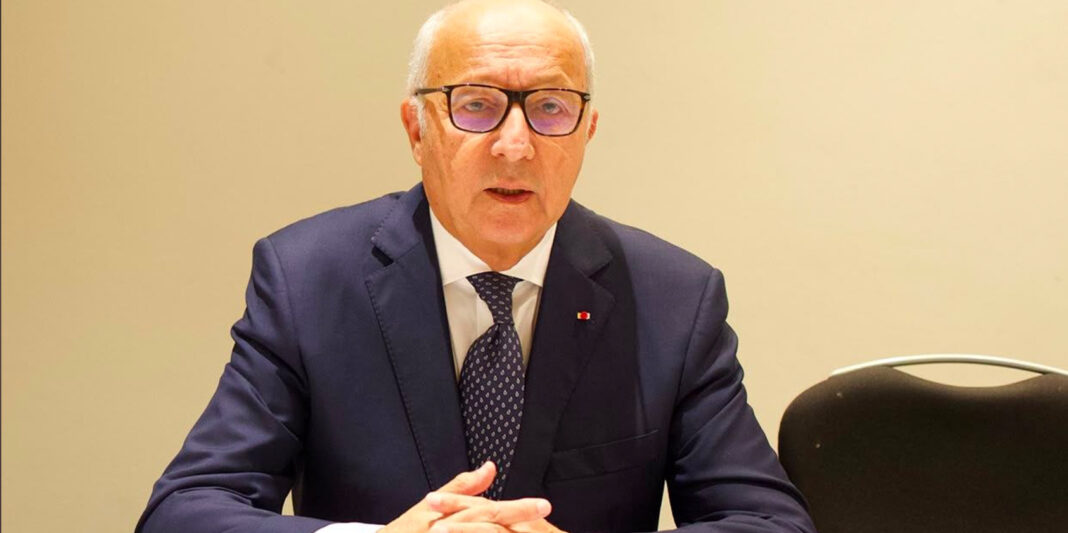
Opening the conference, Chief Commissioner Mesfin Araya said Ethiopia has long faced difficult questions about politics, systems and competing opinions. He said differences of opinion are not a problem in themselves, but become dangerous when they are addressed through conflict instead of dialogue.
“We have reached this historic conference through careful, participatory and scientific preparations carried out by the commission since its inception,” he said, adding that the process of identifying participants, gathering agendas and raising public awareness had strengthened the conference’s credibility.
The dialogue is expected to tackle core national questions ranging from the supreme law to identity and citizenship. Its success will depend on whether representatives can move beyond narrow interests and help build a broader national consensus.
In his closing appeal, the chief commissioner urged participants and the wider public to engage sincerely in the process “for the sake of the country’s peace and for the next generation.”