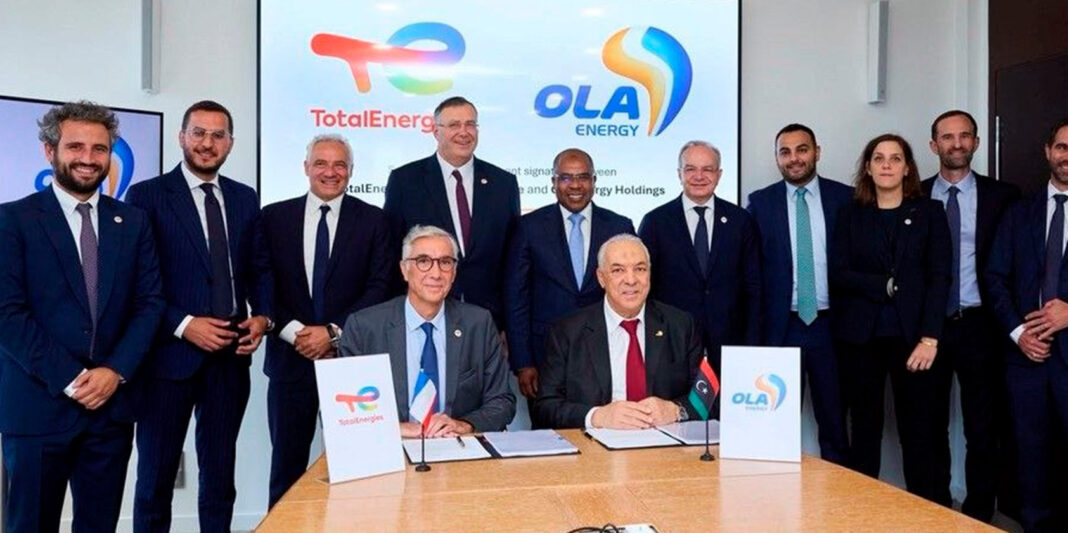
The planned acquisition of TotalEnergies Marketing Ethiopia by OLA Energy has run into a regulatory hurdle in Ethiopia, with authorities raising concerns that the transaction could reshape the fuel retail market and concentrate too much power in one company’s hands.
The two international energy companies reached an agreement in Paris at the end of June 2026, under which OLA Energy, a pan-African fuel retailer backed by Libyan state investment institutions, would acquire TotalEnergies’ assets in Ethiopia. The financial terms of the deal were not disclosed.
Sources familiar with the matter told Capital that the transaction has not been treated as a routine business transfer by Ethiopian authorities. The Ethiopian Trade Competition and Consumer Protection Authority, which reviews mergers and acquisitions that may affect competition, has temporarily halted the approval process amid concerns that OLA Energy’s combined market share could approach half of Ethiopia’s fuel retail market.
Regulators are particularly worried that the acquisition could create a dominant market position and increase the risk of fuel supply disruptions if the company later scaled back or withdrew operations, the sources said.
The suspension was confirmed by sources at the Ministry of Trade and Regional Integration, which oversees the authority. They said the move falls within the legal mandate of the regulator to assess competition risks in mergers and acquisitions.
OLA Energy and TotalEnergies are already among the major players in Ethiopia’s downstream petroleum market. If approved, the merged operation would reportedly become larger than the National Oil Company, which currently holds a significant share of the market.
Officials and sources said the concern is that one company controlling such a large portion of the fuel market could create vulnerabilities in distribution and potentially influence prices. Any future operational problems or exit by a dominant player, they said, could have wider implications for fuel availability across the country.

The deal would transfer TotalEnergies Marketing Ethiopia’s downstream assets to OLA Energy, including more than 120 fuel stations in major cities, a 13,000-cubic-meter storage terminal in Dukem, other storage facilities, aviation fuel operations at Bole International Airport, lubricant businesses, digital payment systems and logistics infrastructure.
The transaction would also mark the end of TotalEnergies’ more than seven decades in Ethiopia. The French company has operated in the country since 1950, and its exit is part of a broader strategy to adjust its portfolio in some African fuel distribution markets.
The Ethiopian Petroleum and Energy Authority, the sector regulator, said it has not yet received an official submission on the merger.
Bekelech Kuma, communication director at the authority, told Capital that such deals require detailed review before completion.
“The business transfer and merger process between OLA Energy and TotalEnergies cannot be completed in a short period. It requires a detailed assessment. The Ministry of Trade and Regional Integration has its own legal framework to evaluate whether the merger creates monopoly concerns or affects market competition,” she said.
Under Ethiopia’s competition law, mergers and acquisitions that exceed certain financial thresholds must be notified to and approved by the Trade Competition and Consumer Protection Authority before completion. The authority assesses market share, supplier concentration, barriers to entry and possible impacts on consumers.
The review is carried out under Trade Competition and Consumer Protection Proclamation No. 813/2013 and Merger Guideline No. 1/2016, which are designed to prevent transactions that could significantly restrict competition.
Ethiopia’s fuel market has come under heavy pressure in recent years because of rising import costs, foreign currency shortages, fuel price adjustments and government efforts to strengthen control over fuel distribution and payment systems.
OLA Energy, formerly known as Tamoil before its 2018 rebranding, is managed under the Libyan Africa Investment Portfolio, Libya’s sovereign investment vehicle focused on Africa. The company reported a net profit of €34.5 million in 2024 and operates more than 1,350 service stations across 17 African countries.
The company has expanded its footprint through acquisitions, including fuel assets previously owned by global energy companies such as Shell and ExxonMobil.
After the agreement was signed, OLA Energy Chairman Abozid Swalem said the transaction reflected the company’s confidence in Ethiopia’s energy market.
“This agreement demonstrates our confidence in the future growth potential of the energy markets in Ethiopia and Africa,” he said.
The company has also said it plans to ensure a smooth transition after the deal is completed, while maintaining service standards, operational stability and commercial continuity.
For now, however, the transaction remains under regulatory review, with no timeline yet announced for a final decision.