The National Bank of Ethiopia (NBE) has confirmed that two foreign banking institutions have formally applied to enter the domestic market through greenfield investments, establishing new operations from the ground up rather than acquiring stakes in existing local banks.
The development is the first clear indication that Ethiopia is beginning to dismantle its five-decade-long restriction on foreign participation in commercial banking.
“Currently, there are two foreign bank applicants whose applications are being processed by the central bank,” said Frezer Ayalew, Director of the Supervision Directorate at the National Bank of Ethiopia.
He said the institutions had chosen the greenfield route, seeking to establish new, fully foreign-owned banking operations in Ethiopia.
Ethiopia’s banking sector had been closed to foreign commercial banks since 1975, when the Derg military regime nationalised the country’s banks following the 1974 revolution. After the fall of the Derg in 1991, Ethiopia authorised private domestic banks in 1994, but the sector remained reserved for Ethiopian citizens. Foreign financial institutions were barred from operating in the country or holding shares in local banks.
That restriction began to loosen with the National Payment System Proclamation issued in 2023, which opened digital-payment services to foreign investment. Safaricom M-Pesa subsequently became the first foreign investor to enter Ethiopia’s mobile financial-services market.
The more significant shift came in December 2024, when Parliament ratified the Banking Business Proclamation No. 1360/2024, ending the nearly 50-year ban on foreign participation in the banking sector.
The law, which took effect in March 2025, allows foreign banks to enter Ethiopia through three main routes: establishing wholly or partially owned subsidiaries, opening branches, or acquiring shares in existing local banks. A fourth option allows foreign banks to open representative offices for liaison, marketing and market research purposes, although such offices are not permitted to conduct core banking transactions.
Although the regulatory framework became operational by June 2025, supported by NBE directives on licensing, renewal requirements and representative offices, no foreign commercial bank had begun operations in Ethiopia as of September 2026.
Frezer said the opening of the financial sector was not merely a regulatory change but a key part of Ethiopia’s broader economic transformation agenda.
“The primary objective of opening Ethiopia’s financial sector to foreign investment and integrating it with the rest of the financial system is to help our financial sector accelerate its transformation and be in a better position to support and contribute to the country’s economic development,” he said.
The central bank has said it is seeking strategic foreign investors with long-term commitments, capital strength and technical expertise, rather than short-term speculative interests.
To prepare the policy framework, the NBE studied the experience of emerging financial markets, including China, India and Vietnam. The regulator said the aim was to balance global best practices with the need to preserve domestic financial stability.
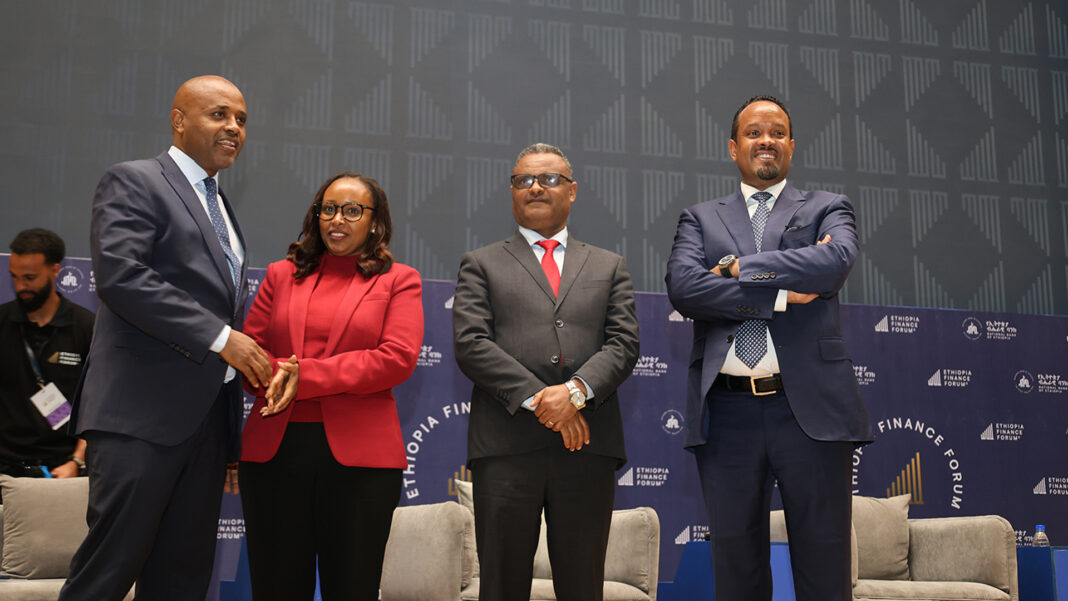
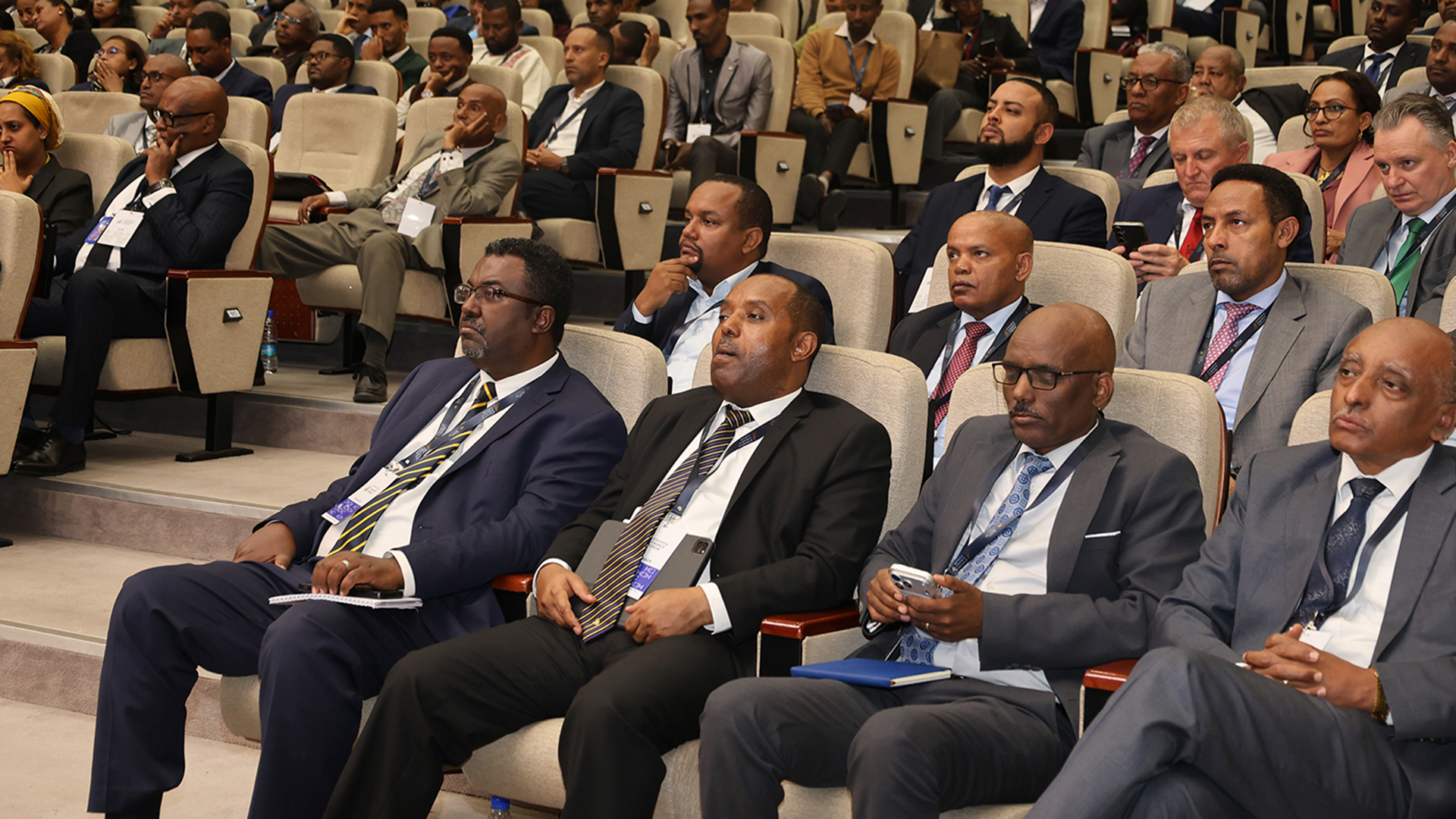
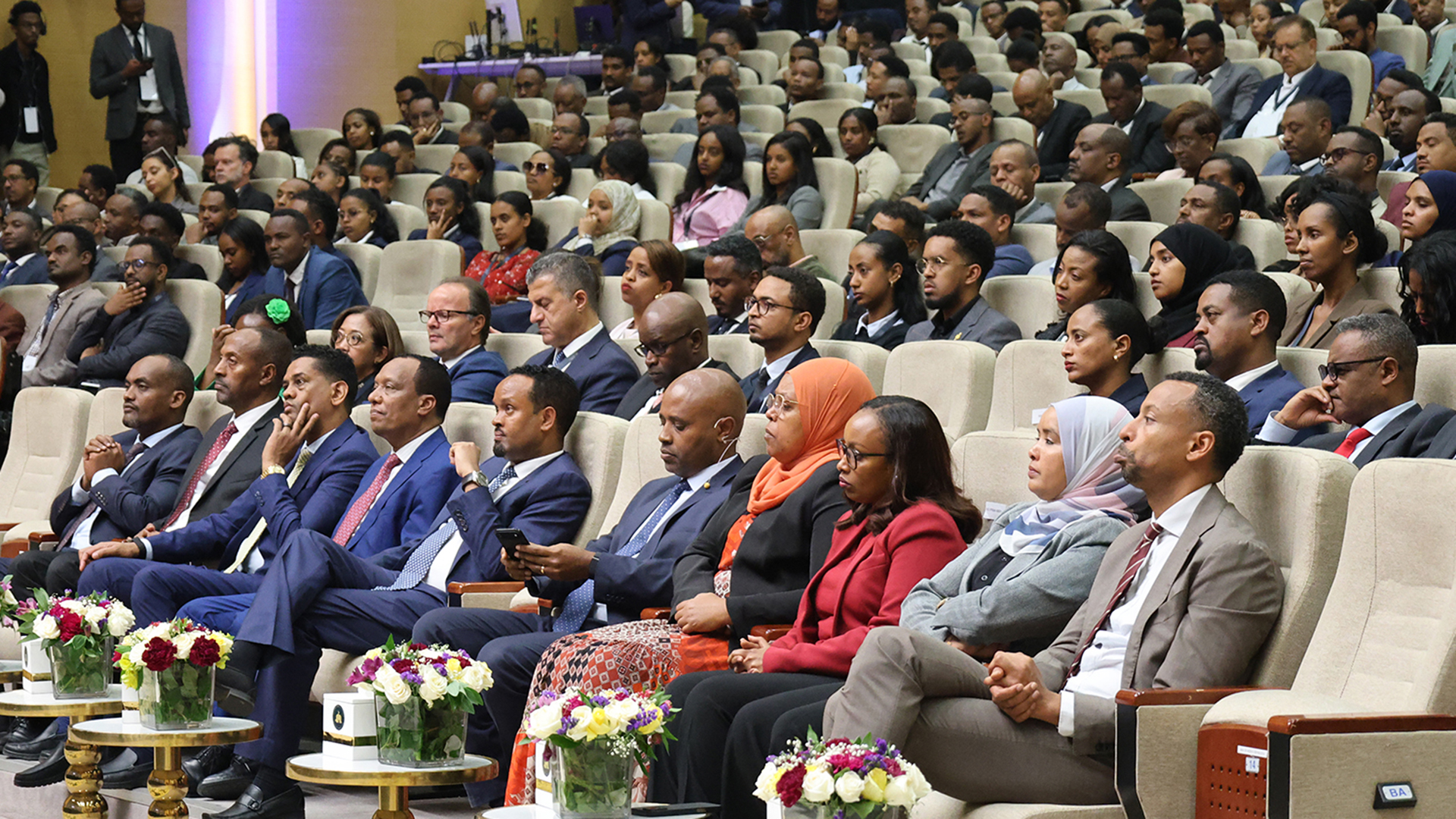
Speaking at the second Financial Sector Forum, held under the theme “Partnering for Growth: The Enabling Environment for Foreign Strategic Investors in Ethiopia’s Financial Sector and Host Country Expectations,” Frezer said international institutions were still conducting market research, risk assessments and internal due diligence before establishing a physical presence.
“When a foreign bank tries to go international and invest in foreign jurisdictions, they must do their homework,” he said. “They are doing the necessary market research, due diligence and so on. That movement is currently underway.”
In addition to the two greenfield applications under review, several international banks are reportedly conducting due diligence on potential equity partnerships with existing domestic financial institutions.
While foreign-bank entry is now legally permitted, the new regulatory framework imposes ownership limits intended to balance sector openness with the protection of domestic financial stability.
Under NBE directives, strategic foreign investors—including reputable international banks, state-owned banking entities and international development-finance institutions—may hold up to 40% of the subscribed capital of a local bank.
Foreign legal entities, such as companies, funds and institutions, are capped at 10%, while foreign individuals may hold between 7% and 10%, subject to NBE guidelines. Total foreign ownership in a single Ethiopian bank may not exceed 49%.
The ownership restrictions have generated debate among potential investors. Kenya’s KCB Group, for example, has indicated that an exemption from strategic-investor limits would make acquisitions more attractive, although any special treatment would require NBE approval under exceptional provisions of the proclamation.
The central bank retains the authority to allow a foreign bank to acquire a domestic bank fully in exceptional circumstances. Such approval may be considered where the target institution is financially sound and reputable, or where an acquisition would help resolve a troubled bank and safeguard financial stability.
Foreign banks establishing subsidiaries or branches must meet a minimum capital requirement of 5 billion birr, fully paid in acceptable foreign currency.
Foreign-owned branches are also subject to governance requirements. Their boards must have at least nine members, with at least one-third of the directors being non-executive Ethiopian citizens.
Frezer said the central bank had developed clear and accessible legal frameworks through consultation with stakeholders. To reinforce policy predictability, the NBE is finalising a comprehensive financial-sector roadmap covering the next five to 10 years.
The regulator has also pledged to ensure fair competition as new entrants arrive. According to the NBE, market leadership should be earned through innovation, service quality, efficiency and sound financial management—not through regulatory favour or market distortion.
In a related development, Nigeria’s United Capital Plc became the first foreign institution to receive an investment-banking licence from the Ethiopian Capital Market Authority in June 2026. The move marked a milestone in the development of Ethiopia’s nascent capital market.
Although the two greenfield applications represent an important step toward foreign-bank entry, considerable work remains before the applicants can begin operations. The licensing process includes reviews of governance, capital adequacy, financial soundness, regulatory compliance and the strategic value each institution would bring to Ethiopia’s financial system.
Frezer declined to provide details on the applicants or indicate when they might receive licences and start operations in Ethiopia.