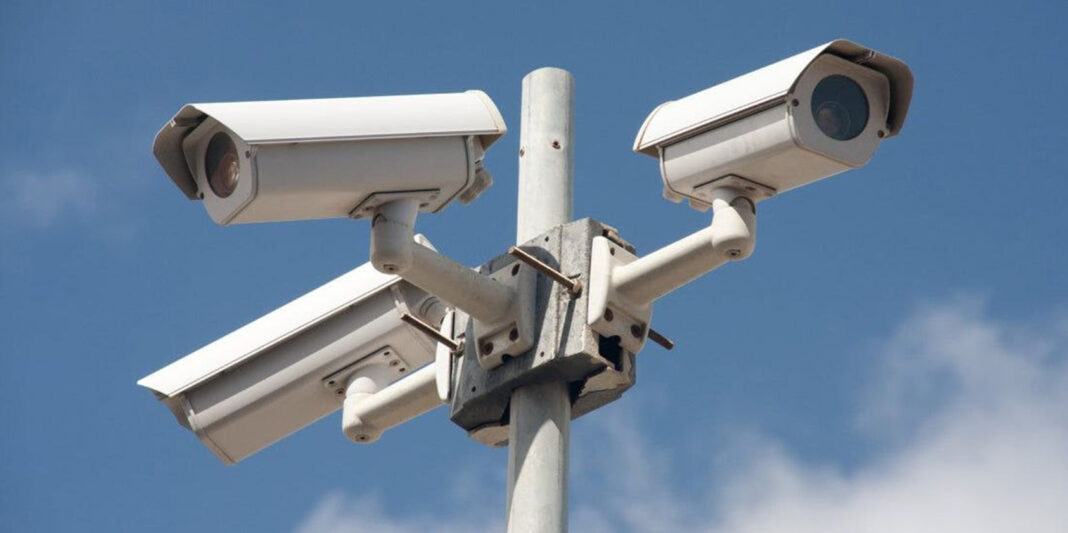
The Ministry of Revenues (MoR) has begun installing high-definition surveillance cameras in manufacturing facilities subject to excise duty, including major breweries and bottling plants. Sources confirmed by Capital indicate that the federal government has allocated an estimated 300 million birr to fund this advanced technological infrastructure.
For years, Ethiopian tax authorities have struggled with significant shortfalls in collecting anticipated revenues from high-demand excise goods such as alcoholic beverages, tobacco, and soft drinks. Government estimates suggest that substantial revenue leakages result from persistent information gaps, under-reporting, and widespread evasion. The new monitoring system aims to close these gaps by providing real-time, remote tracking of production processes, facility exit points, and freight transport, giving the Ministry unhindered digital oversight directly on the factory floor.
While excise taxes on items like alcohol, tobacco, soft drinks, and luxury goods are crucial revenue streams, officials acknowledge that administrative shortcomings and leakages continue to erode collections. To reverse this trend, the state is shifting from traditional auditing to automated, technology-driven compliance enforcement.
According to industry sources who spoke to Capital, technicians and regulatory experts have started installing advanced digital camera systems at critical points within major manufacturing facilities. These strategic monitoring devices specifically target production lines, packaging areas, and warehouses where finished goods are loaded for distribution.
“This was never formally communicated to the factories beforehand,” a senior factory manager said on condition of anonymity. “They walked into a meeting called by the Ministry of Revenues and were directly told that the equipment would be installed. At least two cameras have been installed inside each facility at the operators’ own expense.”
Backed by a 300 million birr budget allocated under excise tax regulatory provisions, this rollout enforces the legal mandate that excisable goods stored in licensed facilities must remain under strict regulatory oversight.
Implementation Directive No. 1079/2025 mandates the use of physical excise stamps—such as tamper-evident scratch-off or circular seals—or direct digital coding printed on product packaging. Mandated items include spirits, beers, wine, ready-to-drink beverages, bottled water, perfumes, all tobacco products, and sweetened or carbonated soft drinks.
Furthermore, the directive stipulates that licensed manufacturers must install technological monitoring systems allowing remote tracking of production, loading bays, and vehicle movements, while granting the Ministry of Revenues unrestricted real-time access.
For years, tax authorities have grappled with the “reporting gap”—the discrepancy between a factory’s actual production and its declared output for tax purposes.
Under revised Directive No. 1007/2024, malt beer is taxed at 40 percent or 28 birr per liter, whichever is higher, a sharp increase from the previous flat rate of 11 birr per liter. Domestic barley beer containing at least 75 percent local raw materials is taxed at 35 percent or 23 birr per liter. Tobacco products have also seen steep hikes.
Cigarettes are now subject to a 30 percent tax plus a specific excise of 20 birr per pack of 20 sticks, up from the previous rate of 8 birr per pack. Loose tobacco and cigars are taxed at 30 percent plus 644 birr per kilogram, up from 250 birr per kilogram. These inflation-adjusted changes are expected to significantly increase retail prices.
Experts link Ethiopia’s tech-driven enforcement campaign to broader structural economic reforms mandated by international financial institutions, particularly the International Monetary Fund (IMF).
As a key milestone in Ethiopia’s National Medium-Term Revenue Strategy (NMTRS), the economic reform program prioritizes accelerating the implementation of excise stamps and digital track-and-trace systems. This framework necessitates close collaboration between the Ministry of Revenues, the Ministry of Finance, and the Information Network Security Administration (INSA) for technological deployment.
IMF country reports highlight these measures as central to enhancing control over high-risk commodities such as alcohol, tobacco, and beverages. The multilateral lender anticipates the comprehensive digital track-and-trace system will be fully operational by December 2026.
This technological integration coincides with inflation adjustments to specific excise rates for alcohol and tobacco, designed to protect real revenues. The Ministry of Finance has been conducting monthly performance reviews since June 2026.
The government’s NMTRS, published in October 2024, outlines a reform roadmap for the 2024/25 to 2027/28 fiscal years. The strategy aims to reverse Ethiopia’s declining tax-to-GDP ratio, which fell from 20 percent in 2003/04 to 8.5 percent in 2021/22.
Under the NMTRS framework, tax policy measures are projected to increase GDP by approximately 3 percent, with administrative reforms contributing an additional 2.9 percent.
The IMF has repeatedly emphasized that Ethiopia’s tax-to-GDP ratio significantly trails regional peers, stressing that robust domestic resource mobilization is crucial for stabilizing public finances.
According to the African Development Bank’s African Economic Outlook 2026, Ethiopia’s 7.3 percent tax-to-GDP ratio represents a critical vulnerability, limiting fiscal space during periods of high social spending pressure. Debt service consumes 26.3 percent of government revenue, and external debt stands at 220 percent of exports.
Directive No. 1004/2024 governs the digital excise stamp system, requiring manufacturers and importers to affix unique identifiers to all excisable goods. This system enables authorities to track production, importation, and distribution from the factory to the end consumer. Manufacturers are responsible for integrating their production accounting systems with the excise stamp management platform at their own expense.
In the 2025/26 fiscal year, the Ministry of Revenues collected 1.518 trillion birr, exceeding its revised target of 1.5 trillion birr and marking a 68.69 percent increase over the previous year. Domestic taxes accounted for 774 billion birr, while customs duties and foreign trade taxes contributed 725.3 billion birr.
Minister of Revenues Aynalem Nigussie recently attributed this performance to the expanded deployment of digital systems, enhanced enforcement, and deliberate efforts to broaden the tax base. Officials also cited policy changes, including a new requirement for companies to settle quarterly advance corporate income taxes instead of waiting until year-end.
However, Capital sought details from the Ministry of Revenues regarding the overall camera installation project and its allocated budget but did not receive a response. According to Ministry of Finance projections, total excise tax revenue for the 2026/27 fiscal year is targeted at 48.8 billion birr. Of this, the beer sector is expected to generate 18.49 billion birr, soft drinks 9.6 billion birr, and tobacco products 6.69 billion birr.