African health ministers have endorsed a new regional strategy aimed at giving every child the best possible start in life, with stronger immunisation systems and community-based health services expected to play a central role in protecting children from polio and other preventable diseases.
The strategy was endorsed during the 76th session of the World Health Organization Regional Committee for Africa in Addis Ababa. It calls for coordinated action across health, nutrition, social protection, water and sanitation, education and finance, recognising that child survival and development depend on more than healthcare alone.
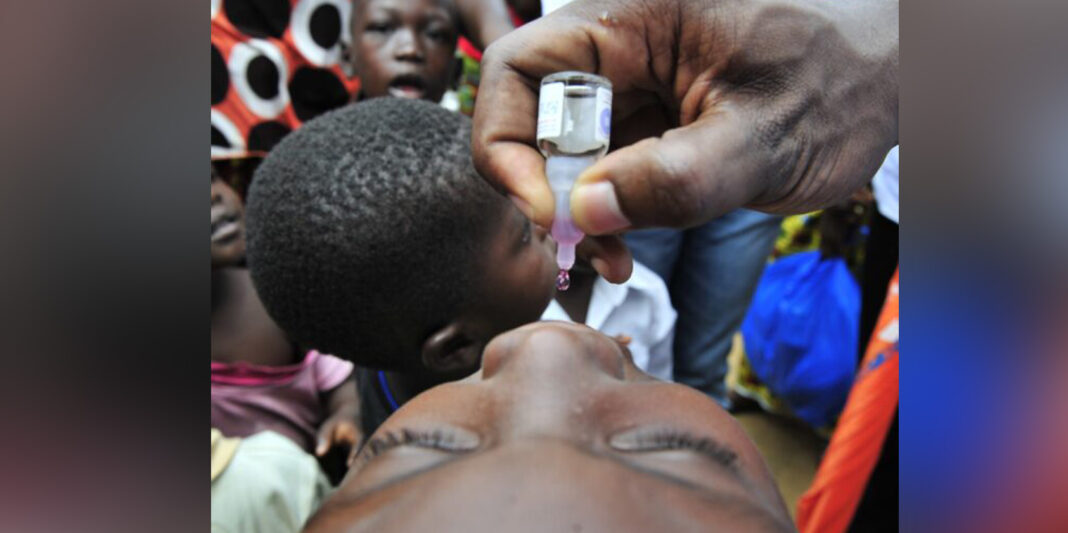
For polio programmes, the approach places renewed emphasis on reaching children who are missed by routine immunisation campaigns, particularly those living in remote, conflict-affected and underserved communities. Stronger primary healthcare systems, reliable health workers and better coordination between national and community authorities are considered essential to sustaining vaccination coverage and preventing the virus from spreading.
The regional commitment comes as African countries face a projected shortage of more than six million health professionals by 2035. Ministers approved the Health Workforce Management Programme in Africa for 2026–2035, which aims to train, employ and retain three million additional health workers across the continent.
Africa had nearly 5.72 million health professionals in 2024, but this represented only about 46 percent of the workforce required to meet the continent’s health needs. WHO said the gap threatens the delivery of essential services, including immunisation, disease surveillance and outreach to children in hard-to-reach areas.
Polio eradication depends on more than vaccines. Health workers must identify missed children, maintain accurate vaccination records, monitor suspected cases and respond quickly when poliovirus is detected. They also play a critical role in engaging parents and communities where misinformation, distrust or access barriers can prevent children from receiving essential doses.
The new workforce programme seeks to address these challenges by improving health-worker planning, expanding quality training, creating employment opportunities and retaining staff in areas where they are most needed.
“Our Member States have recognised that training health professionals is only the beginning,” said Dr Mohamed Yakub Janabi, WHO Regional Director for Africa. “This programme turns evidence into concrete action and political commitment into sustainable investments for Africa’s health workforce and, ultimately, for the health and well-being of our populations.”
The programme also highlights the economic case for investing in health workers. WHO estimates that closing Africa’s workforce gap would require an additional USD 4–6 per person each year, while every dollar invested in health workers could generate up to USD 10 in economic benefits and roughly 30 times that amount in broader social returns.
The newly endorsed child-health strategy calls for support to parents, caregivers and communities, who are central to ensuring that children survive, grow, learn and thrive. Its cross-sector approach links immunisation and primary healthcare with nutrition, clean water, sanitation, education and social protection.
For countries working to end polio, the strategy offers an opportunity to integrate vaccination into broader maternal and child-health services rather than treating campaigns as isolated interventions. Such integration can help strengthen trust, improve access and ensure that children receive other essential services at the same time.
Deliberations at the Addis Ababa meeting are expected to shape Africa’s health agenda over the coming year and beyond. For the continent’s polio programme, the message is clear: protecting children from paralysis and other vaccine-preventable diseases will require sustained political commitment, stronger health systems and a workforce capable of reaching every community.