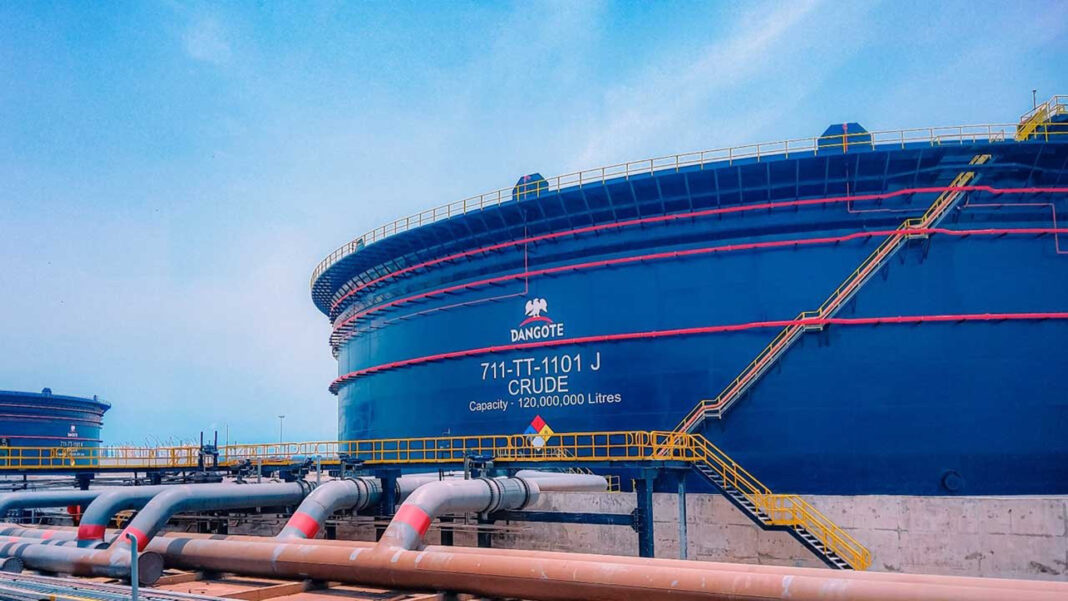
Construction of the landmark East Africa Refinery in Lamu is set to begin next Wednesday, Deputy President Kithure Kindiki has announced. Backed by Nigerian billionaire Aliko Dangote, the Sh2.2 trillion ($15.5–$16 billion) project is poised to become the region’s largest oil refinery and one of the most significant private-sector investments in Kenya’s history.
President William Ruto is expected to lead the official groundbreaking ceremony, joined by invited heads of state and government from across East Africa.
Following a final preparation meeting in Karen, Kindiki emphasized that the refinery will accelerate industrialization, generate up to 60,000 direct and indirect jobs, and invigorate the coastal economy.
“The strategic prize for Kenya is shifting the country from being predominantly a fuel importer to becoming a regional processing and distribution hub,” Kindiki stated.
Lamu was chosen for its strategic logistics network, leveraging the deep-water berths of Lamu Port and the LAPSSET corridor. This infrastructure grants the facility vital access to landlocked markets across East Africa.
Dangote has offered regional states a combined 30% equity stake, with Kenya weighing a 10% stake worth about $500 million. Ethiopia and Rwanda have also expressed interest in the venture, which utilizes a 30% equity and 70% debt financing model.
Project costs were recently revised downward due to efficiencies gained from Dangote’s mega-refinery project in Lagos, streamlined construction timelines, and favorable financing structures.
Upon completion, the facility will supply refined petroleum products to Kenya, Uganda, Tanzania, South Sudan, and Ethiopia, helping alleviate Kenya’s massive petroleum import expenditure.
Despite its immense economic promise, the project faces hurdles. Kenya lacks commercial-scale crude production, and critical regional infrastructure—including oil storage terminals along the LAPSSET corridor—remains largely undeveloped.