A new National Disability Survey reports that Tigray, Amhara, and Gambella have the highest household-level disability rates in Ethiopia. However, the National Federation of Disabled Persons’ Associations has rejected the findings.
The Ethiopian Policy Institute, in collaboration with UNICEF and Inclusive Development Partners, released the National Disability Survey Report on September 23, 2026. The survey estimates that 5.8 percent of Ethiopia’s total population lives with disabilities, with rates of 5.79 percent among females and 5.77 percent among males.
The survey gathered data from 9,200 households and 42,269 household members across all regions and city administrations, excluding individuals in prisons, medical facilities, and those experiencing homelessness.
Covering the period from the end of the war in northern Ethiopia through December 2024, the study found that conflict-affected regions, particularly Tigray, Amhara, and Gambella, recorded the highest household-level disability rates.
Specifically, 30 percent of households in Tigray have at least one member with a disability, compared to 25.8 percent in Amhara and 22 percent in Gambella. Sidama, Southern Ethiopia, and Afar were identified as regions with relatively lower disability rates.
The National Federation of Disabled Persons’ Associations has rejected the survey, citing inadequate involvement in the research process and the exclusion of their feedback from the final report.
Abayneh Gujo, the federation’s Director General, informed Capital that the organization was not involved in the survey from its inception, only being invited to review the findings.
“We did not participate in this survey from the beginning,” Abayneh stated. “Since it was a study conducted without our participation, we do not believe that it is accurate and beneficial to the country.”
He noted that previous national data estimated the proportion of people with disabilities at 1.1 percent, while international organizations like the World Bank and the United Nations have cited figures around 17 percent.
Abayneh also expressed concern that the new findings might be used for future policymaking without sufficient consultation with organizations representing people with disabilities.
He anticipates that the proportion of people with disabilities will rise to 10 percent or more of the population due to factors such as armed conflict, road traffic accidents, and natural disasters.
Kaleab Kebede, a gender and child development researcher at the Ethiopian Policy Research Institute who participated in the survey, explained that the study aimed to clarify the extent of disability in Ethiopia and identify the challenges faced by people with disabilities.
According to the survey, people with disabilities encounter significant social, economic, and political barriers. Children with disabilities are 24 percent less likely to access education than their non-disabled peers, and about half are unable to read and write.
Families of people with disabilities also face higher healthcare and education costs. In urban areas, 66 percent of people with disabilities are unemployed.
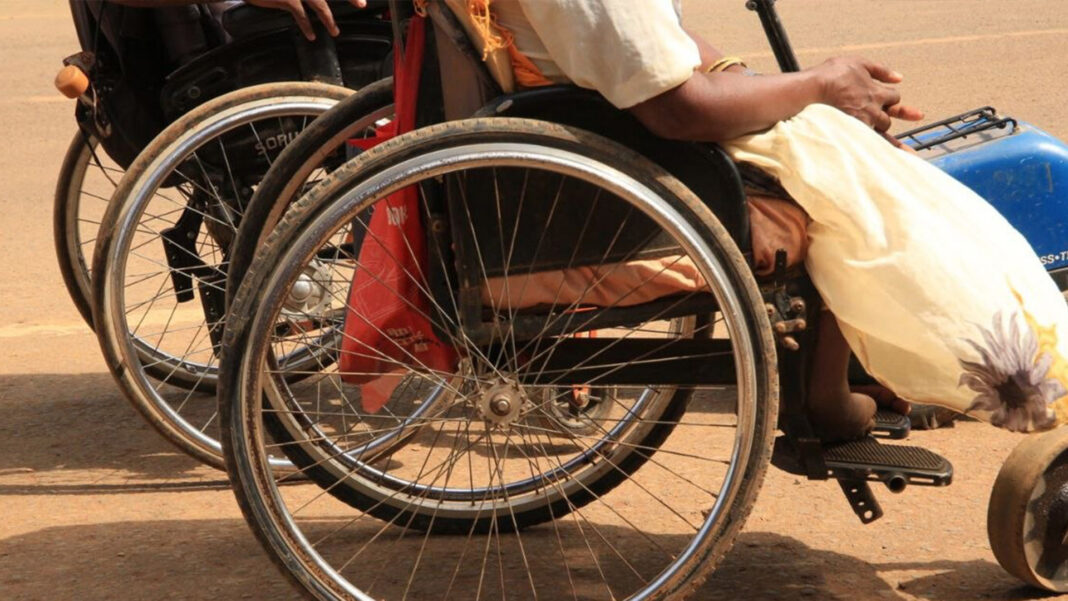
Kaleab highlighted infrastructure and accessibility as major challenges, with only 13 percent of people with disabilities using assistive devices or support equipment.
The survey identified war, road traffic accidents, natural disasters, and injuries during pregnancy as major reported causes of disability.
At the household level, the disability rate was 17 percent in urban areas and 22 percent in rural areas, resulting in a national average of 20 percent.