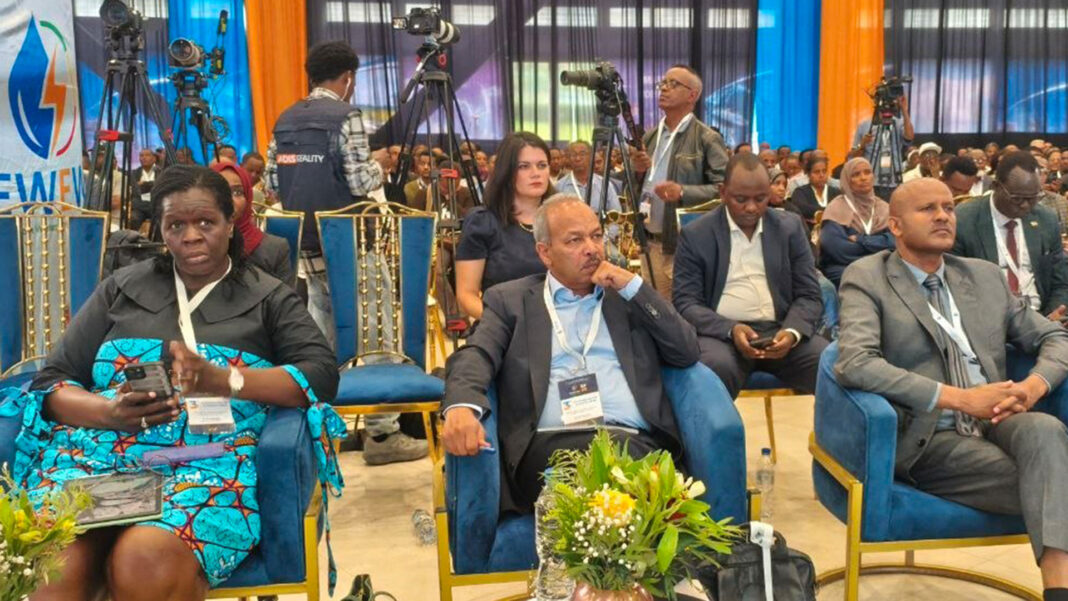
The International Civil Aviation Organization (ICAO) has urged Ethiopia to improve incentives, working conditions and resources for aviation inspectors, warning that recent compensation increases may not be enough to retain experienced technical personnel.
The recommendation followed a safety oversight audit conducted from October 14 to 27, 2026, which identified staffing, training, organisational capacity and regulatory implementation as areas requiring further attention at the Ethiopian Civil Aviation Authority (ECAA).
The audit team, led by Ousman Kemo Manjang, welcomed improvements in inspectors’ compensation but called for additional measures to recruit, train and retain qualified staff. It also highlighted the need for appropriate equipment, training and working facilities to support inspectors in carrying out their responsibilities.
ECAA Director General Yohannes Abera said the government had approved a new incentives and benefits package for regulatory staff two weeks before the audit debriefing.
The ICAO team emphasised that support should extend across the authority’s technical divisions to help it meet growing oversight demands.
The staffing recommendations come as Ethiopia’s aviation sector expands, increasing demand for inspectors capable of monitoring compliance with national regulations and international standards.
According to the audit results presented, Ethiopia recorded an overall effective implementation score of 85.76 per cent, up 22.84 percentage points from the 62.92 per cent recorded in the previous audit in 2015.
Yohannes said the sector had grown substantially over that period.
“In 2015, when ICAO audited us, we had only 99 registered aircraft, nine air operators and four aviation schools. Today, we have 269 registered aircraft, 13 air operators and six aviation schools, and our capacity has increased to accommodate 700 aircraft,” he said.
“The results we have achieved are encouraging, and we hope to reach 100 percent in the coming years.”
Despite the overall improvement, the results presented showed declines in several technical and organisational categories.
The organisational oversight score fell from 77.78 per cent to 72.73 per cent, while airworthiness oversight declined from 98.06 per cent to 89.38 per cent.
Air navigation services dropped from 87.38 per cent to 80 per cent, operations declined from 83.9 per cent to 80.16 per cent, and personnel licensing edged down from 88.61 per cent to 87.91 per cent.
By contrast, the legislation score increased from 76.19 per cent to 90.91 per cent, while aerodromes and ground aids improved slightly from 91.6 per cent to 91.97 per cent.
Beyond staffing, the audit identified shortcomings in the country’s aviation legislation.
The team raised concerns about provisions in the 2020 aviation law concerning the recognition of certificates and licences issued by other states under arrangements associated with Article 83 bis. According to the auditors, the wording makes recognition discretionary where it should be mandatory under the relevant international framework.
The audit also found that Ethiopia had not formally notified or published significant differences between its national aviation regulations and ICAO Standards and Recommended Practices in its Aeronautical Information Publication.
Yohannes said a draft revised aviation law had been submitted to the Council of Ministers for approval.
The proposed revision is intended to address deficiencies in the existing framework. The authority will also need to demonstrate consistent implementation of the updated requirements.
The assessment of Ethiopia’s State Safety Programme recorded a score of 81.25 per cent.
The ICAO team said the country had established much of the necessary documentation but needed to strengthen safety data collection and analysis to support a more mature, risk-based oversight system.
Auditors also called for improved record-keeping, guidance materials and implementation of oversight procedures across aviation divisions. These measures are intended to ensure that regulations are applied consistently and that safety risks are identified and addressed.
Aircraft accident and incident investigation was excluded from the latest assessment. ICAO said a separate audit would cover that area, with its findings subsequently combined with the current assessment in a consolidated report.