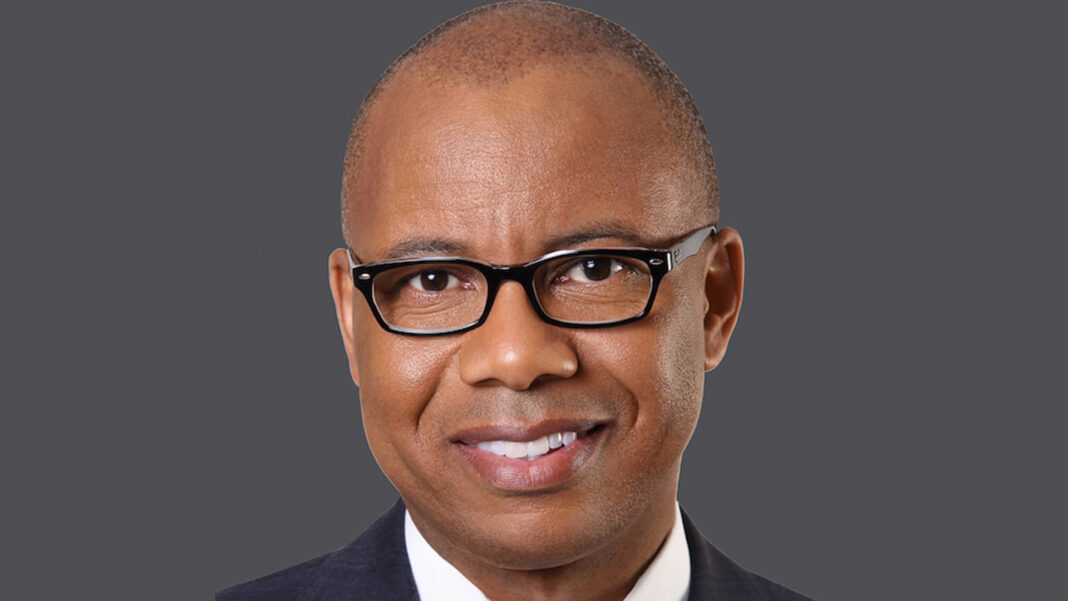
Ethiopia must strengthen regulatory transparency, legal consistency and policy predictability to attract sustained foreign investment as it opens its economy to greater international participation, U.S. banking executive Kenneth Kelly said during a roundtable with Ethiopian business media.
Kelly, chairman and CEO of Detroit-based First Independence Corporation and First Independence Bank, said attracting investors requires an “infrastructure of trust” that gives businesses confidence in the rules governing their investments.
At the discussion he emphasised that economic opportunities alone are insufficient if investors cannot assess regulatory risks or anticipate how changes in legislation will affect their operations for instance.
Foreign investors must account for their decisions to shareholders and other stakeholders, he said, making confidence in the legal and regulatory environment central to their willingness to commit capital.
Kelly described Ethiopia as a country with considerable economic potential, citing its young population, industrious culture and demographic diversity.
However, he said greater integration into international markets brings responsibilities alongside opportunities. Expanding foreign partnerships and participation in banking requires institutions that can provide clarity, manage uncertainty and sustain investor confidence.
His message focused on the importance of predictable change rather than an absence of change. Investors need to understand how rules are developed, implemented and revised so they can assess risks and plan over the long term. The key is consistency, reliability and trust he said.
For Ethiopia, he suggested, building that confidence would be an important part of translating economic potential into durable investment relationships.
Kelly also urged banks and businesses to prepare for economic downturns rather than base their strategies solely on expectations of continued growth.
Drawing on the experience of the 2008 U.S. financial crisis, he said market corrections are a recurring feature of economic activity. Institutions therefore need disciplined risk management and operating strategies that allow them to withstand difficult conditions.
The ability to manage through downturns, he argued, is as important as taking advantage of favourable market conditions.
He encouraged a measured approach to risk, noting that participation in more open markets requires accepting calculated risks while preparing for periods of uncertainty.
The roundtable also weighed financial literacy, banking operations, financial inclusion and the media’s role in explaining economic developments.
Kelly said effective journalism can help the public understand complex financial issues and contribute to broader cultural and economic change.
Reporting and commentary can extend financial discussions beyond banking executives and policymakers, helping households, businesses and other stakeholders understand decisions that affect them.
PIC
Kenneth Kelly