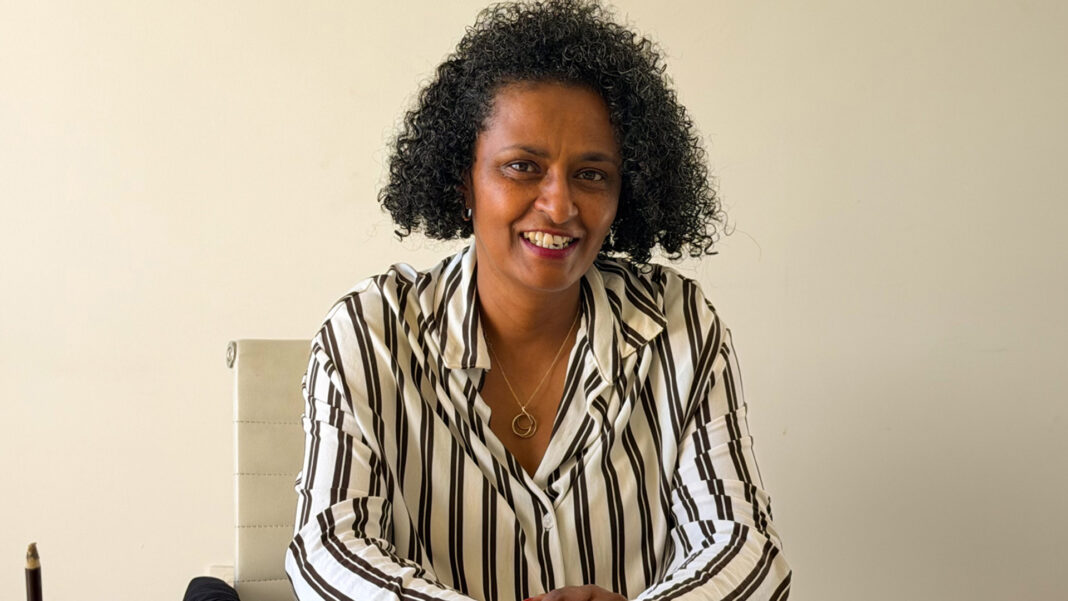
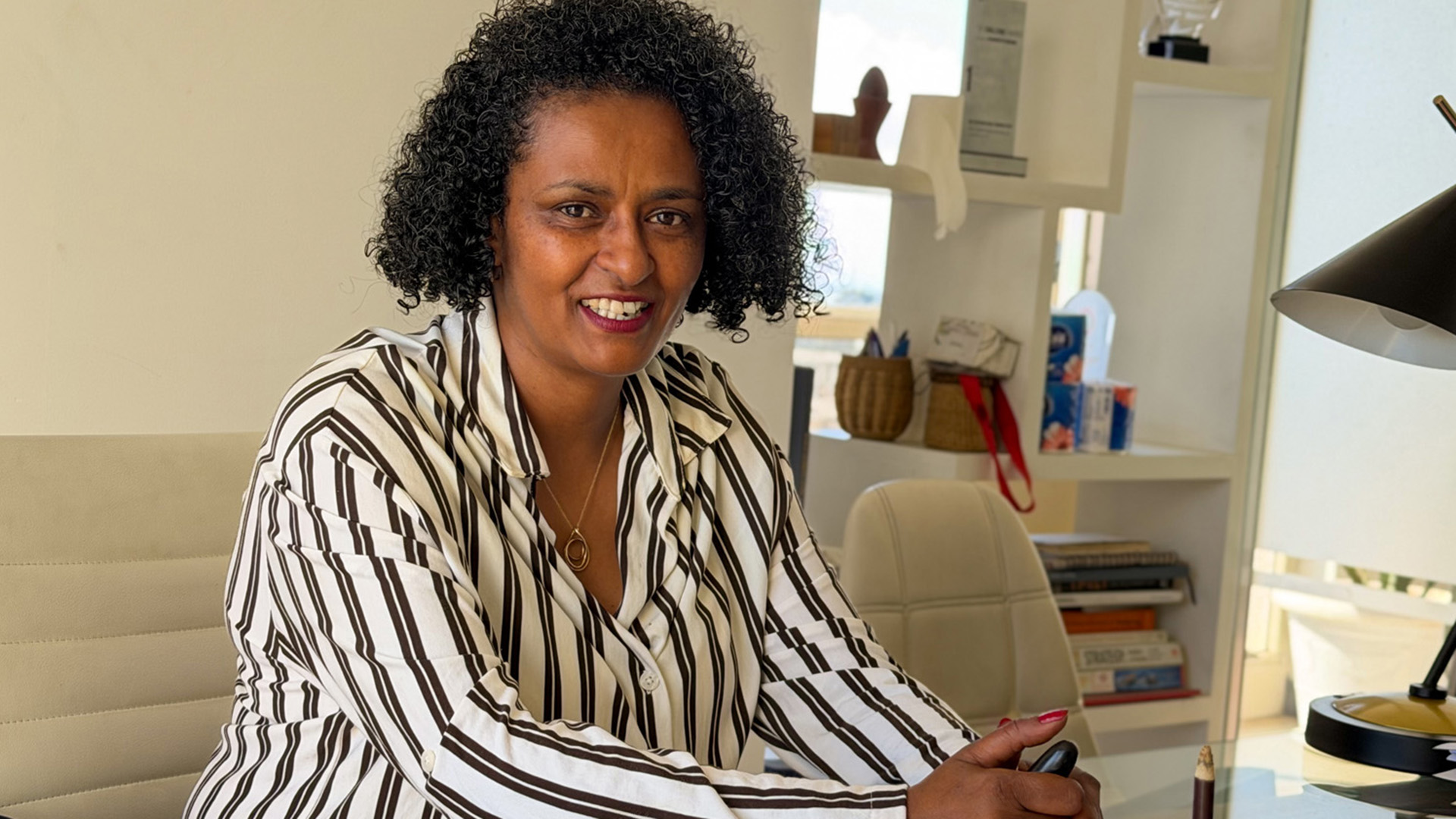
As Addis Ababa prepares to host the 26th edition of the Great Ethiopian Run’s flagship international 10km race on November 22, General Manager Dagmawit Amare is looking beyond registration numbers to a more ambitious goal: getting at least 50,000 participants across the finish line.
Appointed in 2021, Dagmawit succeeded Ermias Ayele, who had led the organisation for 11 years, becoming its third general manager and the first woman to hold the position. With 22 years at the organisation, she is also its longest-serving employee. Her experience spans participant mobilisation and event entertainment, including bringing live bands and dance-led warm-ups into a race that blends sport with celebration.
This year, organisers have registered 60,000 participants for the 10km and another 5,000 for the children’s race. Changes include timing chips and race numbers for all 14,000 runners in the Green Start, formerly the fast wave, and a new Yellow Start at St Joseph School for Grade 11 and 12 students, sponsored by Bank of America. Staggered starting times are intended to help manage the crowds.
Alongside the competition, which offers more than 1.8 million birr in prizes, organisers aim to raise eight million birr for three charitable organisations supporting people affected by cancer, children with intellectual disabilities and older people.
For Dagmawit, however, the event’s significance extends beyond a single morning. Through training tools, monthly community runs and events in other Ethiopian cities, she wants running to become a lasting part of everyday life.
In this interview with Capital, Dagmawit discusses preparations, safety, inclusion, fundraising and the challenge of growing participation while preserving the race’s distinctive character. She also explains why she sees race day as an opportunity to bring communities together and present a different image of Ethiopia to the world—a day, in her words, when “Ethiopia smiles”. Excerpts:
Capital: What are your main priorities for this year’s Great Ethiopian Run, and what will distinguish it from previous editions?
Dagmawit Amare: Our priorities this year is to be bring as many participants to start and finish the race and in the long run become the biggest 10k race in the world. We are aiming for at least 50,000 finishers this year, that’s why we are saying start your race from the start point and finish the race.
And about the new things in this race are in the green start (that was formerly called the fast wave) all the 14,000 participants will have a race number and a timing chip and they will be timed and they will have 1 hour cut off. And the other new thing is this year we have a new start in St. Joseph School and we called it Yellow start. This start is exclusively For 11 and 12 graders and it is fully sponsored by Bank of America, our title sponsor. We started this initiative in order to broaden our participants demography include the age group that is low in our previous races.
Capital: How many participants have registered so far, what is your final target, and how does international participation compare with last year?
Dagmawit Amare: This year we have registered 60,000 participants for the 10k and 5,000 for the children race. And the international participants are 160 international participants have registered for the race from 22 different countries. Last year 400 registered.
Capital: This year’s programme includes separate starts for competitive runners, recreational participants and sponsored students. How will you manage crowd movement and prevent congestion along the route?
Dagmawit Amare: We will be having separate starting time for the three starts.
The Green start will start on 8:00 AM. And the Red start will start at 8:10 AM. And the Yellow Start will start at 8:45 AM. This way we will have sufficient time to control the starts and to have clear start and finish in Mesqel square.
Capital: What medical, security and emergency-response arrangements are in place, and what lessons from previous races have informed those preparations?
Dagmawit Amare: In order to mitigate any inconveniences With 20 medical stations set up, 24 doctors, 55 nurses, 12 ambulances, and 100 first-aid personnel are standing by, ready for action.
Capital: Which elite athletes are expected to compete, what prize money will be offered, and how does the race help emerging Ethiopian runners gain exposure?
Dagmawit Amare: The winners of the 10km race—in both the men’s and women’s categories—will each receive a prize of 400,000 Birr. Those who finish in second place will be awarded 200,000 Birr, while those who finish in third place will receive 100,000 Birr. In total, more than 1.8 million Birr has been allocated for prizes. Athletes who improve the race record (best time) will receive an additional prize of 50,000 Birr.
Capital: How many international visitors do you expect, and how will you measure the event’s contribution to hotels, restaurants, transport providers and other local businesses?
Dagmawit Amare: From our side we expect around 200 visitors and we measure the contribution by economic impact study.
Capital: How are you expanding participation among women, people with disabilities, young people and runners travelling from outside Addis Ababa?
Dagmawit Amare: Mobility race is one of our unique ways of including people with disabilities. Every year we conduct a mobility race of the both genders.
And for young people this year we have a new start that is a Yellow start as I told you earlier and that is our way of including them.
For the gender inclusion as you know this race is open for all but exclusively in March we conduct women first race that will be for women only. This way we give a women only space for own women participants.
Capital: Which charitable causes or community initiatives will benefit this year, what fundraising targets have you set, and how will the proceeds and their use be reported publicly?
Dagmawit Amare: This year’s target is 8 million birr. This year, the Alemfre Pink House Cancer Foundation, Fikir Ethiopia Association for Children with Intellectual Disabilities, and Marefiya Elderly Care Support Association are the charitable organizations selected by the Ministry of Women and Social Affairs to receive support.
Capital: Beyond race day, what lasting contribution do you want the Great Ethiopian Run to make to public health, social cohesion and Ethiopia’s international image—and how will you judge whether it has succeeded?
Dagmawit Amare: In Great Run our mission is to make running a lifestyle in our community and we are trying to achieve that through promoting running beyond race day. First thing we have GER Training App, that gives personalized training tips and it gives a sense of community that shares their running journey.
And second thing we have Entoto CBE run, a monthly gathering of our running community. And thirdly we have Discover Ethiopia Classics Series, an opportunity to share culture, heritage and a travel experience here we explore different cities and inspire different communities. And we have the 10K, our event of the year. Here we host a thousands of people including hundreds of foreigners. And as we all say it is ኢትዮጵያ የምትሞሸርበት ቀን ነው “The day Ethiopia is wedded”. It is the day Ethiopia smiles. It is the day we show the other color of Ethiopia to the world. And I can say we are successful in achieving it in every aspect.