Ethiopia’s national digital ID programme has registered more than 52 million citizens and is expanding beyond registration to provide identity verification and other digital public infrastructure services.
The institution, formerly known as the National ID programme, has changed its name to FaydaVerse to reflect its expanding role in digital identity services and infrastructure development. It has also joined Ethiopian Investment Holdings as a government development organisation.
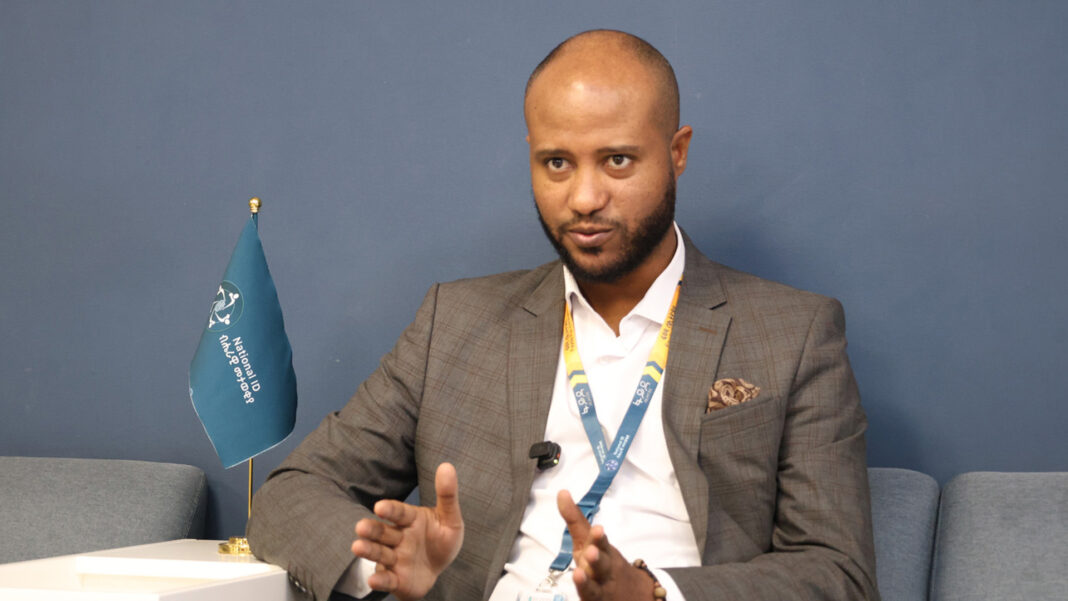
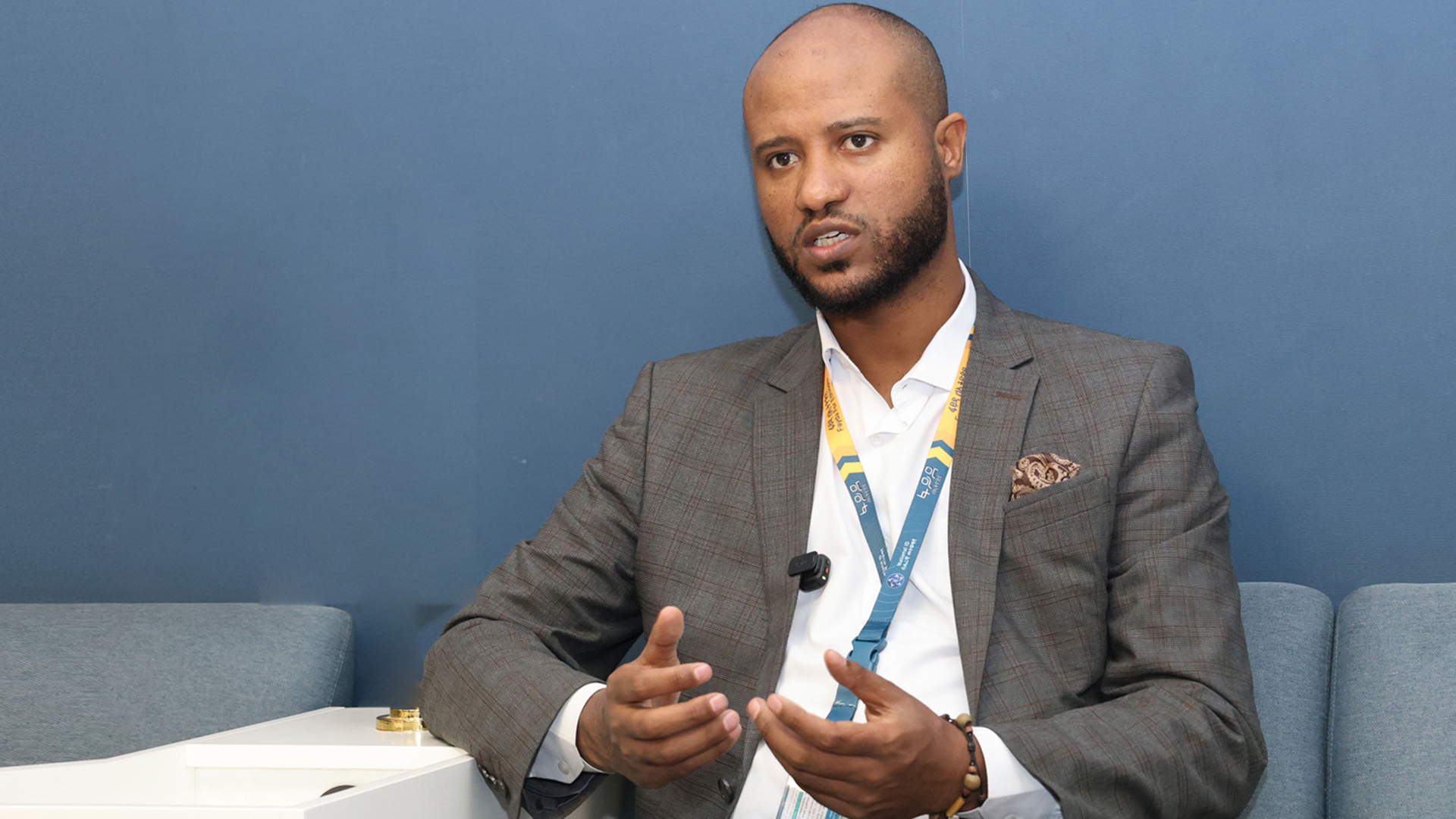
In an interview with Capital’s Samuel Abate, Saminas Seifu, the institution’s Stakeholder Engagement Director, discussed the progress of national ID registration, the introduction of identity verification fees, data protection and future plans.
Capital: You recently changed your name from National ID to FaydaVerse. Why?
Saminas Seifu: ID registration was designed as a five-year project. In addition to issuing IDs, we provide services that allow institutions to verify the identities of their customers. As a result, institutions and countries have increasingly approached us for additional services.
We can provide solutions beyond registration, but the growing demand for identity verification and other digital services requires an institutional structure that goes beyond a project office. The number of institutions seeking to work with us has reached 150.
Digital infrastructure is not something that is built once and left unchanged; it requires continuous innovation. We therefore changed our name to FaydaVerse to provide a broader range of services, from consultancy to the implementation of digital infrastructure systems.
The programme will continue to provide national IDs free of charge. So far, more than 52 million citizens have registered. We are registering citizens, including members of the diaspora, while excluding tourists.
The programme is designed to be inclusive. People with disabilities, homeless people and those without residence identification documents can also register by providing witnesses. Studies indicate that 40 per cent of people in Ethiopia do not have proof of identity.
Capital: Has Fayda ID registration been accessible everywhere?
Saminas Seifu: We started with fewer than 100 registration machines, but we now have 15,000. We are expanding registration through partnerships with private-sector institutions, including Safaricom, ABH and BlueSpark, particularly in rural areas.
We have been engaging with institutions about the use of FaydaVerse services. Making these services mandatory must follow the expansion of registration and ensure that people can access the system.
Registration has been widely implemented in cities such as Addis Ababa, Dire Dawa and Harar. We are now moving registration machines to other areas to expand access.
Capital: What will happen after the five-year national ID registration period?
Saminas Seifu: The number of registered citizens has reached 52 million, but not everyone may be registered by the end of the five-year period.
Registration will no longer be conducted mainly through a campaign. Instead, it will continue as a regular service. We will keep registering citizens who reach the legal age for registration, as well as new generations.
Capital: What services does the change to FaydaVerse enable you to provide?
Saminas Seifu: Institutions want to verify the identities of their customers. Other countries have also approached us to develop digital public infrastructure, including citizen wallets, digital IDs, government wallets, cybersecurity systems and credential wallets.
To provide these services, we needed to expand beyond the mandate associated with the original project. As the identity verification needs of institutions and countries continue to grow, the services we offer are also expanding.
Capital: What services are you providing to foreign countries and institutions?
Saminas Seifu: Our relationships with other countries are not limited to trade or sharing experiences. They also involve commercial partnerships and investment.
Countries initially approach us to learn from our experience, but cooperation can go further. They may subsequently request services tailored to their needs, including consultancy, system deployment, legal preparation, data centre development and assistance with technology procurement.
Zambia, Mozambique and other countries have expressed interest in this kind of cooperation.
Capital: What additional services do you plan to introduce in the future?
Saminas Seifu: We will continue expanding our digital public infrastructure services. These include digital registration, credential wallets, citizen wallets, digital signing, stakeholder engagement and the development of digital infrastructure for public services.
Capital: Are banks charged fees for identity verification?
Saminas Seifu: Digital infrastructure needs to grow and improve, and identity authentication is a utility service. We provide these services on a fee basis because a reasonable charge is necessary to sustain them. Our prices were determined with reference to international practices.
We started charging for identity verification services in August, 2026.
Previously, when customers visited banks, institutions often asked for an ID and made a copy without verifying its authenticity. Banks could spend between 10 and 20 birr making a copy, yet this did not necessarily prevent identity fraud.
Fraud imposes significant costs on institutions. It also limits their ability to innovate because they cannot always be confident about the identities of customers. For example, financial institutions may hesitate to provide loans quickly or expand lending because of concerns about fraud and repayment.
With verified identity information, institutions can reduce fraud and develop new services. People can also open bank accounts from the comfort of their homes, which is one example of the opportunities created by digital identity.
The national ID system helps build trust between institutions and their customers. It has also helped reduce risks associated with fraudulent small loans.
It would therefore not be appropriate to expect the infrastructure that supports this trust to operate indefinitely without revenue. We charge a very small, reduced fee intended to cover basic operating costs. The price was set after considering practices in other countries.
Capital: Does introducing fees undermine financial inclusion?
Saminas Seifu: Research indicates that 40 per cent of citizens did not have identification documents. The national ID programme has enabled these millions of people to obtain identification and access banking services.
The system is designed to reduce costs and prevent fraud. Citizens are not charged for receiving their national ID, just as they are not asked to pay us for providing essential identification services. However, when institutions request identity verification services, we charge a small service fee of around five to 10 cents.
The service is available to government institutions, private companies and start-ups.
There are different types of information requests. Some institutions need to verify information to provide services such as opening or linking bank accounts, while others may need to confirm details about people seeking their services. The applicable arrangements depend on the service requested.
We also use one-time passwords (OTPs) for verification in accordance with the Personal Data Protection Act. There is a system that records how institutions use the service, including what information they access and the duration of access. This allows us to monitor information use and the associated payments.
Capital: Could the fees charged to banks be adjusted?
Saminas Seifu: We have established infrastructure and services intended to be trusted by both institutions and individuals. Setting the prices involved a lengthy process, including research and decisions by management and the board, as well as consideration of the relevant regulatory and investment structures.
Although we cannot predict every future development, our decisions are studied carefully, including their potential economic impact.
We have no plans to adjust the prices at the moment. In the future, we will continue considering how to build trust and accountability in the sector.
Capital: How much revenue do you plan to generate?
Saminas Seifu: We are a start-up institution with our own plans and objectives. We are introducing services that are relatively new to the country.
Our plan is to generate revenue from services provided to domestic and foreign institutions. Meanwhile, the government is providing national IDs free of charge through commitments and loans for this project.
Capital: Are citizens required to print and carry their national ID cards?
Saminas Seifu: We believe this is largely a matter of public perception that can be addressed through awareness creation.
We believe that knowing your 16-digit identification number is sufficient. However, individuals can print and carry their ID cards if they wish. Many people prefer to have a printed copy.
The ID can be printed on paper, while a digital copy is sufficient for someone who has a smartphone. It is not appropriate for institutions to insist that citizens present only a printed ID card.
Capital: How secure is the system against attacks?
Saminas Seifu: Having an ID is a right, and the government has a responsibility to provide it. That is what we are doing.
Our work is governed by the Digital Identity Act and the Personal Data Protection Act. Individuals own their information, while we administer the data. We do not share personal information without the individual’s consent.
External parties and our experts cannot view the complete information of individuals. The system is encrypted, and when information is provided to institutions, access is limited according to the needs and characteristics of each institution.
Institutions do not receive unrestricted access to individuals’ complete information. This approach helps protect personal data and limit security risks.
Capital: Can the national ID system be used for other purposes, such as animal registration?
Saminas Seifu: We are currently working with the Agricultural Transformation Institute on farmers’ profiles. This work includes organising information about farmers and pastoralists, with the aim of supporting benefits such as access to finance.
The number of farmers included in this work is gradually increasing. However, animal registration has not yet started. Land registration and other related uses would require further development.