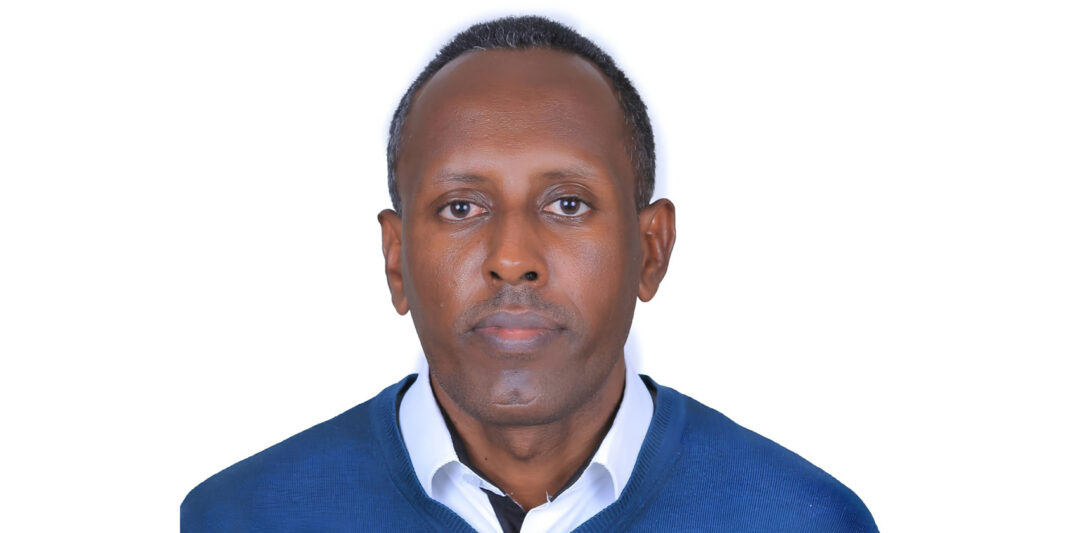
As Ethiopia marks World Pneumonia Day, Dr. Abate Yeshidinber, Associate Professor of Paediatrics and a paediatric pulmonary and critical care physician at St. Paul’s Hospital Millennium Medical College, says routine immunisation, early recognition of symptoms and timely access to treatment remain essential to protecting children from severe respiratory illness.
In an interview with Capital’s Groum Abate, Dr. Abate discusses the burden of severe pneumonia among critically ill children, the importance of reaching children who have missed vaccinations, and the need to strengthen prevention, diagnosis, referral and intensive-care services. He also highlights the role organisations such as Pfizer can play in supporting broader prevention efforts. Excerpts;
Capital: From your experience at St. Paul’s Hospital, what are you seeing in children admitted with severe pneumonia, and what concerns you most about the cases reaching intensive care?
Dr. Abate: Severe respiratory infections, including pneumonia, continue to pose serious risks to children in Ethiopia. In severe cases, children can develop respiratory failure and require intensive care.
In our study of 343 children admitted to the paediatric intensive care unit during the 2023–2024 study period, 57 were diagnosed with paediatric acute respiratory distress syndrome (PARDS), a life-threatening condition in which the lungs struggle to provide the body with enough oxygen.
Most of these children had severe PARDS, and approximately 86 per cent required invasive mechanical ventilation.
These findings illustrate how serious respiratory complications can become, particularly among critically ill children.
Capital: The briefing cites more than 850,000 unvaccinated children in Ethiopia. What is the source, reference year and age group behind that estimate, and does it refer to children who have received no vaccines at all or those missing a particular first dose?
Dr. Abate: Ethiopia’s 2024–25 Demographic and Health Survey found that 20 per cent of children aged 12–23 months had received no vaccinations. Based on this finding, more than 850,000 children in this age group are estimated to have received no vaccinations.
Immunisation programmes often use the term “zero-dose” to describe children who have not received the first dose of a diphtheria, tetanus and pertussis-containing vaccine. The household survey, by comparison, reports the proportion of children aged 12–23 months who received no vaccinations.
These measures are related but are not necessarily interchangeable.
Capital: WHO reports that Ethiopia reached more than 2.5 million previously zero-dose children with a first dose of a diphtheria, tetanus and pertussis-containing vaccine through catch-up efforts. What gaps remain, and how can the country sustain that progress through routine services?
Dr. Abate: Ethiopia has made important progress in reaching children who previously missed vaccination. According to WHO, more than 2.5 million previously unvaccinated children received their first dose of a DTP-containing vaccine through catch-up efforts between 2023 and March 2026.
At the same time, the latest household survey shows that significant gaps remain in routine childhood immunisation. Ethiopia’s 2024–25 Demographic and Health Survey found that only 30 per cent of children aged 12–23 months had received all basic vaccinations, while 21 per cent were fully vaccinated according to the national schedule.
Sustaining this progress will require continued efforts to reach children who have missed vaccinations, help families complete recommended immunisation schedules and strengthen routine immunisation services, particularly in underserved communities.
Capital: What are the main reasons children miss vaccinations in Ethiopia, and how do barriers differ between urban families, remote communities and families affected by conflict or displacement?
Dr. Abate: Immunisation gaps are not evenly distributed across Ethiopia. The 2024–25 Demographic and Health Survey found that 22 per cent of children in rural areas had received all basic vaccinations, compared with 50 per cent in urban areas.
Children in remote and underserved communities may face additional barriers to accessing routine healthcare, including long distances to health facilities, transportation challenges and disruptions to services. Conflict and displacement can make it even more difficult for families to maintain regular vaccination schedules.
These differences underscore the importance of tailoring immunisation efforts to the needs of individual communities, particularly in areas where access to routine healthcare may be disrupted.
Capital: Which vaccines in Ethiopia’s routine childhood schedule help protect against pneumonia or infections that can lead to it, and how would you explain their benefits—and limitations—to parents?
Dr. Abate: Vaccination is one of the most important tools we have to protect children from serious infections, including those that can cause pneumonia.
Ethiopia’s routine childhood immunisation schedule includes vaccines that help protect against pneumococcal disease, Haemophilus influenzae type b (Hib) and measles. The 2024–25 Demographic and Health Survey found that 39 per cent of children aged 12–23 months had received three doses of pneumococcal conjugate vaccine, 40 per cent had received three doses of the combined vaccine containing Hib, and 51 per cent had received their first measles vaccine dose.
These vaccines help protect against serious infections, but vaccination does not prevent every cause of pneumonia. It remains important for parents to recognise symptoms, seek medical care early and ensure children receive all recommended vaccinations.
Capital: Your study identified paediatric acute respiratory distress syndrome in 57 children and reported a mortality rate of 51 per cent. What drove these poor outcomes, and what should readers understand about the limits of findings from a single hospital’s intensive care unit?
Dr. Abate: Our study highlights the potentially devastating consequences of severe respiratory illness among children. Among the 57 children diagnosed with paediatric acute respiratory distress syndrome (PARDS), the mortality rate was 51 per cent, compared with 23.1 per cent among children who did not develop PARDS. Pneumonia or lower airway infection was associated with approximately 56 per cent of PARDS cases.
While these findings highlight the severity of respiratory complications among critically ill children, our study reflects the experience of patients at one hospital and does not represent the broader burden of childhood pneumonia across Ethiopia.
Capital: Did the study collect reliable vaccination histories or identify the organisms causing the infections? How far can its findings support a link between missed vaccinations and severe respiratory illness, and what remains unknown?
Dr. Abate: Vaccination history was collected but is unlikely to be fully reliable. Because the study relied on caregiver recall rather than vaccination cards or immunisation registers, recall bias and social desirability bias may have led to misclassification of vaccination status.
On the other hand, identification of the causes of infection was limited to bacterial causes. Resource constraints and prior antibiotic exposure reduced culture positivity, while viral testing, including testing for respiratory syncytial virus (RSV), was not available.
Since a large share of childhood pneumonia is viral, the study’s ability to determine what proportion of severe pneumonia was caused by vaccine-preventable pathogens is limited. It may also underestimate the contribution of pneumococcus and RSV.
However, high-quality epidemiological studies have established that pneumococcus and RSV together account for a substantial share of childhood pneumonia deaths. This external evidence supports the biological plausibility that missed vaccination could contribute to severe illness. However, because our study did not systematically identify these organisms, this evidence contextualises but does not directly validate the study’s findings.
It is important to note that pneumococcus is vaccine-preventable through the pneumococcal conjugate vaccine, which is already part of Ethiopia’s routine immunisation schedule. RSV is vaccine-preventable in principle, but RSV vaccines are not yet part of Ethiopia’s national immunisation programme.
Capital: What early symptoms of pneumonia should caregivers recognise, and which danger signs mean a child needs urgent medical attention rather than continued observation at home?
Dr. Abate: Parents and caregivers should be alert to symptoms such as coughing, fever, fast or difficult breathing, and the chest pulling inward when a child breathes.
If a child develops difficulty breathing, they should seek medical attention promptly. Signs such as an inability to drink or breastfeed, unusual drowsiness or blue lips require urgent medical care.
Capital: What should parents do if their child has missed several vaccine appointments, has no vaccination card or is older than the usual age for a scheduled dose? Where should they seek an individual catch-up assessment?
Dr. Abate: It is important for parents to check their children’s vaccination records rather than assume they are fully protected. If they are unsure whether a child has received all recommended doses, they should speak with a healthcare worker about any missed vaccinations and how to catch up.
Healthcare workers have an important role in identifying children who have missed vaccinations and helping families complete their recommended schedules.
Capital: Your research found an association between malnutrition and mortality among children with severe respiratory distress. How should vaccination, nutrition support and early treatment be brought together to protect vulnerable children?
Dr. Abate: Preventing severe childhood illness requires continued efforts to ensure children receive optimal nutrition and recommended vaccinations, and that families can recognise symptoms and seek care early.
Healthcare workers have an important role in identifying children who have missed vaccinations and helping families complete their schedules. At the health-system level, expanding outreach to underserved communities and strengthening access to timely diagnosis and treatment can help protect more children.
Capital: Where are the biggest weaknesses in Ethiopia’s treatment and referral system—from recognising illness at community level to access to transport, oxygen and paediatric intensive care—and which improvements would save the most lives?
Dr. Abate: Children with severe respiratory illness may require specialised treatment, including oxygen therapy, mechanical ventilation, close monitoring and intensive care.
During the period covered by our published research, the paediatric intensive care unit at St. Paul’s Hospital had seven beds, with approximately 300–400 admissions annually. Our research found that children who developed PARDS required longer periods of intensive care and ventilator support than other patients.
Timely access to these services can be critical, particularly when a child’s condition deteriorates rapidly. Delays in reaching appropriate care or obtaining specialised treatment can pose additional challenges for children experiencing respiratory failure.
At the health-system level, expanding outreach to underserved communities and strengthening access to timely diagnosis and treatment can help protect more children.
Capital: What specific commitments would you like the Ministry of Health, regional authorities and development partners to make over the next year, and what measurable results should the public use to judge progress?
Dr. Abate: Preventing severe childhood illness requires continued and coordinated efforts to ensure children receive recommended vaccinations and that families can recognise symptoms and seek care early.
Healthcare workers have an important role in identifying children who have missed vaccinations and helping families complete their schedules. Community leaders and organisations can also help raise awareness about routine childhood immunisation, share reliable information and encourage families to access available services.
At the health-system level, expanding outreach to underserved communities and strengthening access to timely diagnosis and treatment can help protect more children.