

The ALIPH Foundation announced it would allocate emergency funding for cultural heritage and surrounding communities in conflict and post-conflict areas to help weather the impact of the COVID-19 pandemic.
Around the world, COVID-19 has forced the closure of museums, libraries and other cultural and heritage sites. In many cases, these lockdowns have brought important rehabilitation work to a stop. These sites represent important sources of employment for local operators, cultural institutions or associations, as well as experts, engineers, builders, and artisans.
In Gao, Mali, for example, ALIPH’s partners have had to put on hold a recently launched project to rehabilitate the Tomb of Askia. In Afghanistan, work had only just begun to restore the Buddhist Stupa of Shewaki, when workers were required to stop.
In response to the crisis, the Foundation has allocated an initial envelope of 1 MUSD for local operators to defray their operations, health, and staff costs. Information technology acquisition and online learning programs will be covered in order to bridge the digital divide and build resilience for the future. Emergency heritage preventive protection and income generation projects will also be supported.
Valéry Freland, ALIPH Executive Director said: “Working on cultural heritage protection in conflict areas means working with and for local communities. Behind every monument, every site, there are men and women who are bearing the brunt of the pandemic. This exceptional fund aims to help them overcome this difficult period and prepare for the relaunch, when the time comes, of our common work to protect heritage to promote development and reconciliation.”
ALIPH was launched in December 2016 in Abu Dhabi, following the massive destruction of cultural heritage in the Middle East and the Sahel as a result of wars and terrorism. At that time, the international community called for the creation of a new, agile, and flexible financial instrument to protect heritage in conflict zones. Today, thanks to the support of its public and private donors, ALIPH is financing nearly 50 projects in 14 countries on 4 continents. Supporting heritage operators as they face this unprecedented health crisis, which threatens not only culture but also stability, falls squarely within ALIPH’s mission to protect heritage to build peace.
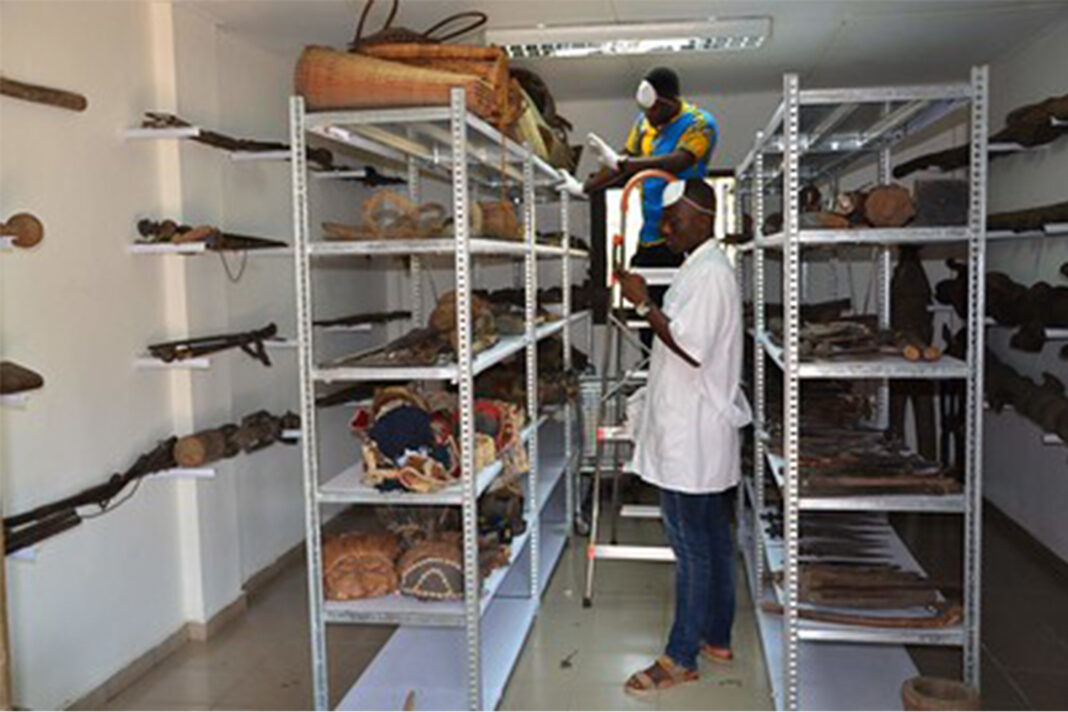
COVID-19 ALIPH to allocate emergency funding to protect cultural heritage
Topics
Popular Categories


Next article


