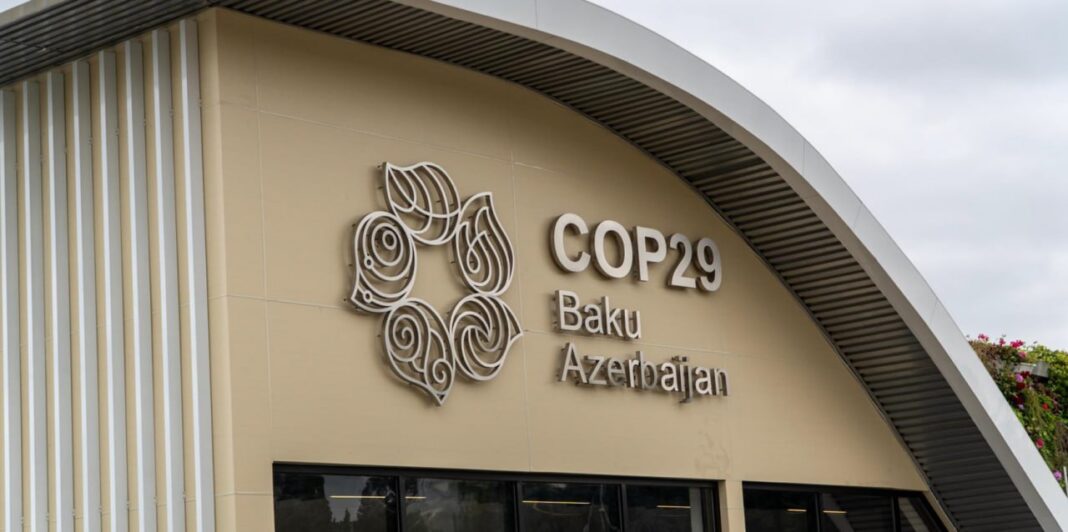
As the world prepares for the upcoming COP29 climate conference, a new report highlights the pressing need for increased climate finance in Africa. The study, conducted by the Oxford Smith School of Enterprise and the Environment, underscores that developing countries, particularly those in Africa, require substantial financial support to combat the impacts of climate change and achieve sustainable development goals.
The report reveals that a justifiable target for climate finance could range from $0.3 trillion to $9.5 trillion annually, with a median estimate of $1.7 trillion. This funding is crucial for addressing the unique challenges faced by African nations, which are among the most vulnerable to climate-related disasters despite contributing minimally to global emissions.
Brian O’Callaghan, the author of the report, emphasizes that many African countries are grappling with extreme weather events, rising temperatures, and economic instability exacerbated by climate change. “The impacts of warming are disproportionately felt in Africa, where communities are heavily reliant on climate-sensitive sectors like agriculture,” he stated.
The report also highlights significant gaps in previous negotiations regarding climate finance commitments. Key variables such as the time value of money and mechanisms to recover missed financial targets have been largely overlooked. The absence of these considerations complicates efforts to secure adequate funding for climate initiatives.
In response to these challenges, the African Union and various stakeholders are advocating for a collective quantified goal (NCQG) for climate finance that reflects the urgent needs of developing countries. The NCQG aims to establish a framework for mobilizing financial resources effectively and equitably.
As COP29 approaches, there is a growing call for developed nations to fulfill their commitments made under international agreements, including the pledge of $100 billion per year in climate finance by 2020. With many African countries still awaiting support, the need for accountability and action has never been more critical.
The upcoming conference presents an opportunity for African leaders to push for a more robust and fair climate finance framework that prioritizes their unique circumstances and fosters resilience against future climate impacts. As negotiations unfold, stakeholders hope that this will lead to tangible commitments that can significantly enhance Africa’s capacity to address climate change and promote sustainable development across the continent.