By Eyasu Zekarias
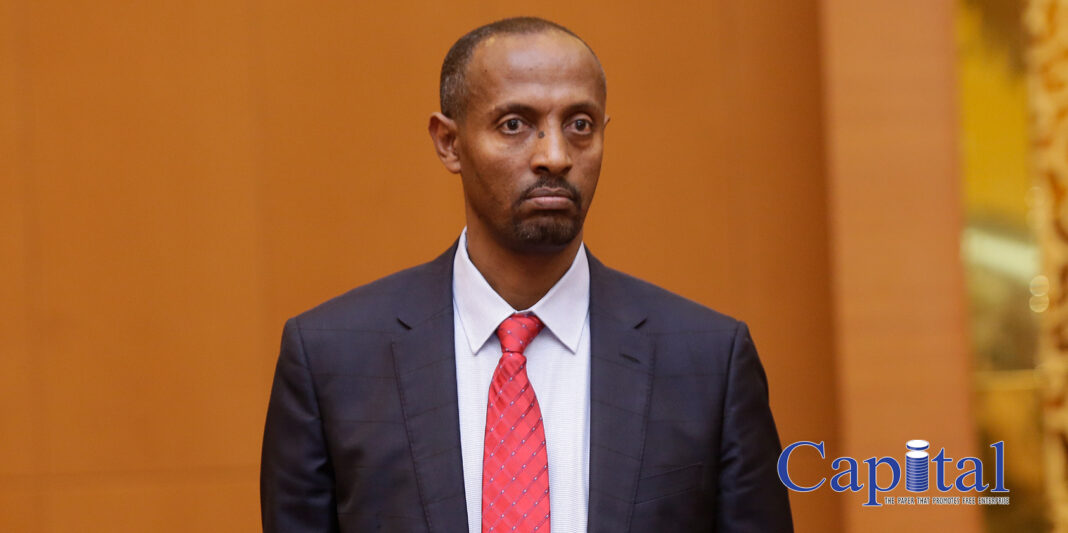
The Minister of Industry, Melaku Alebel, recently addressed the House of People’s Representatives, revealing significant challenges in the country’s foreign exchange supply. He noted that the current demand from banks for foreign currency exceeds typical levels, making it difficult to provide the necessary foreign exchange as planned. This situation has arisen amidst ongoing macroeconomic reforms that have created opportunities for industries by reducing export and import costs.
During his six-month performance report presentation, Minister Melaku highlighted that $468.4 million was initially targeted for the manufacturing sector, representing 79% of the planned amount. However, only $369 million was delivered in the first half of the fiscal year, marking a 35% increase from $274 million during the same period last year. Despite this progress, Melaku pointed out that banks are requiring more bonds than usual due to a lower-than-expected foreign exchange supply.
The minister emphasized the need for banks to reassess their lending practices, urging them to focus on financing the manufacturing sector instead of prioritizing short-term profit-generating ventures. In the past six months, a total of 3.4 billion birr was earmarked for operating loans and lease financing for small and medium-sized manufacturing industries, with an additional 7.8 billion birr planned.
Melaku stated that while policies aimed to increase loan provisions to the manufacturing sector from 13% to 24%, the current rate stands at only 16%. He expressed concern that operating loans for small and medium-sized enterprises have only increased marginally, by less than 1% of available bank capital.
This discussion comes at a time when Ethiopia’s foreign exchange reserves are reportedly dwindling, barely covering one month of imports as of early 2024. The government is under pressure to enhance its foreign currency management strategies amid rising inflation and external debt challenges.