Authorities and development experts are urging Africa nations to address a critical financing gap in agriculture, warning it could jeopardize food security and economic stability across the continent.
While agriculture accounts for more than two-thirds of Africa’s workforce, experts point out that it accounts for less than 4% of commercial loans. The African Development Bank estimates that this creates a funding deficit of $80 billion annually.
This shortage has a significant impact on small farmers and agricultural small and medium-sized enterprises. These entities produce up to 70% of the continent’s food, but they face a lack of access to credit, damaged infrastructure, and high credit costs.
To fill this gap, a new approach is needed, namely an approach that prioritizes smarter and more inclusive partnerships that puts farmers at the center of development efforts, officials said at a recent forum.
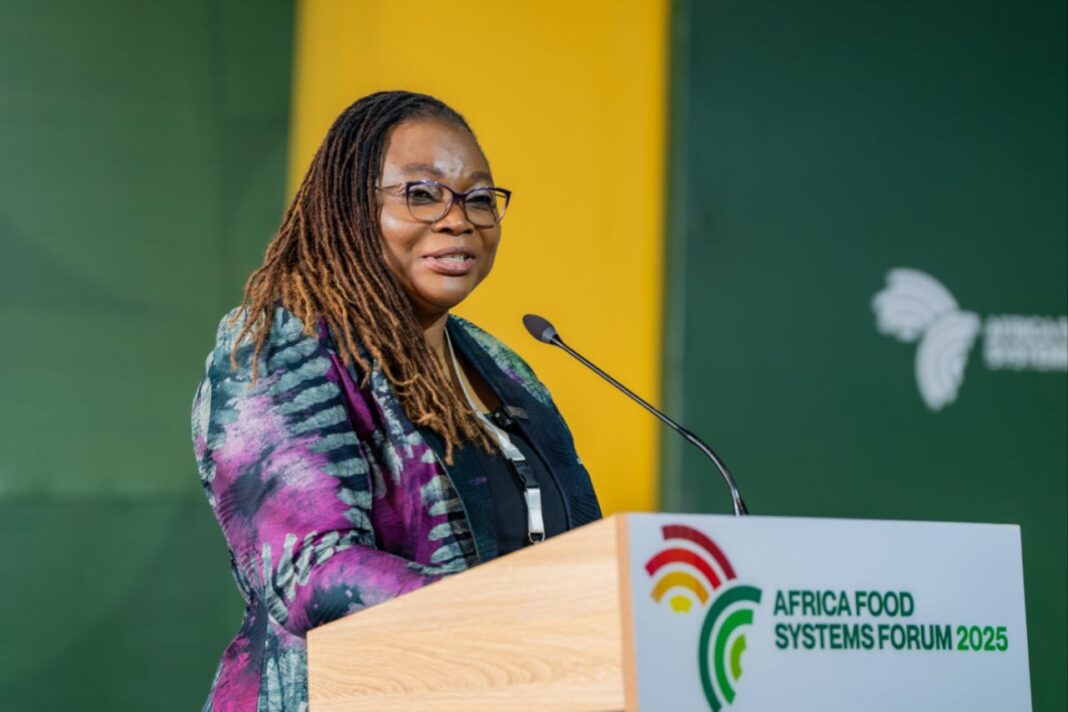
At the African Food Systems Forum in Dakar, Heifer International emphasized the need to move beyond immediate, short-term interventions to integrated systems in order to bring about lasting change in agriculture.
The organization explained how grants and philanthropic grants can attract more investment while aligning with local realities and help young entrepreneurs expand their innovations.
“Africa’s agriculture future will be built with strong partnerships and funding that will help bring ideas to reality,” Surita Sandsham, President and CEO of Heifer International.
The organization showcased successful initiatives in Nigeria, Uganda and Kenya, demonstrating how partnerships with local cooperatives and youth-led enterprises can increase farmers’ incomes, improve food systems, and attract private investment. By strengthening these collaborations, countries can strengthen their food security as their populations grow.
Adesuwa Ifedi, Senior Vice President for Africa Programs at Hifer International, said these results show what is possible when local actors lead the way. “Farmers need to be seen as business partners, young innovators need the opportunity to validate their models, and finance needs to be structured in a way that equally shares risk,” she explained.
By connecting youth-led enterprises and women farmers with cooperatives and designing inclusive partnerships, Hefer is helping national governments make agricultural development often benefit those who are often lagging behind.