A new study reveals that 13 percent of children in Addis Ababa are failing to meet expected developmental milestones, driven by urban pressures and misguided parenting practices.
The findings, presented by the Addis Ababa City Administration, point to multiple causes including inadequate childcare infrastructure, a lack of parental knowledge about Early Childhood Development (ECD), and the isolating effects of modern city life.
Eshetayehu Kinfu, Head of the Strategic Programs Management Office, explained that while Ethiopian parents demonstrate deep affection for their children, this often manifests as “inappropriate” care. “Because we love our children, we give them mobile phones; to keep them safe from outside commotion or quiet, we sit them in front of the television,” he said.
The city’s transformation into a “concrete jungle” has further limited children’s opportunities for outdoor play, sunlight exposure, and essential social interaction through physical activity.
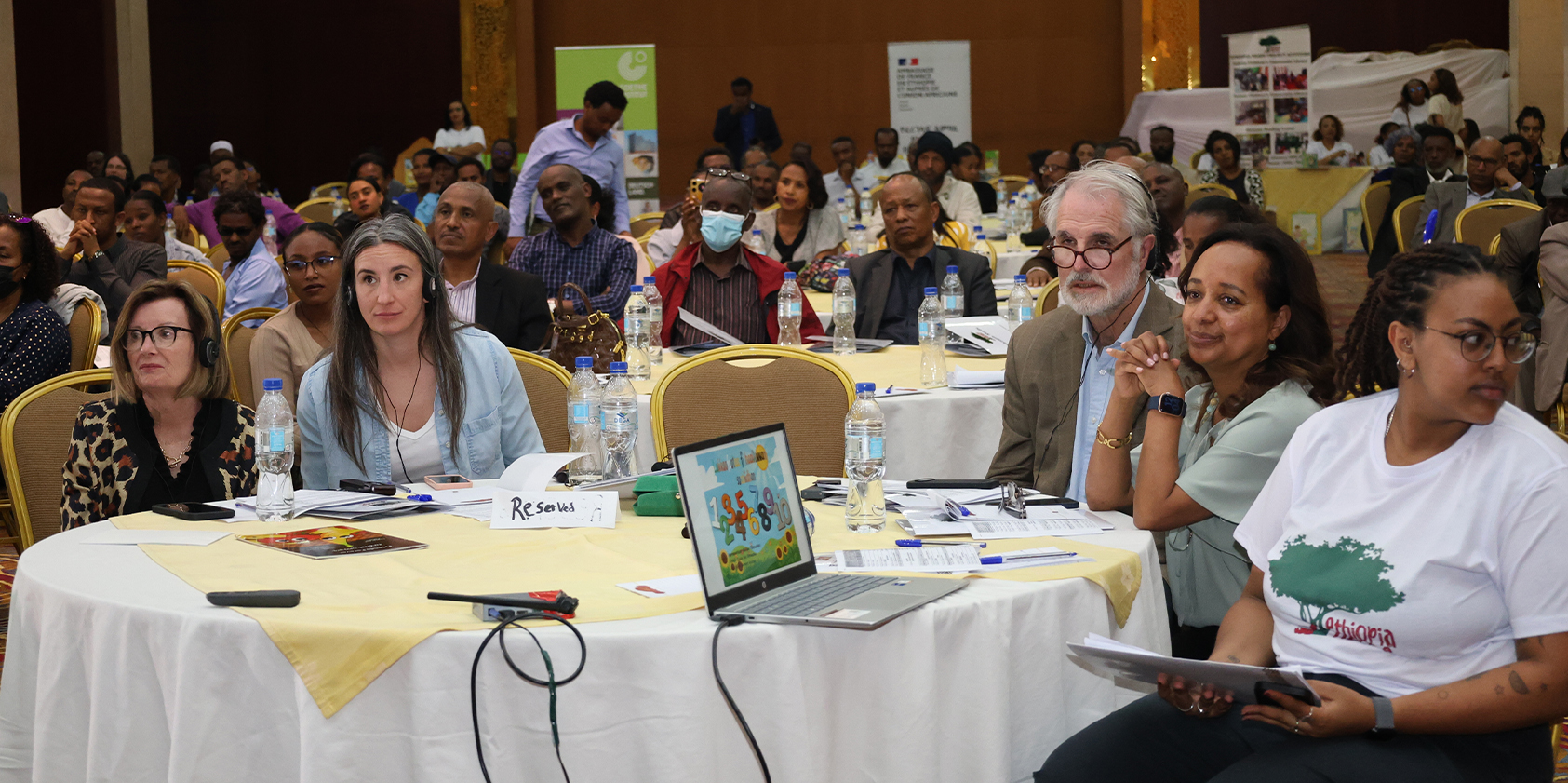
The data was shared during the 6th Annual Children’s Reading Convention, organized by Ethiopia Reads under the theme “Planting the Seed of Reading in Early Childhood.”
To address the crisis, the city administration announced six priority initiatives to be completed by the end of 2026 E.C. (2018), including caregiver capacity building, modernization of health center services, improvements to daycare and pre-primary education, enforcement of children’s right to play, and establishment of an African Center of Excellence for ECD.
Unlike previous siloed approaches, the new strategy adopts cross-sectoral governance, requiring coordination across health, education, and other government bodies.
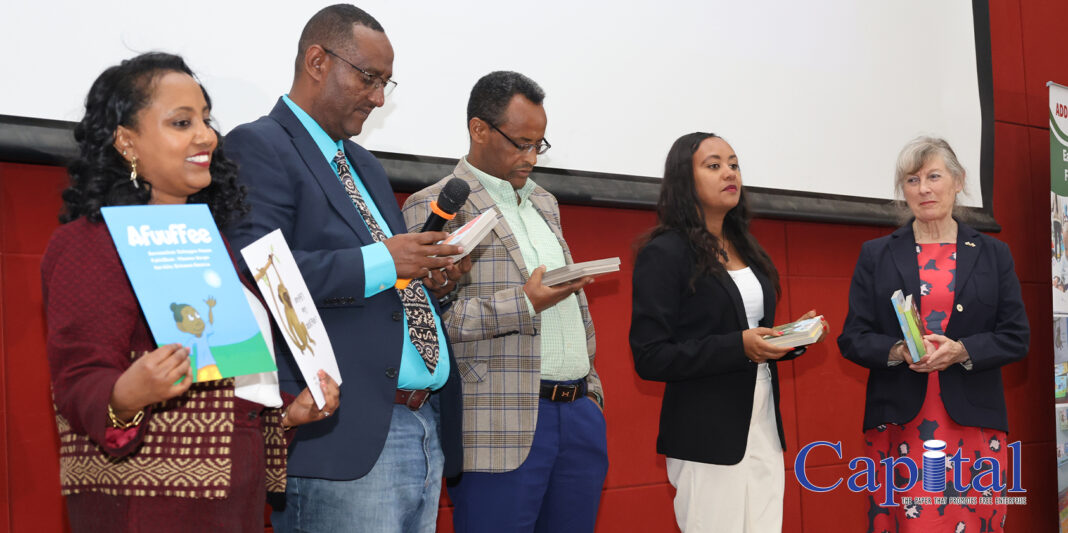
At the convention, Ethiopia Reads and the Addis Ababa Early Childhood Development Office inaugurated 20,000 children’s books in Amharic and Afaan Oromo across 10 titles. These will be distributed to health facilities to promote early literacy as part of the developmental intervention package.