Ethiopia’s insurance sector, which has long operated under the supervisory shadow of the National Bank of Ethiopia (NBE), is on the verge of a historic structural shift. The recently unveiled draft “Insurance Proclamation” mandates the establishment of the Ethiopian Insurance Regulatory Authority (EIRA), a move hailed by industry experts as a significant “leap forward.”
While professionals welcome the transition to an independent regulator, they are expressing growing concern over the board composition outlined in the draft. Experts argue that the current structure focuses exclusively on government leadership, lacking private sector representation and deep technical expertise, which could hinder the ability to navigate complex international financial markets.
This draft law represents the most substantial structural change in the sector in four decades. Once ratified, the new authority is expected to possess 100% operational autonomy, reporting directly to the Ministry of Finance. This step is viewed as a “historic milestone” and a vital infrastructural preparation before the sector opens to foreign competition.
For years, Experts have argued that keeping insurance regulation under the NBE—which primarily focuses on banking and monetary policy—has stifled growth. This has contributed to the sector’s contribution to Ethiopia’s GDP remaining below 1%. While the establishment of the EIRA is the draft’s centerpiece, the board’s proposed makeup remains a point of contention.
According to the proposed framework, the board will consist of seven members led by ex-officio government officials. These include the Governor of the National Bank, a representative from the Ministry of Trade & Regional Integration, the Commissioner of the Authority, and the Director-General of the Ethiopian Capital Markets Authority.
The remaining seats are slated for independent members appointed directly by the Prime Minister.
Industry veteran Asseged Gebremedhin, an insurance broker and consultant, told Capital “This is where the question of true independence arises. In countries like Kenya, India, or the UK, the board usually includes representatives from insurance institutions or professional associations.
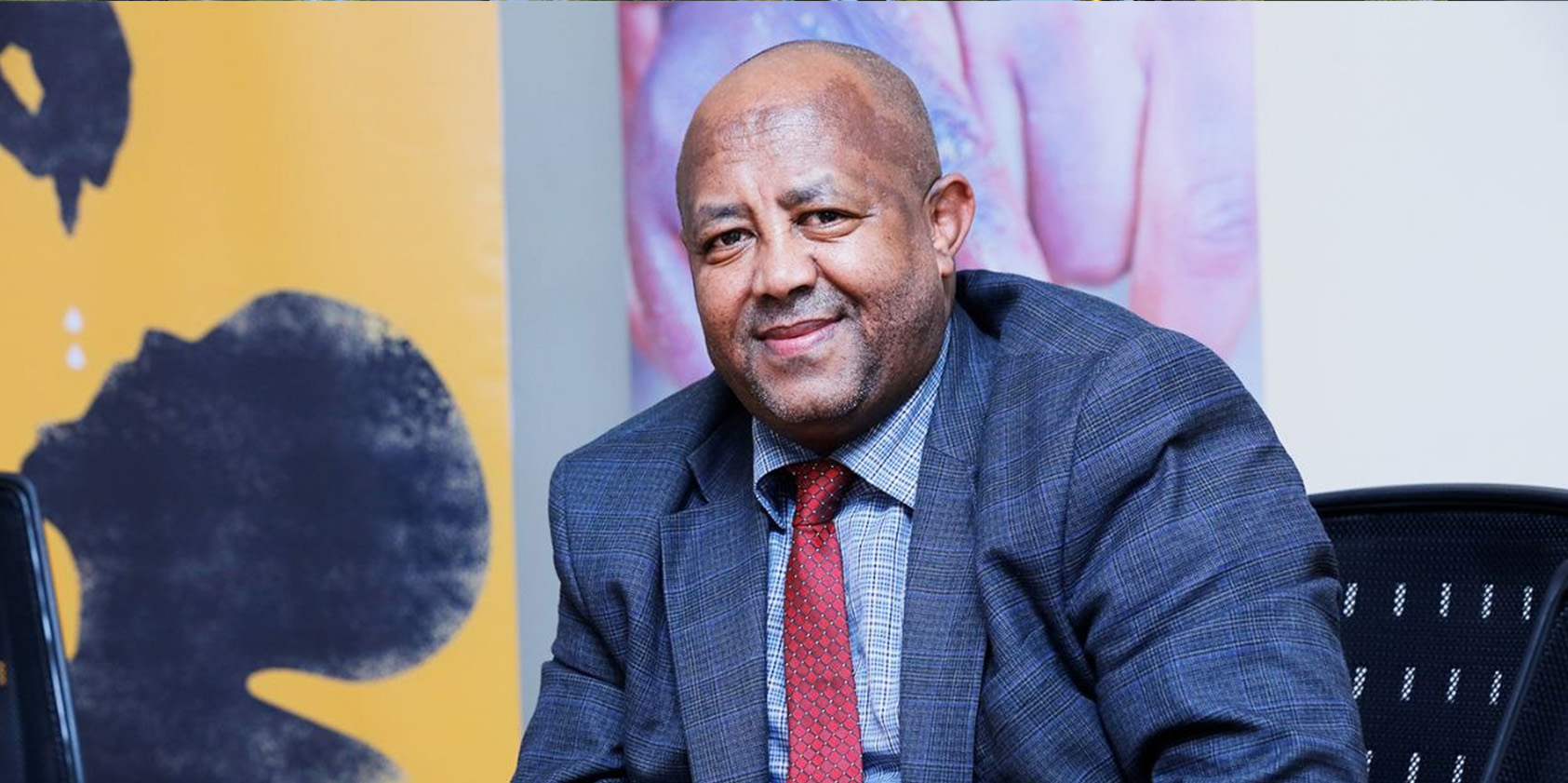
By excluding the private sector, we risk creating a regulator that is technically competent but disconnected from market dynamics.”
Asseged noted that neighboring Kenya utilizes an 11-member board to ensure a broader knowledge base. He argues that the appointment of “independent” members should be based on transparent, fair, and rigorous criteria of integrity and expertise, rather than direct political appointments, ensuring a “due process” seen in more developed markets.
For decades, most Ethiopian insurers have operated as “composite” companies, handling both life and general insurance. Currently, 13 of the 19 insurance companies in Ethiopia operate this way. The new draft, however, mandates specialization, requiring companies to separate their life insurance wings into independent sister companies.
The rationale is clear: the life insurance sector has been largely neglected. Industry players believe specialization will drive growth, though they caution that the transition must be managed to avoid administrative burdens.
The draft’s focus on Inclusive Insurance has garnered positive feedback. Currently, insurance services are heavily concentrated in Addis Ababa. The new proclamation includes a framework for “unbanked and unserved” communities, aiming to protect the crops of farmers, the livestock of pastoralists, and the livelihoods of micro-entrepreneurs.
This proclamation is a key component of Prime Minister Abiy Ahmed’s “Homegrown Economic Reform.” Following the liberalization of the banking sector, the opening of the insurance sector is seen as inevitable. The proclamation serves as a “get ready” signal from the government to domestic companies.
Asseged recalled the 2012 World Economic Forum in Addis Ababa, where former PM Meles Zenawi stated Ethiopia lacked the “regulatory capacity” and “technological readiness” for international competition. Fourteen years later, the current administration is signaling that the time is now. The message to local firms is clear: modernize, merge, or face the consequences.
The draft proclamation includes broad reforms to modernize the sector, strengthen financial stability, and align Ethiopia with international standards. It provides a clear legal path for foreign insurers to enter the market through locally incorporated subsidiaries. It also facilitates wider ties with international reinsurers to increase underwriting capacity and distribute risk effectively.
Furthermore, the law introduces a “Regulatory Sandbox” for the digital economy, allowing companies to test innovative FinTech-led insurance products in a controlled environment. It also permits banks and microfinance institutions to sell insurance through Bancassurance and officially implements index-based insurance, which is critical for the agricultural sector.
To ensure rapid expansion does not compromise safety, the draft mandates that all insurers hire external actuaries and establishes a “Resolution Authority.” This body will have the power to intervene in insurance companies facing insolvency to protect the interests of the public and policyholders.