Civil society organizations and development partners are urging the Ethiopian government to establish strict market regulation and accountability mechanisms, as the intended retail price reductions for women’s menstrual hygiene products have not been properly implemented for consumers.
Non-governmental organizations (NGOs) say that despite previous fiscal reform measures aimed at reducing the economic burden on women, structural bottlenecks, weak supply-chain monitoring and low awareness continue to disrupt the process, leaving millions of women and girls still facing difficulties.
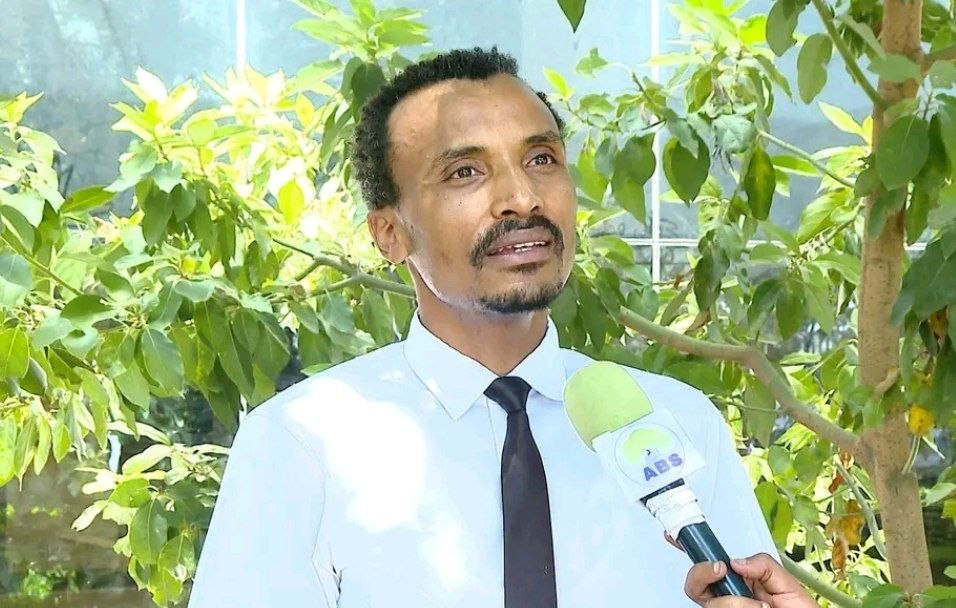
Speaking to Capital on the issue, Tolessa Olana, Prevention, Africa Union Liaison and Advocacy Manager (PAULAM) at AHF Ethiopia, said the lack of access to menstrual health products has become a major barrier to gender equality, health, education and economic productivity in Ethiopia.
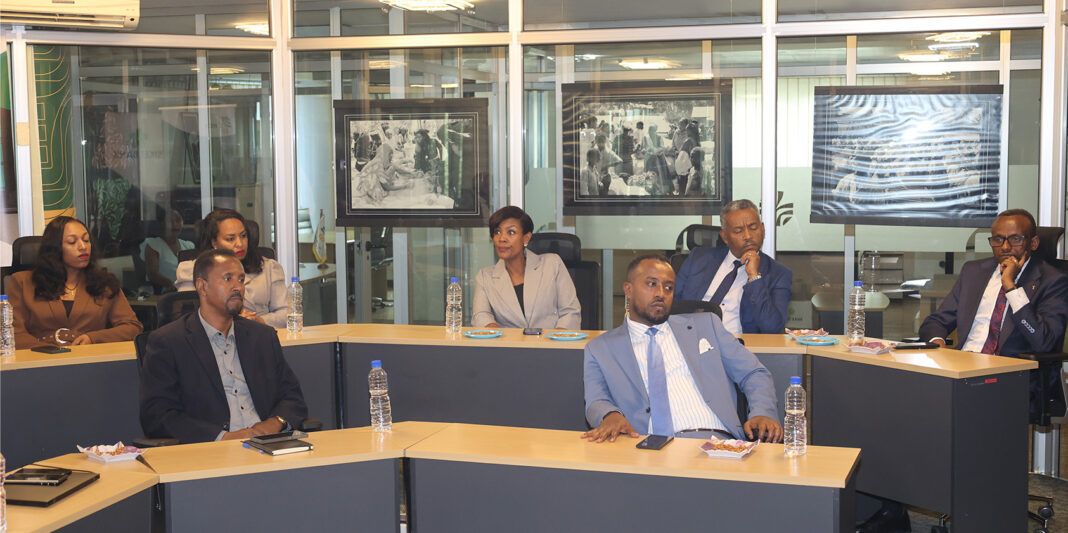
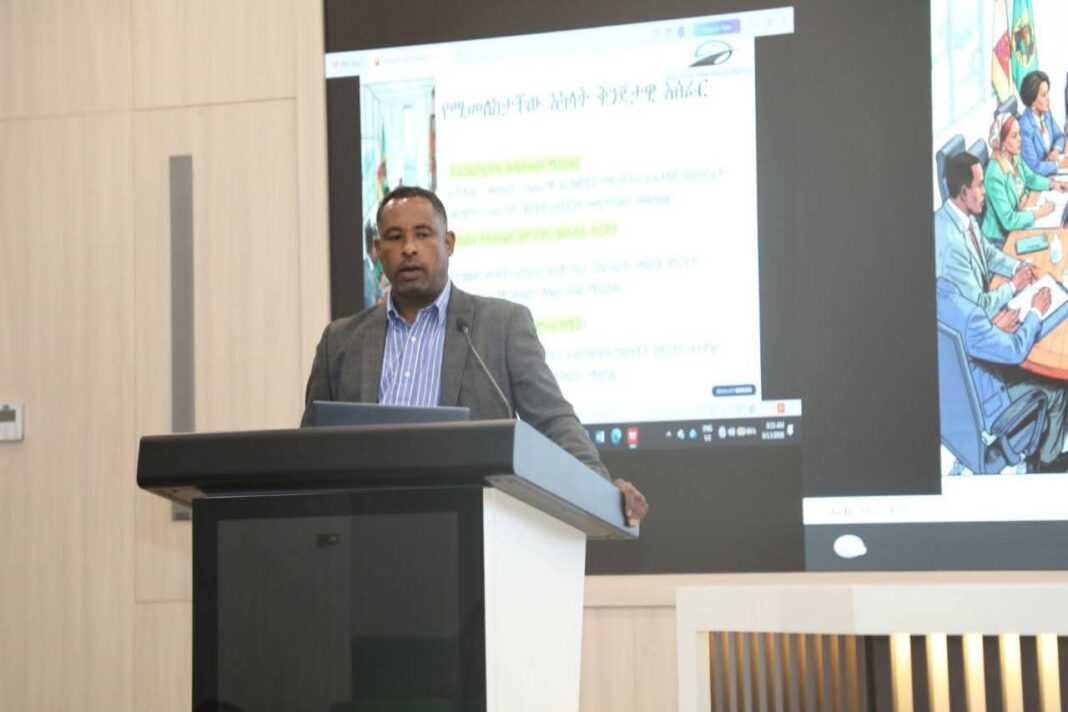
According to a comprehensive draft policy document presented in 2025, titled “Zero Tax on MHH Products & Quality Access: Advancing Menstrual Equity in Ethiopia,” a detailed roadmap has been outlined to remove structural barriers facing Menstrual Health and Hygiene (MHH) products.
The draft document, collaboratively prepared by the Ministry of Health (MoH), the Ministry of Education (MoE) and more than 10 partners, including AHF, UNICEF and others, along with local manufacturers of reusable sanitary pads, shows that only about 30 percent of women in Ethiopia currently have access to modern menstrual hygiene products.
The consequences of this shortage are severe: one in 10 adolescent girl misses regular school days because of menstruation, while many women are forced to cope with reduced productivity or absenteeism in the workplace.
Although the government has previously adjusted import tariffs, a maximum Value Added Tax (VAT) of 15 percent still applies to disposable pads and other MHH products. The problem is compounded by a 10 percent import duty on finished products and high taxes on raw materials used in production.
Tolessa Olana said that despite high-level policy discussions with importers, retailers and social marketing actors, no tangible impact has been seen at the community level. He noted that although extensive discussions have been held with manufacturers, importers, distributors and social marketing networks, awareness of the tax exemptions remains low.
Furthermore, because the market is not continuously monitored and strictly regulated, it is difficult to verify whether tax relief is actually benefiting consumers or simply increasing profit margins for middle-tier traders in the supply chain.
Citing broad macroeconomic data, Tolessa said Ethiopia’s main challenge is not a lack of research or studies, but implementation bottlenecks. Recent studies also indicate that high inflation on basic commodities is worsening the situation.
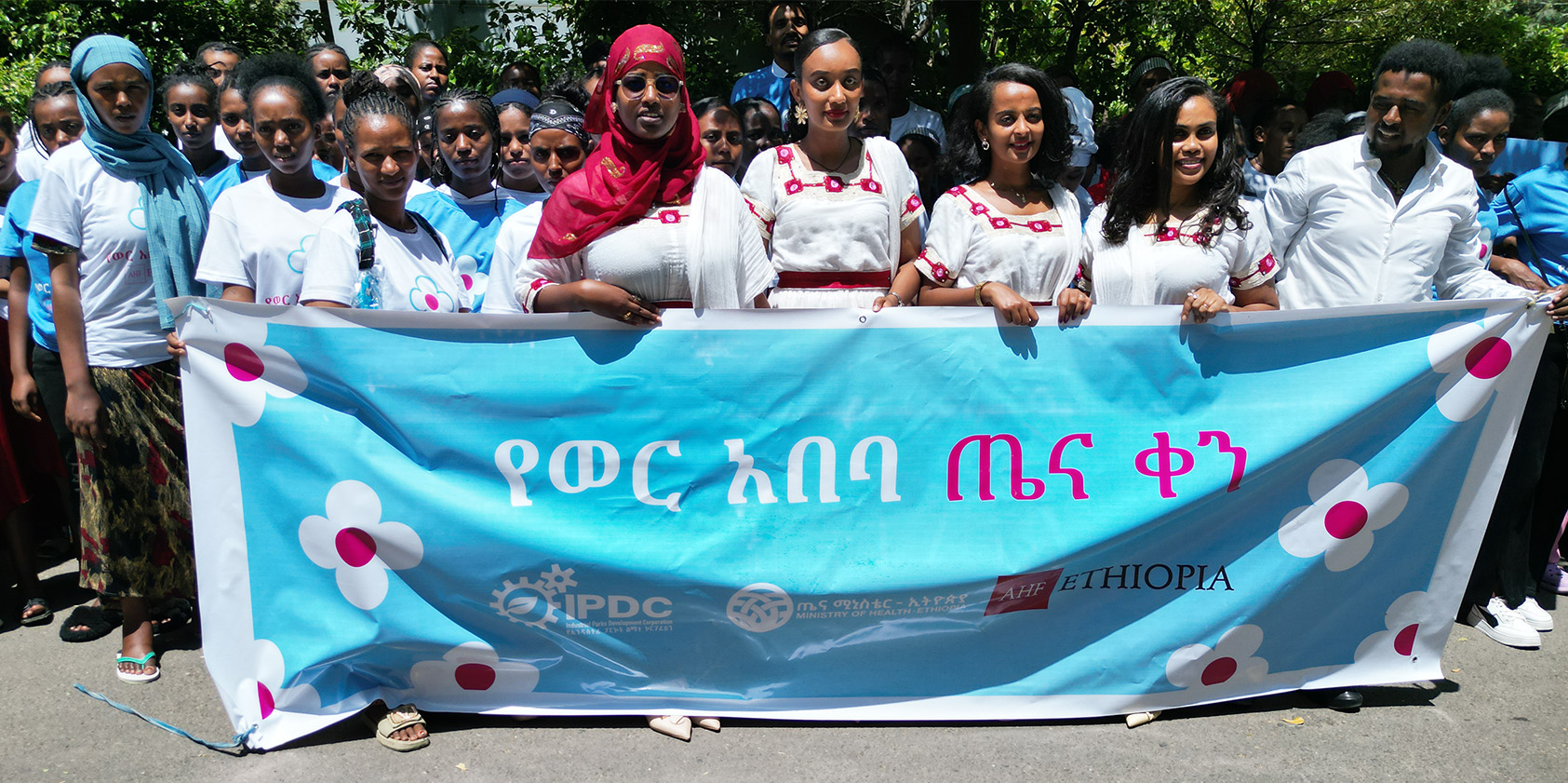
Due to these high costs, many low-income and rural residents are forced to use unhygienic alternatives such as rags and leaves, significantly increasing their long-term vulnerability to reproductive and urinary tract infections (UTIs). This issue was reflected last week during the celebration of Menstrual Hygiene Day on June 12 at the Adama Special Economic Zone, held under the theme: “Let’s Jointly Ensure a Country Comfortable for Menstrual Hygiene and Services.”
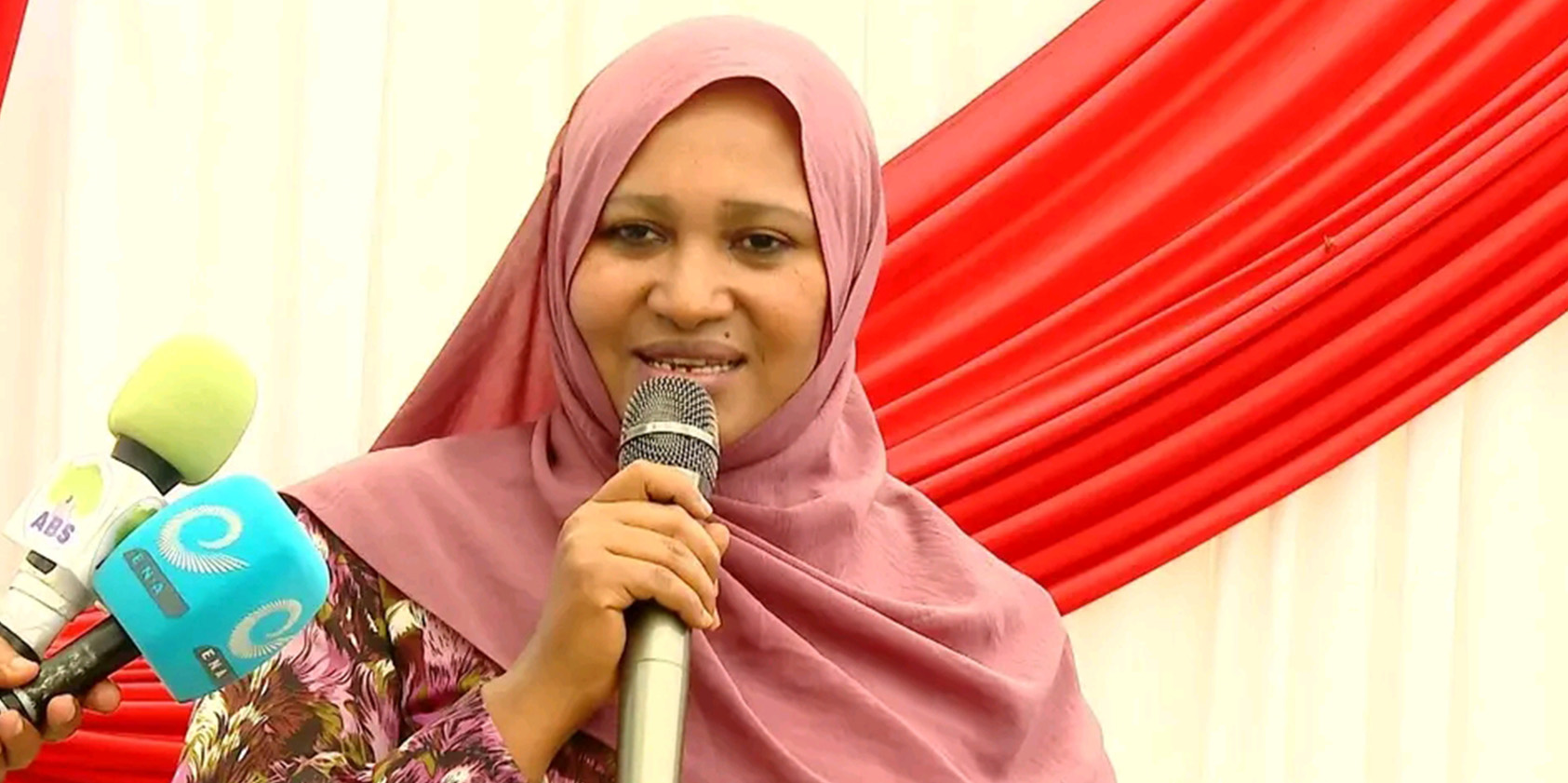
Speaking at the event, Fatuma Seyid, Executive for Women and Social Affairs Mainstreaming at the Ministry of Health, said the main objective of marking Menstrual Health and Hygiene Day annually is to create favorable conditions so that women and adolescent girls can maintain their hygiene, dignity and safety during menstruation.
While the annual observance has brought a significant shift in awareness among communities, leaders and girls themselves, she noted that gaps remain. Due to persistent lack of awareness, menstruation is often treated as a minor illness in workplaces, preventing women from receiving sick leave, and there is still a lack of coordinated systems across sectors.
The Ministry of Health further noted that the soaring price of products, exacerbated by the current high cost of living, together with limited access outside urban centers, is forcing many girls to miss school and work. To address the price and accessibility challenges, the ministry said it is working with various stakeholders and ministries on potential duty-free exemptions and other policy reforms.
Data suggests that the domestic crisis has been further aggravated by the decline in international humanitarian funding. Historically, international non-governmental organizations (INGOs) helped bridge the supply gap by purchasing and distributing sanitary kits through donor-funded emergency aid and education support initiatives.
However, over the past two years, severe funding shortages have forced several major aid organizations to scale down their operations or close their offices entirely. As donor countries prioritize domestic economic concerns or redirect funding elsewhere, the financial safety net that previously protected millions of Ethiopian students from product shortages has weakened significantly.
At the same time, local manufacturers trying to fill the supply gap face severe operational hurdles. Companies seeking to import raw materials for domestic production are hit by complex tax structures, high import duties and regulatory delays at customs points.
This drives up production costs, forcing local factories to pass the burden on to consumers. Civil society groups argue that menstrual hygiene should no longer be viewed narrowly as a health or tax issue, but rather as a core pillar of national educational infrastructure.
Organizations such as AHF are calling on the Ministry of Education and regional health bureaus to establish a permanent, dedicated budget line to distribute free sanitary products across all public schools, similar to the administrative and financial frameworks used for national school feeding programs.
Despite current administrative delays, partner organizations remain optimistic that the federal government will take decisive institutional action to implement retail price caps, streamline incentives for local manufacturing and protect the educational rights of female students across the country.