Ethiopia is set to benefit from improved access to biotechnology and biosafety information following the launch of a new continental digital platform aimed at enhancing transparency and supporting evidence-based decision-making across Africa.
The newly introduced Biotech Africa Database, developed by the International Service for the Acquisition of Agri-biotech Applications (ISAAA AfriCenter) and its partners, brings together country-specific information on biotechnology regulations, approval decisions and procedures governing the movement of biotech products across African borders.
The online platform is designed to provide a single source of reliable and up-to-date information on the import, export and transit requirements of biotech products, making it easier for regulators, traders, researchers and policymakers to access essential regulatory data.
For years, biotechnology and biosafety information in Africa has been dispersed across multiple government agencies, official gazettes and regulatory documents, creating challenges for stakeholders seeking timely and accurate information. This fragmentation often led to compliance difficulties, delays in trade processes and uncertainty for businesses operating in several countries.
The new database seeks to eliminate these obstacles by consolidating regulatory information in one accessible location, thereby promoting regional cooperation, informed decision-making and the responsible adoption of agricultural biotechnology.
Speaking at the launch event, ISAAA AfriCenter Director Dr. Margaret Karembu described the initiative as a significant milestone for the continent’s agricultural transformation.
“Today we have opened a door where data replaces rumours, where a farmer in Kampala sees the same biotech information as a researcher in Kaduna, a trader in Johannesburg and a policymaker in Addis Ababa,” she said.
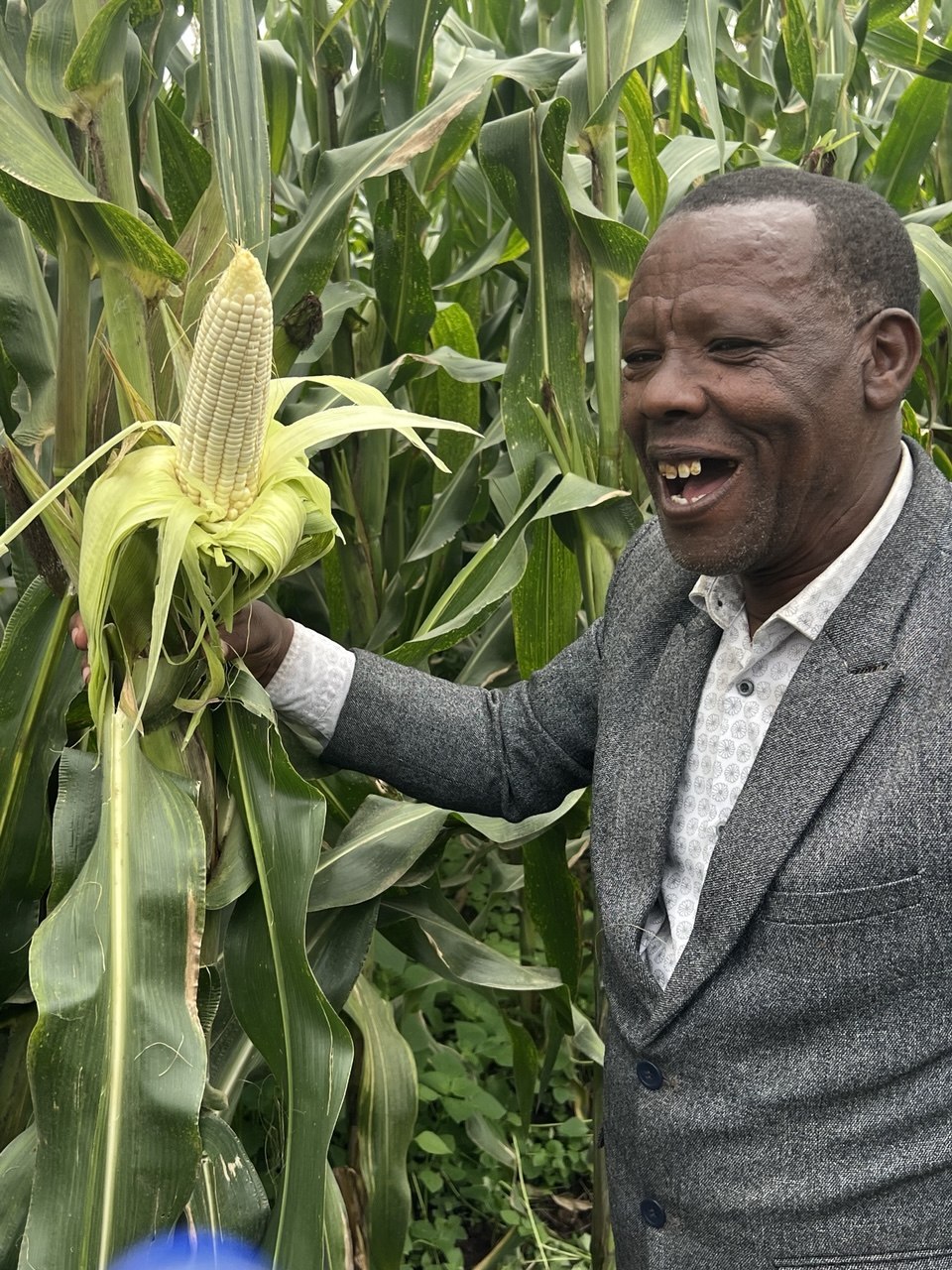
Ethiopia is among 73 countries worldwide that either cultivate or trade biotech crops. The country has approved two genetically modified crops for commercial production: insect-resistant maize and bollworm-resistant cotton. Both are regulated by Ethiopia’s biosafety authority, the Environmental Protection Authority.
The country also permits the importation of genetically modified food and animal feed, provided the necessary regulatory authorization is obtained.
Globally, more than 20 biotech crops are grown across 31 countries, covering approximately 218.7 million hectares of farmland. In addition, 29 countries import biotech products for food, feed and industrial processing.
Across Africa, ten countries have approved the cultivation of six biotech crops, namely cassava, cotton, cowpea, maize, potato and soybean. These countries include South Africa, Sudan, Malawi, Ethiopia, Kenya, Nigeria, Eswatini, Ghana, Burkina Faso and Rwanda.
Biotech crops have been developed to address key agricultural challenges by incorporating traits such as drought tolerance, resistance to pests and diseases, enhanced nutritional value, higher productivity and herbicide tolerance.
Africa currently cultivates nearly 4 million hectares of biotech crops, accounting for about two percent of the world’s total biotech farming area.
Experts say agricultural biotechnology has already improved the livelihoods of more than 17 million smallholder farmers in developing countries by increasing crop yields and reducing reliance on expensive chemical inputs. The technology is also helping farming communities build stronger resilience against climate-related and production challenges.
For Ethiopia, the new platform is expected to strengthen regulatory efficiency, facilitate regional trade and support the country’s ongoing efforts to modernize agriculture and improve food security.