Young people across the world still want relationships, families and a positive future, but many say economic insecurity, housing costs and weak support systems are making those goals harder to reach, according to a new UNFPA survey.
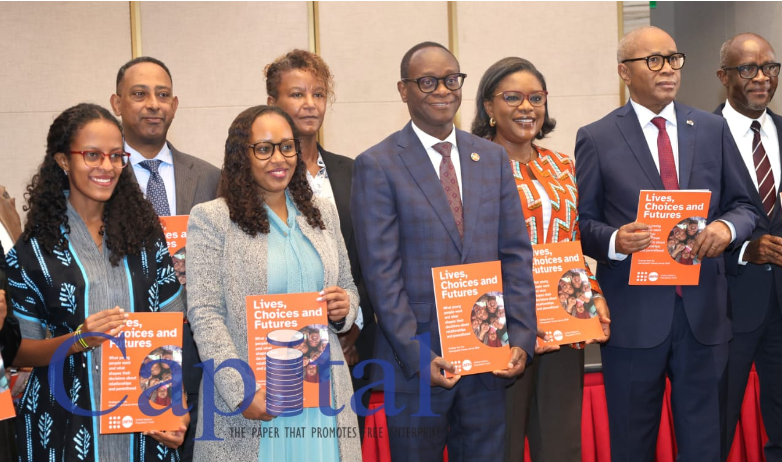
The Demographic Futures Survey 2026, titled Lives, Choices and Futures, found that economic security and good health are the top life goals for young adults, while family life remains important for a large share of respondents. It also found that two thirds of respondents feel somewhat or very positive about the future, even as they worry about conflict, inequality and economic pressure.
The survey covered 108,926 Internet-connected young adults aged 18 to 39 across 73 countries and territories. UNFPA said the findings show that many young people continue to aspire to partnerships, marriage and parenthood, but that those aspirations are shaped by financial security, stable employment, housing affordability and broader social conditions.
Economic worries were prominent across the sample. More than three quarters of respondents said conflict and security risks, as well as economic insecurity and inequality, were somewhat or very worrying, while artificial intelligence ranked as the least worrying of the issues tested. At the same time, the report found that optimism remains strong in many lower-income settings, especially in West and Central Africa and East and Southern Africa.
The survey also found that family aspirations remain common. More than two thirds of respondents said their ideal relationship pathway includes marriage, either before or after cohabitation, while 16 percent said they ideally want to remain single. Among respondents aged 25 to 39 who ideally want to marry or live with a partner, around one quarter are currently single and not dating, with the share higher among men than women.
Financial security emerged as the strongest factor in partnership formation, with 81 percent of respondents rating it as important. Economic and housing constraints were the most commonly cited barriers to partnership, and respondents also placed high value on emotional well-being, independence from parents and having children.
When it came to parenthood, two children was the most commonly reported ideal family size in most regions. The survey found that financial security, stable employment and emotional readiness were the leading preconditions for feeling ready to have children, while economic and housing constraints were the most frequently cited barriers to parenthood.
UNFPA said the findings point to a gap between aspiration and reality, and suggest that many young people want families but need stronger economic and social support to make those choices possible. The report also notes that attitudes toward family life, work and caregiving continue to be shaped by gender norms, with women generally rating the preconditions and barriers to parenthood as more important than men.
The survey adds that young people’s views on opportunity and inequality vary sharply by region and income level, but perceptions of inequality remain widespread across the board. It also shows that social media and online platforms are deeply embedded in young people’s daily lives, with entertainment, work, news and keeping in touch with family and friends among the most common uses.
UNFPA said the survey is meant to inform policy discussions on employment, housing, reproductive health, childcare and gender equality. The agency argued that creating the right conditions would help young people build the lives they want, have the children they want and choose the timing that works for them.