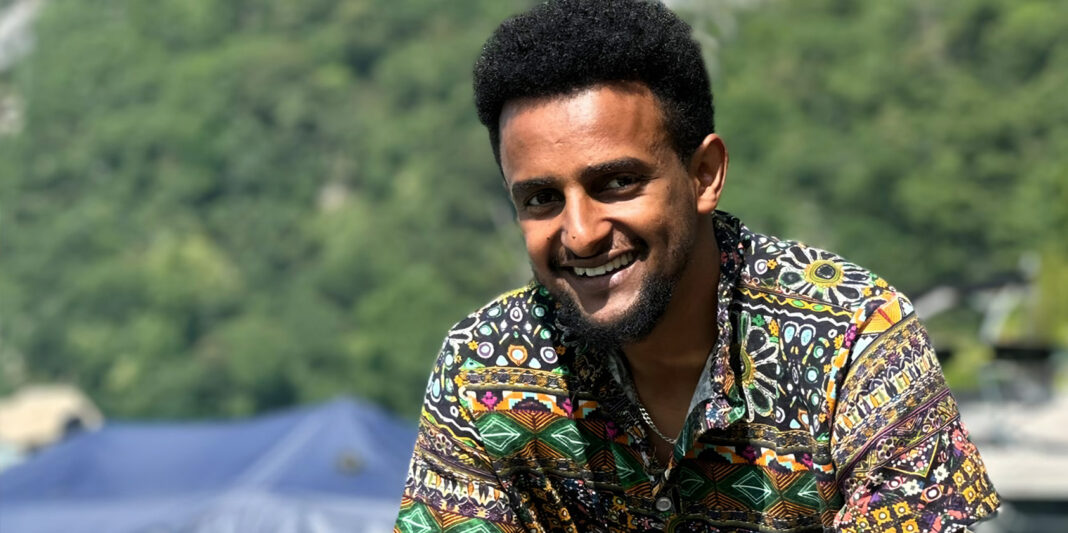
Minasie Terefe is an award-winning animation director and Co-Founder of Behagerlij Studio, Ethiopia’s premier animation studio. With over 10 years of experience and a background in Architecture and Theology, his work blends structure, emotion, and culturally grounded storytelling. He has directed visually rich shorts including “Zarem Arbegna” and “Endegena”, which have won multiple awards and screened globally. In 2026, he made African history with a continent-first double win at Annecy Festival MIFA Pitches—taking the Disney and AGrAF (Association des Auteurs Groupement de l’Animation Française) Prizes—for his preschool animated series “Sunday Morning”. He currently leads creative vision for original IPs and is committed to strengthening Ethiopia’s animation ecosystem while contributing to Africa’s effort to tell and sell its own stories.
Capital: How did your principle of blending Ethiopian culture with modern digital art transition you from a startup studio to international recognition?
Minasie Terefe: From the beginning, our goal was never simply to make animation. We wanted to prove that stories from Ethiopia could stand confidently on the world stage without pretending to be from somewhere else. Many people think international success comes from making your work look or feel Western. I have always believed the opposite. The more honest and specific you are, the more universal your work becomes.
When Behagerlij started, we were a small studio with limited resources but a clear conviction. We focused on developing our artistic voice instead of chasing trends. Whether we were designing brands, producing short films, or developing original stories, we kept asking the same question: “What can only come from here?”
That philosophy gradually opened doors. Projects like Endegena, Zarem Arbegna, and now Sunday Morning became stepping stones. Being selected for Annecy MIFA and receiving prestigious recognition from Disney and AGrAF wasn’t something we planned for from day one. It was the result of years of consistently investing in originality. Those awards didn’t change who we are. They confirmed that authenticity can travel.
Capital: Your work is very diverse, ranging from short animations like “Endegena” and “Zarem Arbegna” to cultural children’s books like “Hasset’s House” and brand designs. How has it been possible to maintain a consistent artistic identity across these different mediums?
Minasie: The medium changes, but the questions we ask never do.
Whether we are making a children’s book, an animated film, or designing a visual identity for a company, we begin by understanding people. What makes them laugh? What gives them hope? What memories do they carry? Design and art are simply different ways of expressing the same curiosity.
I also come from an architecture background, and I think that shaped the way I see creative work. Architecture teaches you that every decision should serve a purpose. I try to approach storytelling the same way. Every color, every movement, every character design should contribute to the emotional experience.
If someone looks at our work and says, “This feels like Behagerlij,” even before they see our logo, then we’ve done our job.
Capital: What do you think are the main institutional, financial, and technical challenges local artists face when trying to transition to their own Intellectual Property (IP) works?
Minasie: The biggest challenge isn’t talent. Ethiopia has incredible artists. The challenge is the ecosystem around them.
Most creative businesses survive by doing client work because that pays today’s bills; and there is absolutely no shame in that. But original IP is different. You invest for years before seeing any financial return, and that requires capital, strong institutions, and people who understand the value of intellectual property; which is almost non-existent in Ethiopia.
Ironically, we often place a higher value on fixed assets like houses and cars than on intellectual property, even though a well-developed IP can continue generating revenue for decades through licensing, distribution, publishing, merchandising, and countless other opportunities. Until we begin to see intellectual property as a long-term asset rather than just a creative idea, it will remain difficult for more creators to make that transition.
Animation also requires long development cycles. You need writers, artists, producers, sound designers, technical directors, and many other specialists working together. Building that pipeline is difficult when training opportunities are limited and financing is scarce.
But I think the biggest shift is psychological. We need to move from thinking of ourselves as service providers to becoming creators and owners of original worlds. Once we begin building valuable IP instead of only delivering projects for others, we create assets that can continue generating value for years.
Capital: While ensuring that your content is deeply rooted in local Ethiopian culture, psychology, and humor, how do you manage to balance this so that it remains appealing to an international audience?
Minasie: I don’t think culture and universality are opposites. The emotions are universal. The expression is local.
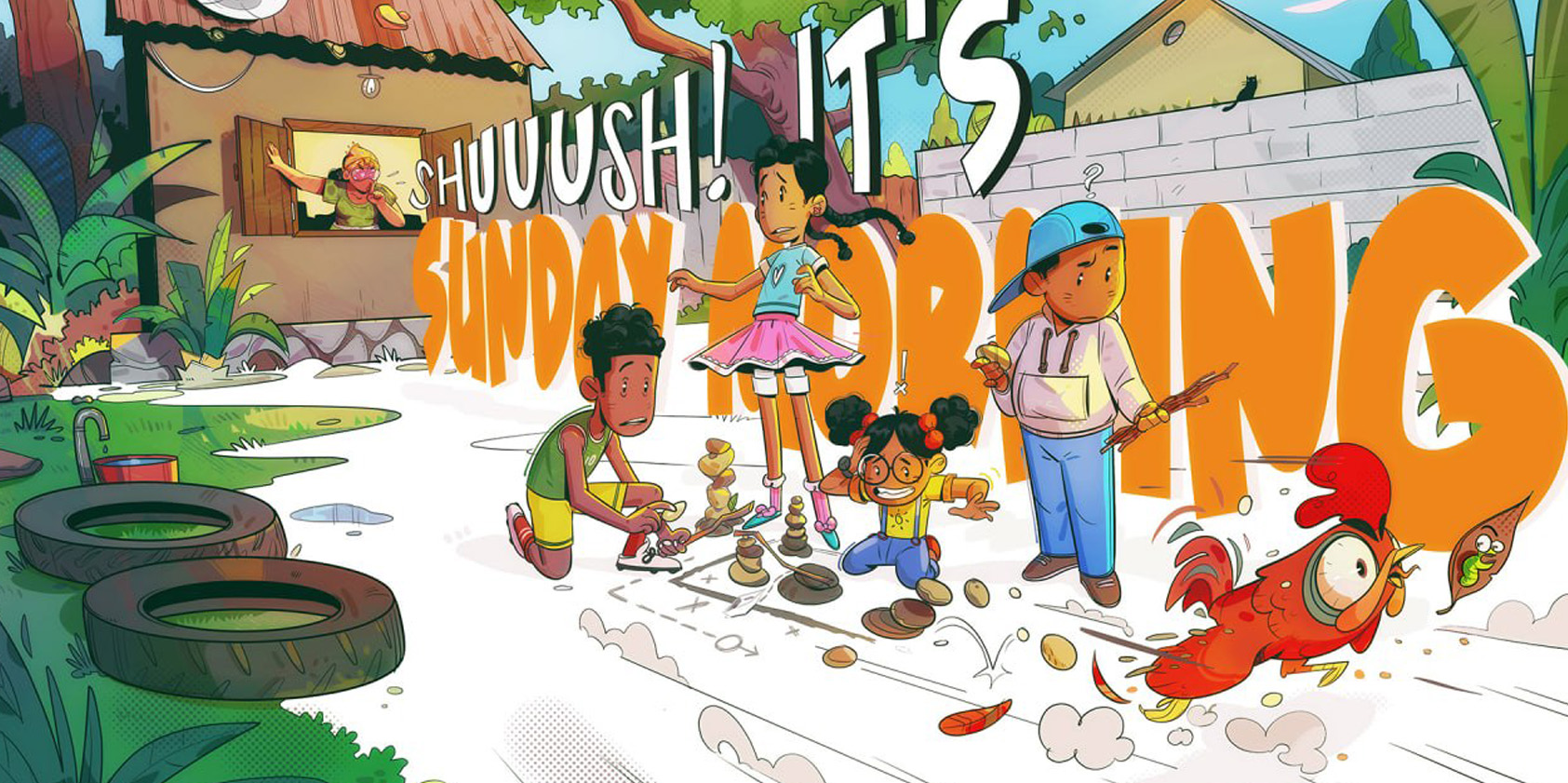
In Sunday Morning, the setting is unmistakably Ethiopian. The neighborhood, the rhythm of family life, the little details all come from our experiences. But the story isn’t about Ethiopia. It’s about childhood. And childhood is universal. Every child has wanted to play when adults wanted peace. Every parent has wanted just a few quiet moments.
That’s why we chose to make the series without dialogue. It wasn’t a marketing decision. It was a storytelling decision. In our world, silence is the rule and imagination is the tool. Visual comedy, music, and performance allow families from different languages and cultures to experience the same story together.
The more truthful we are to our own experiences, the more it has a sense of place and the less we have to explain them.
Capital: Animation and digital storytelling require high-level technical training, specialized software, and strong computing infrastructure. How are you managing the tasks of cultivating a skilled workforce and overcoming resource limitations while based in Addis Ababa, Ethiopia?
Minasie: Resource limitations are real, but they have also forced us to become intentional.
Instead of trying to compete by having the biggest team or the most expensive technology, we’ve focused on developing strong artistic foundations. Software changes every few years. Good storytelling doesn’t.
We’ve also been fortunate to benefit from the equipment and creative space provided through Habesha Creative Lab at Alliance Ethio-Française, which has been invaluable as we’ve continued to grow. At the same time, we’ve invested a lot in mentoring young artists, building workflows that fit our reality, and creating an environment where people can keep growing. Every project becomes a classroom.
Sometimes working in Ethiopia means finding creative solutions that larger studios never have to think about. But constraints can also sharpen innovation. You become disciplined. You learn to solve problems instead of waiting for perfect conditions.
Ultimately, we’re not just building projects. We’re trying to build people. If the industry is going to grow, we need more artists, more producers, more technical specialists, and more studios succeeding together.
Capital: It is known that representing Ethiopia at international animation festivals and winning Disney and AGrAF awards for “Sunday Morning” took place. What does this recognition mean for the studio and for promoting East African animation?
Minasie: Personally, the awards were encouraging. But I think their greatest value is symbolic.
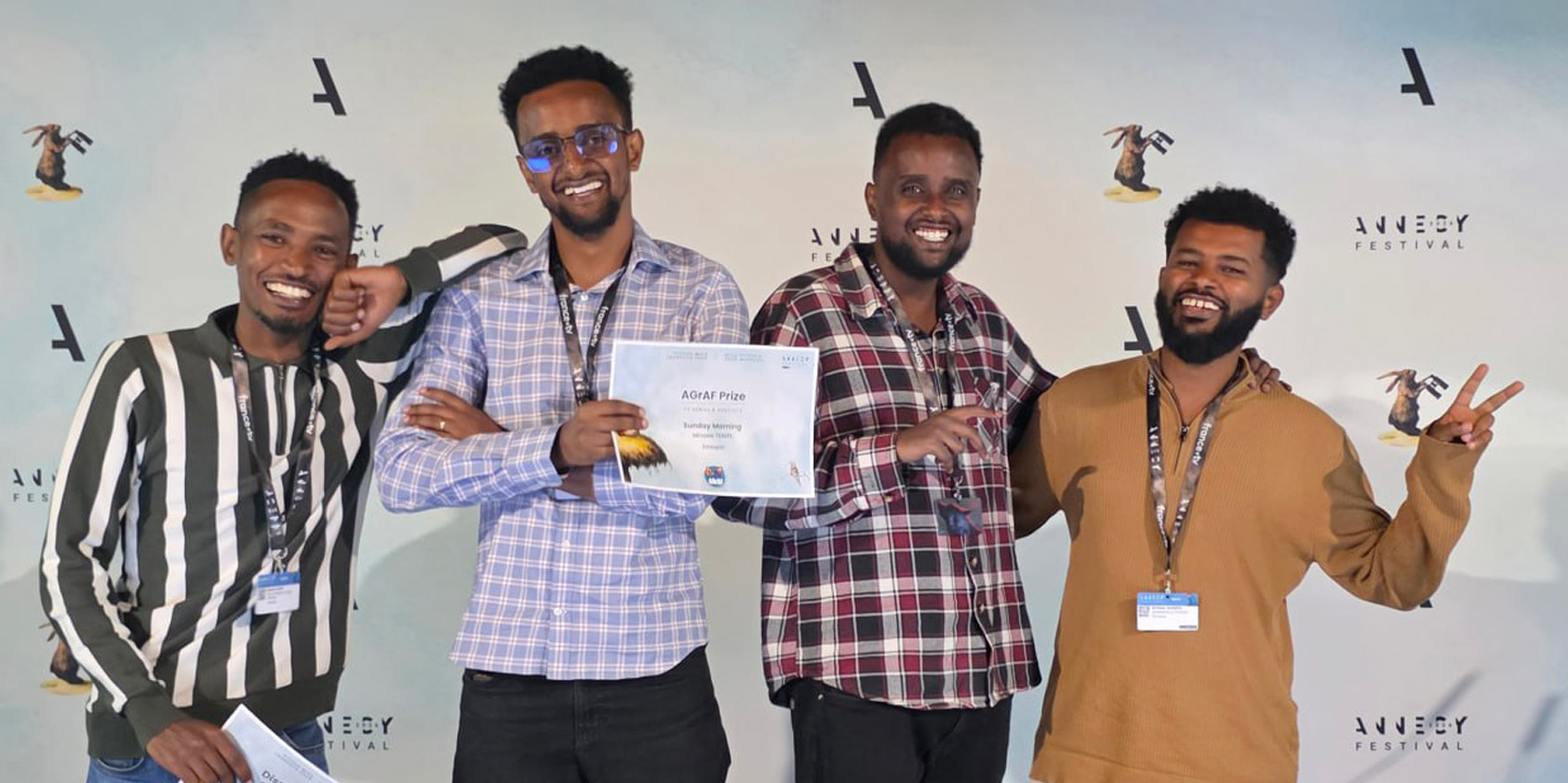
For the first time in Annecy Festival’s 66-year history, an Ethiopian project was officially selected to pitch at the MIFA Pitches. Sunday Morning then went on to receive both the Disney and the AGrAF Awards, making it not only Ethiopia’s first win at the festival, but also the first project from Africa to comeback with a double-win. That matters because representation changes expectations.
I hope it sends a message that world-class animation can come from East Africa. Not someday, but today.
It’s true that for Behagerlij, it creates opportunities to build meaningful partnerships with broadcasters, distributors, and producers who may never have looked toward Ethiopia before. But what excites me even more is what it could mean for those coming after us. If our journey makes it a little easier for the next generation of Ethiopian and East African animators to be taken seriously, to access opportunities, and to dream a little bigger, then that will be our greatest achievement. Success is most meaningful when it opens doors for others.
Capital: “Sunday Morning” portrays a universal childhood aspect where four children turn Sunday into an adventure so as not to disturb their resting mother. How much of this comedic content is drawn from your own childhood memories?
Minasie: Quite a lot, actually. I grew up in a home where Sundays had their own rhythm. After church, everyone slowed down. Our parents wanted to rest, but my siblings and I had only one thing on our minds: play, play, and more play! That fun little tension was always there. And looking back now, I realize just how many funny and beautiful moments came out of it.
The series isn’t based on one specific memory. It’s based on a feeling that I think many of us recognize. Whether it’s an Ethiopian toddler or a French mom, any household with children can relate to that dynamic.
As children, ordinary places became extraordinary because our imagination transformed them. Terepezas became trains. Koba sheguts became AK 47s. We had this incredible superpower of turning the ordinary and mundane into something wild and magical.
That spirit is really the heart of Sunday Morning. The children don’t have extraordinary toys or magical powers. Their greatest resource is imagination. In many ways, the show is a celebration of something we all had as children but often lose as adults: the ability to create entire worlds out of almost nothing.
Capital: What is the future plan for Behagerlij? Where do you think the overall Ethiopian animation sector currently stands?
Minasie: Our ambition has never been to make one successful project.
We want Behagerlij to become a studio known for creating original stories that travel globally while remaining unmistakably Ethio-African. Sunday Morning is an important milestone, but hopefully it’s only the beginning.
We’re interested in building long-term IPs, training new talent, advocating authentic storytelling and showing that sustainable animation businesses can emerge from Ethiopia.
As for the industry, I think we’re at an early but still very exciting stage. We may not yet have the infrastructure of more established markets, but we have something equally important: fresh voices that haven’t been overdeveloped into sounding the same.
The next decade will depend on whether we can build stronger partnerships between artists, investors, educational institutions, and policymakers. If we do that, I genuinely believe Ethiopia can become one of the creative centers of African animation.
We’re no longer asking whether Ethiopian animation belongs on the global stage. The conversation now is about what kind of stories we want to contribute to it.