Artificial intelligence and generative AI are emerging as major cybersecurity risks for Ethiopia’s rapidly expanding financial-services sector, as banks, mobile-money providers and fintech companies process growing volumes of digital transactions.
The warning comes as Ethiopia advances its Digital Ethiopia 2030 agenda and financial institutions accelerate the shift toward digital banking, mobile payments and online services.
An Interpol assessment released this month found that artificial intelligence was linked to 55 percent of reported cybercrime cases across Africa in 2025. The report said AI-enabled tools are making cyberattacks faster, more scalable and harder for victims and institutions to detect.
Interpol’s African Cyberthreat Assessment Report 2026 also showed that cybercrime-related financial losses on the continent more than doubled, rising from USD 192 million to USD 484 million. The number of identified victims increased from 35,000 to 87,000, driven largely by AI-facilitated scams, credential theft and automated social-engineering campaigns.
Ethiopia accounted for 3.3 percent of recorded digital vulnerabilities identified in the report, placing it among the countries requiring stronger cybersecurity capacity as digitalisation expands.
The Commercial Bank of Ethiopia (CBE), the country’s largest lender, processed 3.48 billion digital transactions worth more than 22 trillion birr during the 2025/26 fiscal year. The volume accounted for about 70 percent of digital financial transactions by value nationwide.
The bank’s digital channels now handle millions of transactions each day, reflecting the rapid adoption of mobile banking, internet banking and digital-payment platforms. However, the expansion has also increased the potential exposure of financial institutions to fraud, phishing, data theft, account takeovers and AI-enabled cyberattacks.
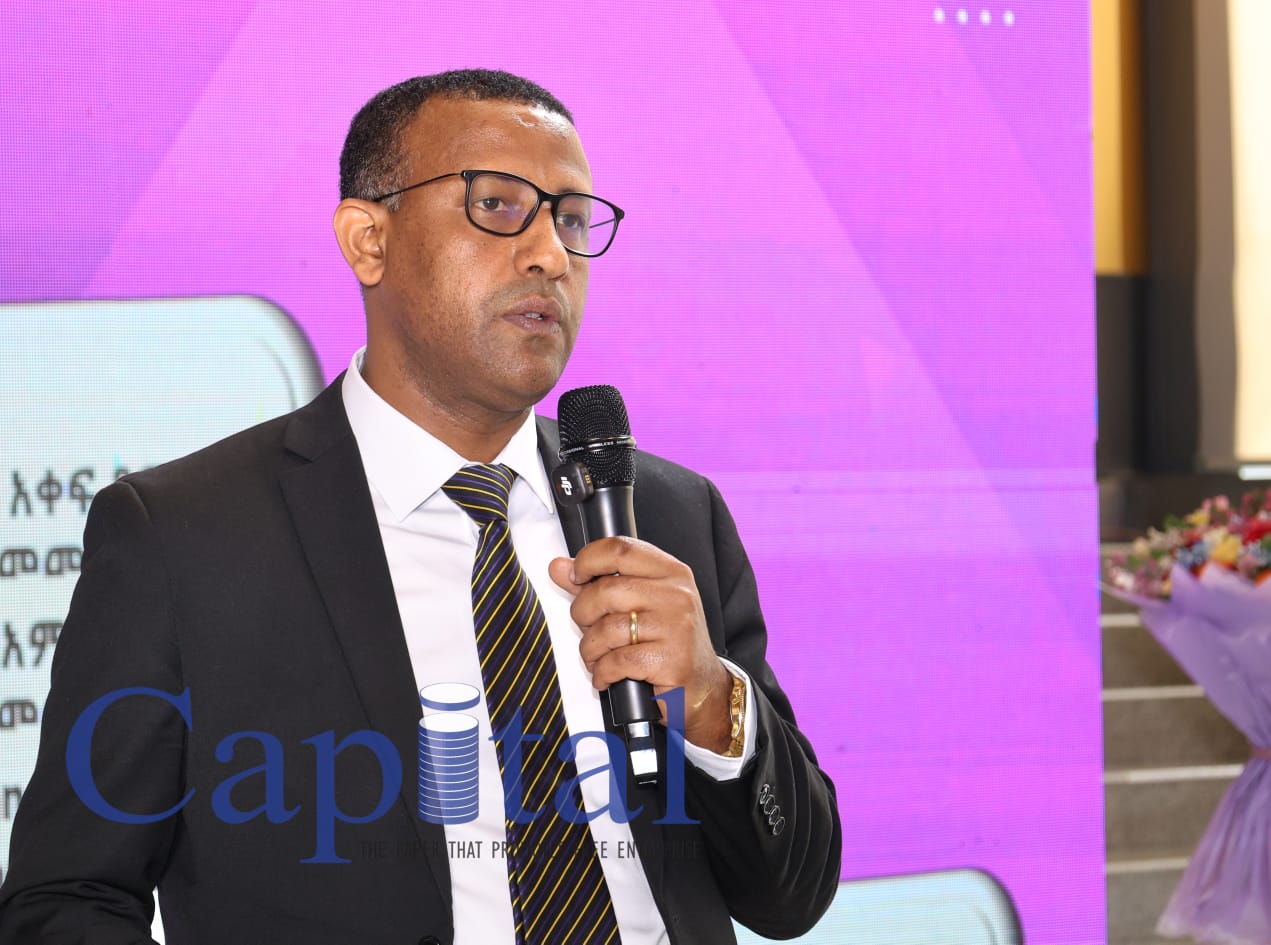
Seyoum Damte, Vice President for Information Systems Security at CBE, said financial institutions with concentrated assets and large customer bases had become more attractive targets for cybercriminals.
“Just as bees need flowers to make honey, hackers and fraudsters target institutions where wealth is concentrated,” Seyoum said during the bank’s Cybersecurity Awareness Month programme.
He said AI-driven attacks, digital fraud and AI-agent security were among the principal emerging threats facing the country’s financial sector.
Interpol said cybercriminals are increasingly using AI and machine-learning tools to scan large numbers of systems for vulnerabilities. Attackers can exploit unpatched software, exposed virtual private networks, weak credentials and poorly configured online platforms, the report said.
Online scams remain the most widely reported form of cybercrime in Africa, with criminals using mobile-money platforms, social media and AI-powered impersonation tools to reach victims at scale.
CBE is responding by integrating an AI-supported zero-trust security approach into its information-systems architecture, according to bank officials.
The approach moves away from traditional perimeter-based cybersecurity systems, which assume that threats are primarily external. Zero-trust security instead requires continuous verification of users, devices and applications, on the assumption that risks can originate from inside or outside an organisation’s network.
CBE has previously said that it is strengthening its zero-trust model as digital channels account for an increasingly large share of banking activity.
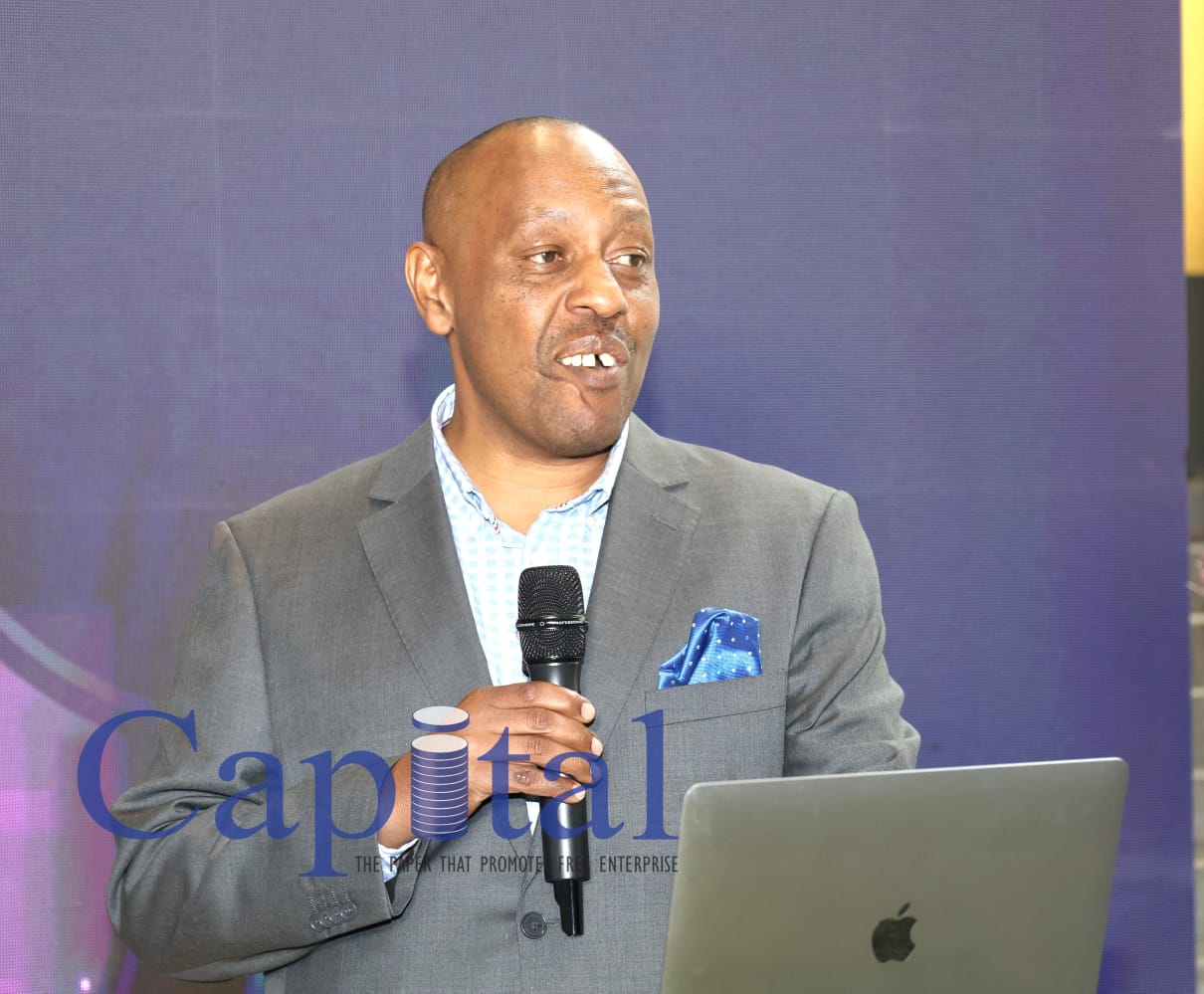
Andrew Karanja, Founder and Director of CIO Africa, said ongoing cybersecurity monitoring reflected a growing commitment by institutions to build a secure and trusted digital ecosystem.
The issue will be a central focus of CBE’s third Cybersecurity Awareness Month Conference, scheduled for Oct. 29–30, 2026, at the bank’s headquarters in Addis Ababa. CIO Africa will serve as the event partner.
The conference is expected to bring together banks, microfinance institutions, fintech companies, technology providers, regulators and other stakeholders to discuss cyber resilience and emerging digital threats.
CBE and CIO Africa have also signed a memorandum of understanding to establish a broader platform connecting Ethiopia’s financial sector with regional and international cybersecurity experts.
As Ethiopia’s digital economy grows, sector leaders say cybersecurity will need to be treated not only as a technical issue but as a core requirement for sustaining trust in financial services. The challenge will be to ensure that innovation in AI and digital payments improves access and efficiency without creating new openings for fraud, data breaches and financial loss.