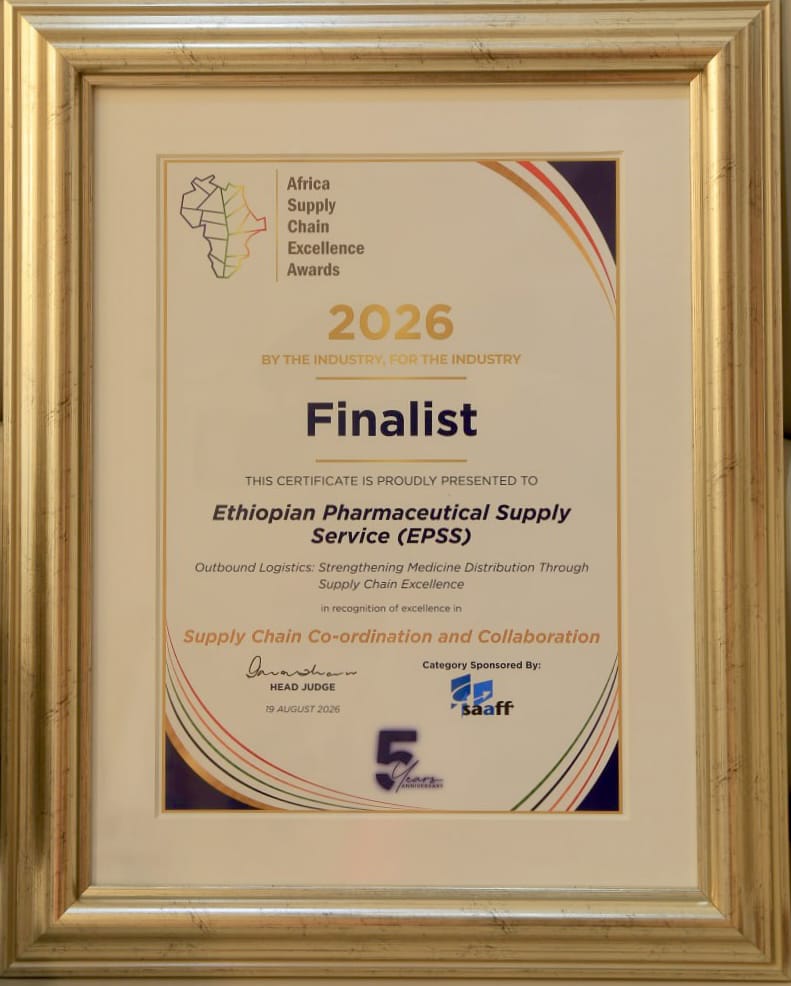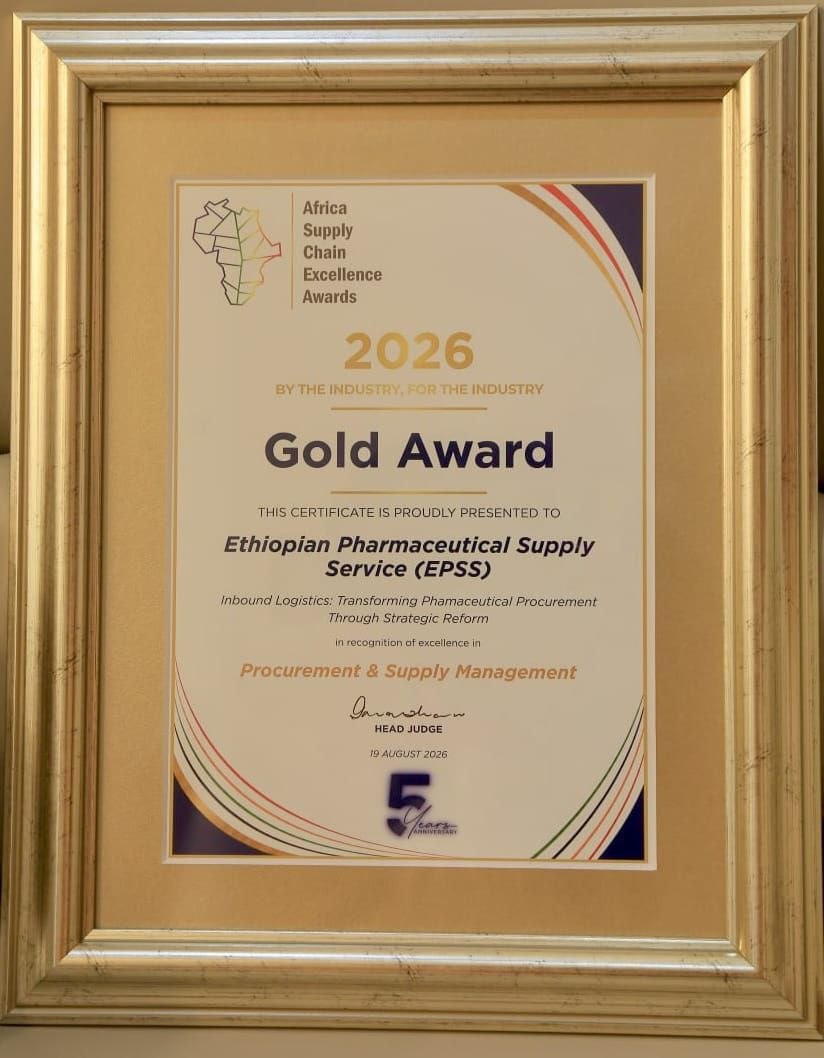
The Ethiopian Pharmaceutical Supply Service (EPSS) has won the Gold Award at the fifth Africa Supply Chain Excellence Awards (ASCEA 2026), held in Pretoria, South Africa.
In a press statement, EPSS Director General Dr Abdulkedir Gelgelo said the award recognises the service’s improved performance in the procurement of pharmaceuticals and medical supplies, as well as its broader supply-chain management reforms.
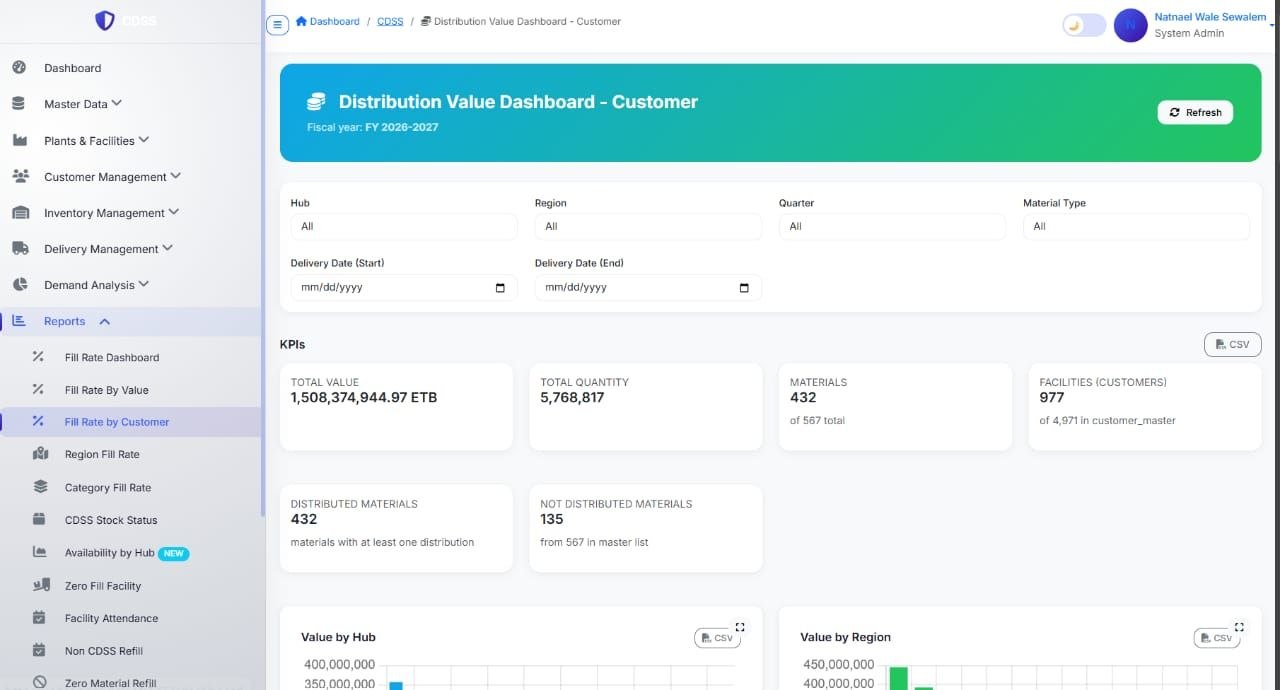
He said digital transformation, enterprise resource planning (ERP), data-driven decision-making, and efforts to streamline and strengthen procurement processes played a major role in securing the recognition.
“This milestone moves the service one step closer to achieving its vision of becoming one of Africa’s most efficient and responsive supply-chain institutions by 2030,” Dr Abdulkedir said.
The director general said the award reflected the collective dedication and hard work of EPSS leadership and staff. He added that the service would continue working to ensure a more stable, accessible and reliable supply of pharmaceuticals and medical equipment.
EPSS said the recognition also encourages pooled procurement for medicines with a limited number of suppliers and demonstrates the institution’s commitment to quality.
The state-owned enterprise is responsible for procuring and distributing essential medicines to more than 420 hospitals, 4,100 health centres and 18,500 health posts across the country. In recent years, the organisation has drawn international attention for an extensive public-sector transformation programme.
However, before achieving these milestones, EPSS faced significant systemic and operational weaknesses that threatened the country’s health-service delivery. For years, the agency relied on generic national procurement frameworks that did not adequately account for the specialised and high-stakes nature of pharmaceutical procurement.
According to Dr Abdulkedir, previous federal regulations treated critical medicines in the same way as office chairs, soap and pens. This approach overlooked key differences, including lengthy procurement lead times, shelf lives of only two to four years, and a 65–70 percent import dependency in a market with only 14 local manufacturers.
Compounding these legislative gaps were administrative bottlenecks and information shortages across the supply chain. Historically, the procurement cycle—from issuing an international tender to delivering commodities such as paracetamol or antibiotics to a remote health post—could take as long as 400 days.
Fragmented records and outdated manual tracking further limited inventory visibility, leaving officials without real-time information on stock levels, warehouse movements and product-expiry dates. Physical inventory audits could take up to 45 days, during which warehouse transactions had to be frozen, creating distribution bottlenecks and disrupting the supply of medicines to public health facilities.
Legislative Reform and Digitisation
Warehousing and last-mile delivery networks also faced significant infrastructure challenges. Operations struggled to meet modern international standards, resulting in high distribution costs, inefficient use of storage space and medicine wastage linked to weak management of near-expiry stock.
Multi-layered transit routes through intermediate district hubs created further regional bottlenecks and delayed deliveries of medicines and treatments for HIV, tuberculosis and malaria.
In response, EPSS launched a comprehensive, technology-driven overhaul of the country’s health logistics system. The Public Procurement Authority authorised the service to establish a dedicated legislative framework for centrally procured medical supplies through Regulation No. 1354/2024.
This led to Procurement Directive No. 1066/2025, which created a statutory framework specifically tailored to pharmaceutical procurement. The directive introduced mandatory e-procurement, competitive electronic reverse auctions and long-term framework agreements of up to seven years. EPSS said the measures are intended to give domestic manufacturers greater certainty to invest and expand production.
The service reports that the reforms have reduced average procurement cycles from about 400 days to fewer than 115 days. International bid-floatation periods have also been shortened from 45 days to 20 days.
The policy shift, which forms part of the Digital Ethiopia 2030 strategy, also opened access to international suppliers through transparent and competitive bidding. Certified international manufacturers can now participate directly in public tenders through the national Electronic Government Procurement portal, provided they meet national licensing and legal requirements.
EPSS said the system is designed to strengthen competition, improve ethical procurement standards and secure better value for public funds. Digital integration now provides real-time visibility across procurement, suppliers, product receipts, warehouse locations and expiry dates.
Supply Chain Modernisation
To consolidate its operational improvements, EPSS implemented an enterprise resource planning system anchored by SAP S/4HANA. The agency partnered with SEIDOR and received advisory support from Deloitte Consulting.
The digital system integrates financial management, inventory control, human resources and fleet logistics into a single real-time data architecture. The project earned the “SMB Transformation Project of the Year” award at the international ERP Today Awards 2025.
Distribution networks have also been redesigned to strengthen last-mile delivery. EPSS has shifted from multi-layered transit arrangements toward direct deliveries to health facilities, which now account for approximately 77 percent of total distributions.
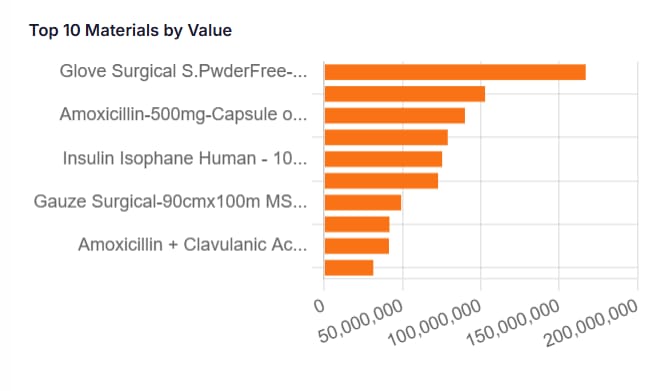
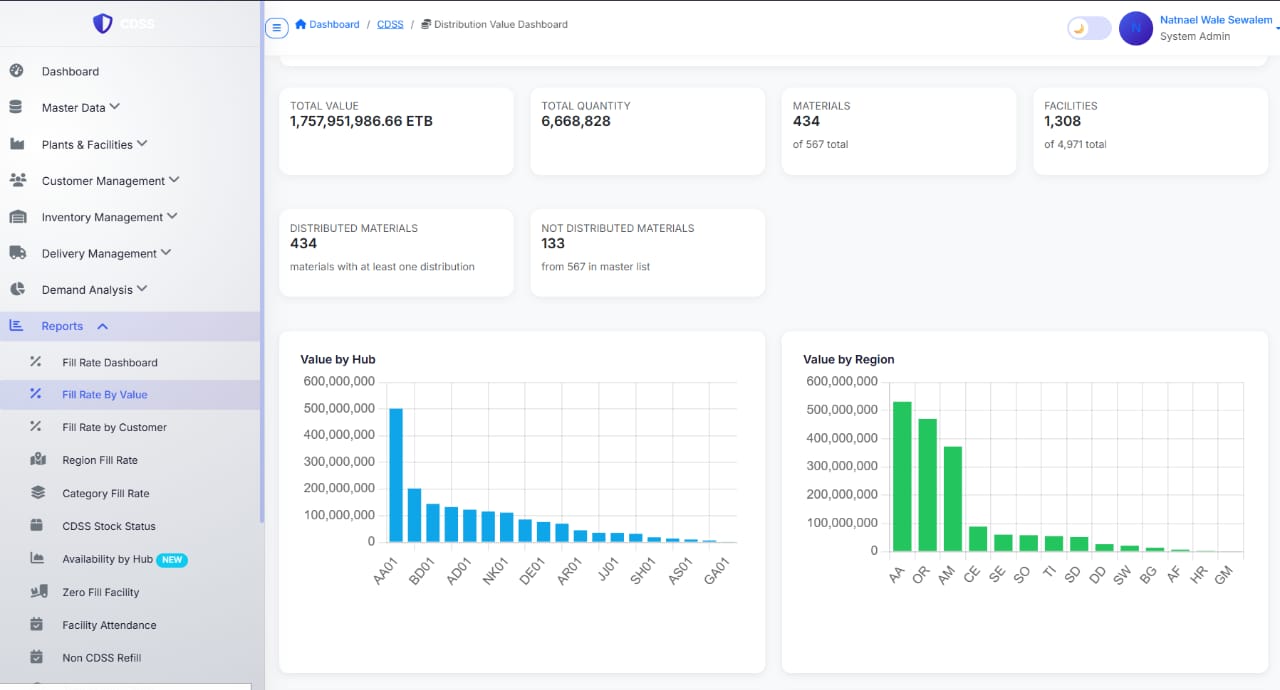
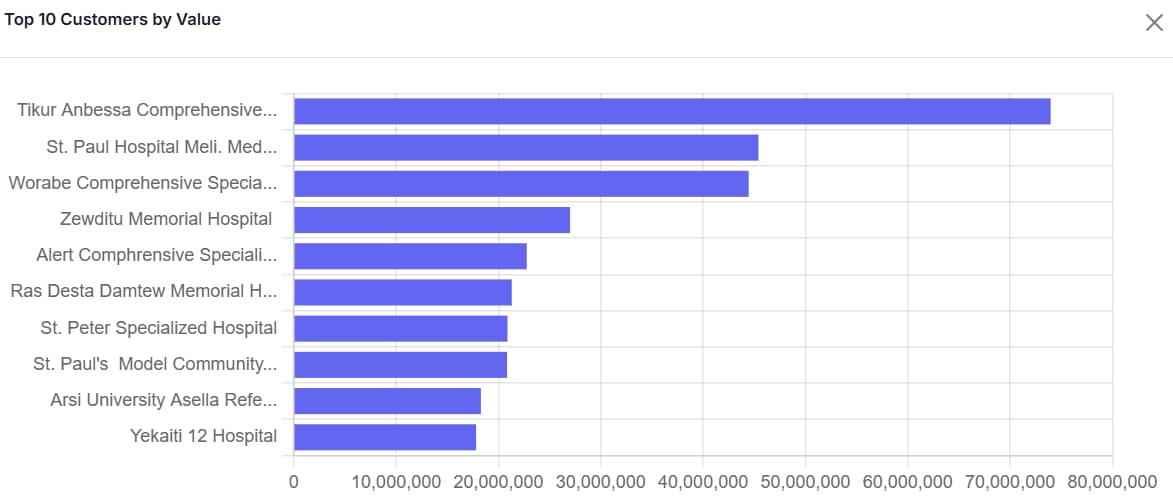
During the current budget year, the service distributed medical supplies valued at 64 billion birr to health facilities nationwide. The operation was supported through coordination with Ethiopian Airlines, Ethiopian Shipping and Logistics, the Ethiopian Food and Drug Administration, and domestic financial institutions.
Continental Recognition and Remaining Gaps
The Gold Award at ASCEA 2026 followed previous recognition, including the Grand Prize at the 2024 Global Health Supply Chain Summit in Lagos and acknowledgement from Gavi, the Vaccine Alliance.
Despite the achievements, EPSS leadership acknowledges that the service has not yet reached its ultimate objective of ensuring uninterrupted availability of essential medicines. Medicine availability currently stands at 79 percent, below the desired 100 percent fulfilment rate, due to budget constraints and localised shortages.
Nevertheless, EPSS believes continued policy enforcement, digital integration and stronger last-mile coordination will help it achieve its long-term vision of becoming one of Africa’s most efficient, transparent and responsive healthcare supply chains by 2030.