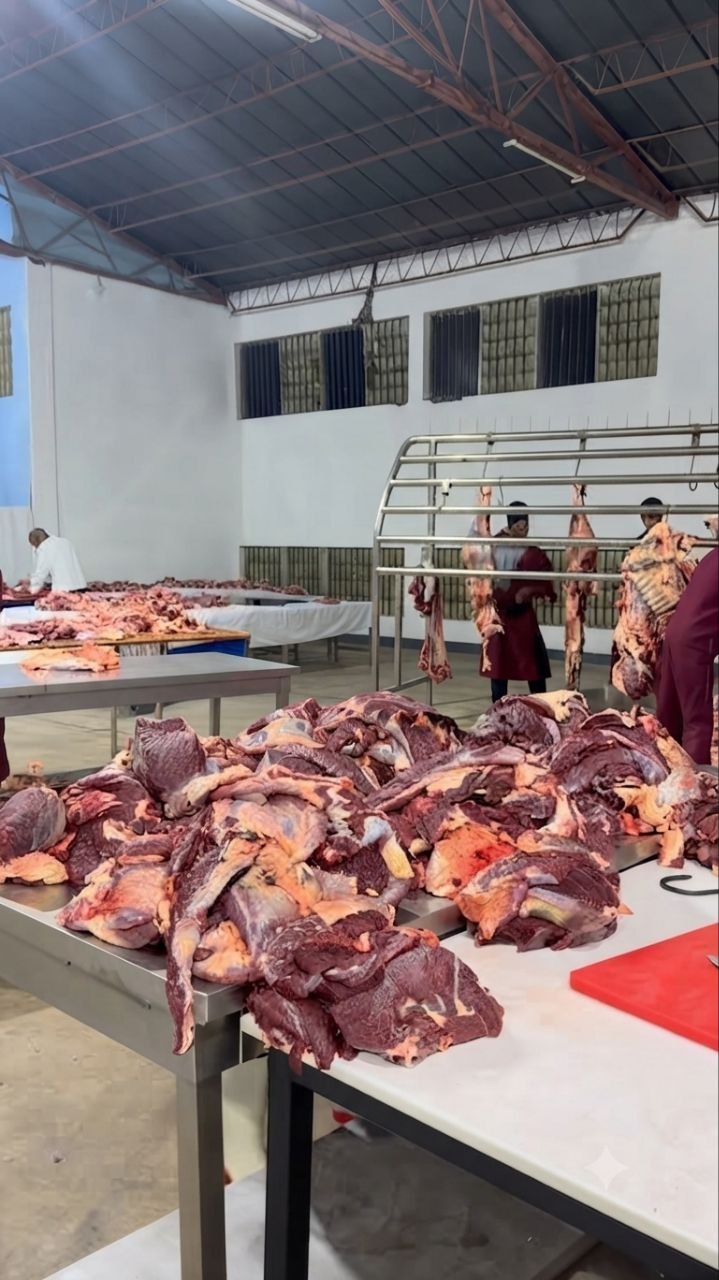
As technological and digital transformations sweep across the globe, Ethiopians are continually working to harmonize their ancient cultural heritage with modern ways of life. This dynamic is especially visible as the nation prepares to welcome the new year and the vibrant holiday of Enkutatash. From livestock slaughter to everyday commerce, modernization is leaving its mark on every facet of society. Among these shifts, the digitalization of the traditional Kircha (shared meat purchasing) system has emerged as a phenomenon capturing widespread public attention.
Beneath the surface of traditional neighborhood markets and communal preparations, a profound socioeconomic and technological evolution is underway. Kircha — a longstanding social institution where families pool resources to jointly purchase, slaughter, and divide an ox for the holidays — is undergoing a major digital transition.
Traditionally, groups of eight to twelve neighbors, friends, or coworkers would organize weeks or months in advance, pooling their money to buy a prime, well-fed ox (Sanga). On the eve of the holiday, they would gather in muddy courtyards or neighborhood squares to oversee the slaughter. Every participating household would meticulously divide the meat by weight to ensure an equitable share, ranging from premium cuts and stew meat to traditional delicacies like tripe and intestines.
Yet, this timeless tradition is now undergoing a radical, tech-driven transformation. Over the past four years, a quiet digital revolution has disrupted the holiday meat market. Today, at least ten active, tech-enabled startups and digital brokers — alongside traditional butcher shops that have adapted to online ordering and delivery — allow urban residents to purchase their Kircha shares via Telegram channels, Facebook groups, and specialized mobile delivery apps, with prepared meat delivered directly to their doorsteps.
This trend raises a compelling question: Is the digital Kircha economy a pragmatic adaptation suited to the pressures of modern urban life, or is it a hollow convenience slowly eroding the social soul of Ethiopia’s most cherished cultural holidays?
Many long-term residents believe that outsourcing the holiday ox to an online vendor strips away the psychological and social bonds that hold neighborhoods together. Enkutatash has never been merely about meat consumption; historically, it has served as a vital social equalizer and an annual affirmation of mutual aid.
“I cannot imagine celebrating the New Year without standing shoulder-to-shoulder with my neighbors in a muddy courtyard on the eve, without smelling the eucalyptus leaves, without hearing the elders joke as they divide the meat, and without sending my children back and forth with plates,” says Asegid Alemayehu, a long-time resident of Qality and a decades-long coordinator of his neighborhood Kircha group. “When you turn this into a packaged e-commerce delivery brought by a motorcycle courier, you aren’t just saving time — you are erasing the social fabric that helps us live together. When a family in our neighborhood faces a crisis, we don’t call an app; we call the people we stood beside during the holiday Kircha.”
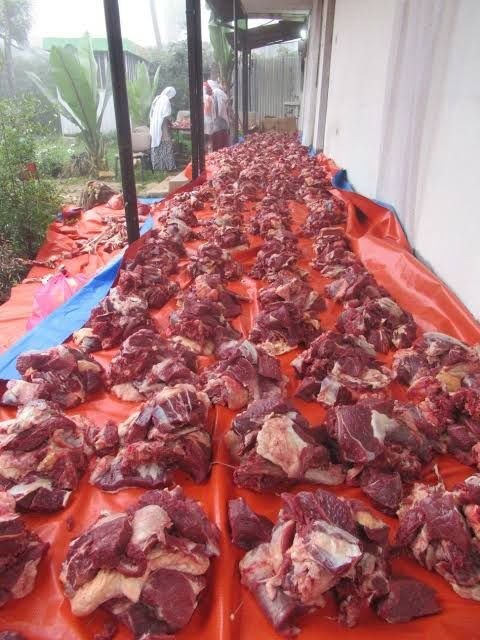
Sindu Adugna, a mother of three living in the Tulu Dimtu condominium complex, echoes these concerns, noting that the physical labor, cooperative negotiation, and mutual reliance are vital lessons that must be passed down to the younger generation.
“If everything arrives wrapped in plastic like restaurant takeout, our children will never understand the value of sharing, patience, and collective labor,” she argues.
Conversely, busy urban professionals, dual-income households, and members of the diaspora embrace this digital disruption as a necessary, practical bridge driven by the structural realities of modern life in Addis Ababa.
The rapid proliferation of high-rise apartment blocks and gated condominium communities in areas like Bole, Ayat, and Lebu has fundamentally altered Addis Ababa’s physical and social landscape. These neighborhoods lack the traditional courtyard spaces where an ox can be tethered, slaughtered, and prepared.
Furthermore, long working hours, worsening traffic congestion, and demanding professional schedules make it nearly impossible for corporate employees, medical professionals, and civil servants to spend an entire day managing livestock slaughter and meat distribution.
“Given the intense time crunch we face today, having Kircha delivered directly to the house is a welcome innovation,” says Amanuel Gebremariam, a condominium resident. “I work long hours, and spending a full day slaughtering, washing, and dividing meat is just not feasible. If the meat arrives at my doorstep ready to be cooked, I gain both time and peace of mind.”
Traditional neighborhood groups often experience disputes over fluctuating cattle prices, late contributions, or disagreements regarding meat distribution. Digital platforms, according to industry players, replace this uncertainty with fixed prices, transparent terms, and standardized delivery windows.
Recognizing the deep isolation fostered by apartment and condominium living, pioneer enterprises like Agape Online Kircha, founded four years ago, deliberately designed their workflows to bridge the gap between digital efficiency and cultural preservation. Operating primarily through Telegram, phone networks, and local coordination, these platforms serve not only busy local doctors and corporate executives but also members of the Ethiopian diaspora who wish to sponsor holiday meals for their elderly parents back home.
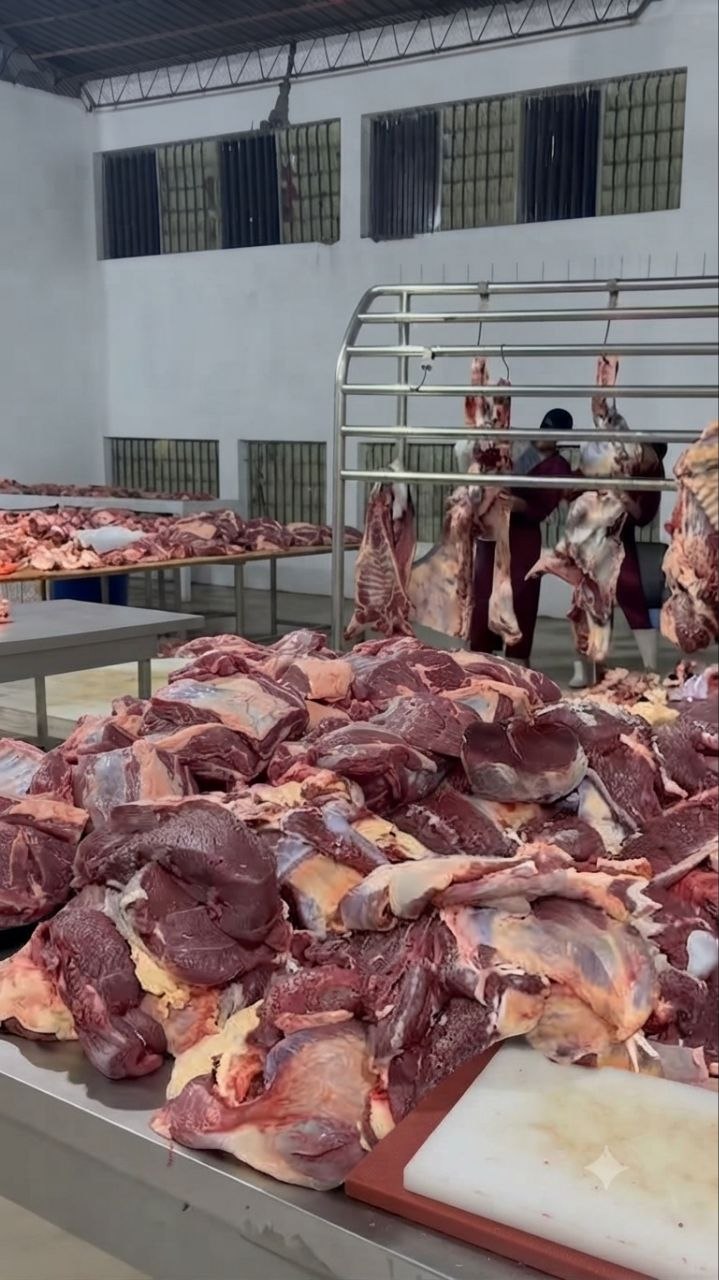
Unlike traditional neighborhood arrangements where disputes can arise over shifting cattle prices or uneven cuts, digital operators emphasize consistent quality control, transparent pricing, and professional butchery services.
“From day one, our goal was to narrow the gap from farm to table without losing the core values,” explains Agape’s founder in an interview with Capital. “We don’t just cut meat; we ensure that every share receives the precise proportion of each cut. For clients who want the traditional experience, we invite them to our processing center to watch the butchery, learn the traditional names of each cut from experienced elders, and experience the atmosphere.”
To maintain authenticity, tech-enabled operators often retain traditional supervisors and local elders who oversee the cutting process. Even when customers opt for full delivery, the platforms ensure that specialized cuts—such as prime steak for Kitfo, lean meat for Tibs, and specific offal cuts—are accurately identified and packaged, preserving the structural integrity of traditional division standards.
Moreover, these enterprises open their processing floors to families, allowing children raised in high-rise buildings to witness the traditional preparation process firsthand before taking their shares home.
Despite the growing popularity of app-based and online orders, this year’s digital Kircha market faces distinct and significant economic challenges. Operators report that consumer demand has slowed compared to previous years, driven primarily by high inflation in cattle prices and competing household expenses coinciding with the September New Year—specifically private school registration fees and uniform purchases.
The financial scaling over the past four years has been steep. When digital platforms first introduced online Kircha services, a standard share averaged around 10,000 birr. Today, prices for premium, well-fed oxen have surged, with high-tier holiday shares ranging from 18,000 to 30,000 birr. Operators explain that this inflation directly reflects upstream costs in regional livestock markets, rising feed prices, and improved transportation logistics.
What began four years ago as an experimental venture by tech-savvy entrepreneurs has now matured into a competitive commercial sector. Beyond specialized startups like Agape, traditional brick-and-mortar butcher shops in Addis Ababa have adapted their business models to offer online booking, vacuum-sealed packaging, and home delivery services.
Industry players acknowledge the limitations of year-round scaling. While traditional neighborhood butchering is strictly seasonal, digital platforms have experimented with regular weekly or monthly subscription models—offering smaller, frozen meat quotas to apartment dwellers during off-peak times. However, consumer resistance to non-seasonal subscriptions remains high, confirming that the Kircha tradition is deeply intertwined with the emotional and cultural rhythm of Ethiopia’s major religious and holiday seasons.