

Education stakeholders are calling for a review of Ethiopia’s university admission requirements, arguing that the minimum passing score in the Grade 12 national examination may be limiting access to higher education for students with the potential to succeed academically.
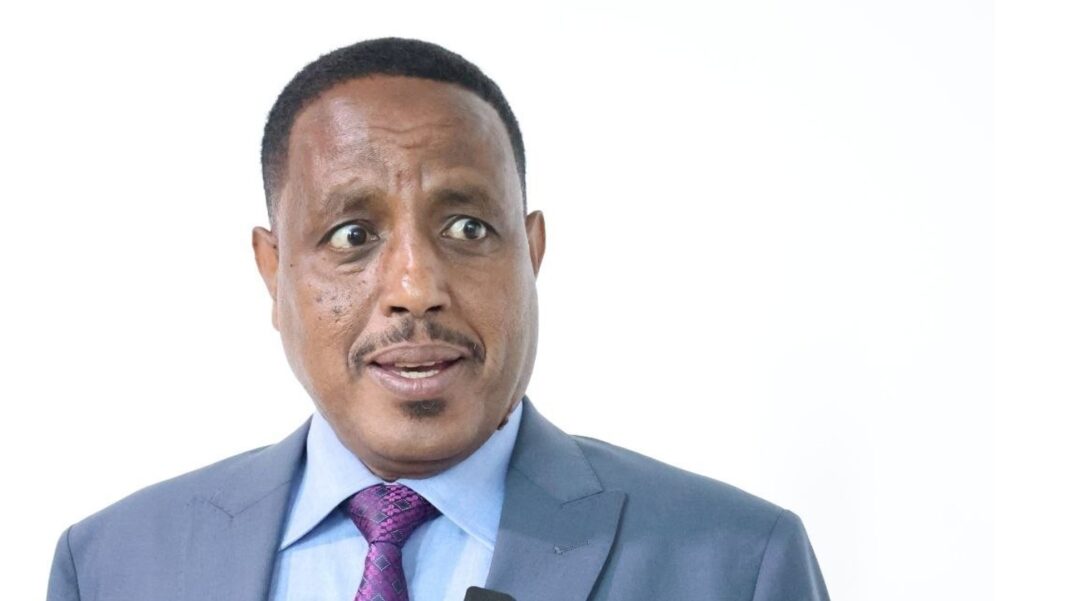
Under the current policy, students must score at least 50 percent on the national examination to qualify for direct university admission. However, Molla Tsegaye, president of Admas University and head of the Association of Ethiopian Private Higher Education and TVET Institutions, says the threshold should be reconsidered to balance academic standards with wider access to higher education.
In an interview with Capital, Molla argued that a single examination should not be the sole measure of a student’s ability to pursue university studies. He called for alternative pathways that would allow students who fall below the required mark to demonstrate their academic readiness through other appropriate assessments.
“Scoring below 50 percent does not mean a student cannot improve or succeed academically in the future,” he said, urging education authorities to assess the long-term implications of the existing admission policy.
Molla proposed lowering the university entrance threshold to 40 percent as a possible alternative to the growing reliance on remedial education programs. He argued that revising the admission criteria could provide students with a more direct route to higher education while reducing dependence on supplementary courses and additional examinations.
Although remedial programs were introduced to help students who failed to meet the required standard, Molla questioned whether continued reliance on them was the most effective use of educational resources. He stressed that any adjustment should be informed by research to safeguard academic quality and account for universities’ capacity.
The debate extends beyond the financial challenges facing private institutions, many of which have experienced declining enrolment. Molla said university admission requirements are a broader national policy issue affecting students, public and private institutions, and the development of Ethiopia’s higher education system.
He recalled that admission cut-off marks were previously influenced partly by institutional capacity and available educational resources. Some students admitted under earlier arrangements despite scoring below today’s threshold subsequently completed undergraduate degrees and progressed to master’s and doctoral programs.
Molla also called for a comprehensive assessment of Ethiopia’s education system, from early childhood education through primary and secondary schooling. Such a review, he said, should examine teaching quality, teacher capacity, classroom conditions and students’ learning opportunities to identify the underlying causes of weak examination results.
The debate comes amid concerns over national exit examination performance at public and private higher education institutions. Molla cited pass rates of approximately 50 percent at public institutions and 15 percent at private institutions, while cautioning against attributing the difference solely to institutional ownership.
He said variations among universities and other factors affecting examination outcomes require detailed research before broad conclusions can be drawn.
According to the Ministry of Education, 70,544 of the 550,210 students who sat this year’s Grade 12 national examination scored at least 50 percent, representing a pass rate of 12.8 percent. Although the majority of candidates failed to meet the direct university admission threshold, the ministry has described the improvement from previous years as encouraging. The pass rate has risen from 3.2 percent since the introduction of the current university-based examination system.
The figures have intensified debate over how Ethiopia can expand access to higher education while ensuring that students have the academic foundations needed to complete their studies successfully.
Education stakeholders say any reform should involve the Ministry of Education, universities, regulatory authorities and other relevant institutions. The ministry has indicated its willingness to consider policy studies and legal adjustments affecting the private education sector, while encouraging private colleges to develop distinctive academic programs rather than simply replicate public university curricula.



