Cross-border payments provider CrissCross has partnered with stablecoin orchestration network Borderless to offer collections, payouts and foreign-exchange services across more than 30 African markets.
The integration allows Borderless clients to access CrissCross’s local banking and mobile-money infrastructure through their existing API connection. Businesses can collect local-currency payments through bank transfers and mobile money, make payouts to bank accounts and wallets, and convert African currencies into dollars, euros and pounds.
CrissCross operates direct links to local banks and more than 15 mobile-money operators, including M-Pesa, MTN MoMo and Airtel Money. The company said the partnership will help global platforms and fintech firms navigate fragmented payment systems, limited correspondent-banking networks and varying regulatory requirements across Africa.
Borderless said its network connects stablecoin infrastructure to more than 15 locally licensed providers across 100 countries and 75 fiat currencies.
The Institute of Energy Economics and Financial Analysis (IEEFA) and International Accountability Project (IAP) on Tuesday released the Global MDB Investment in Petrochemicals Tracker. The tracker is an interactive database that visualises petrochemical investments across different sectors within the industry from 16 multilateral development banks (MDBs). The database is built using details from the Early Warning System (EWS) hosted by the International Accountability Project (IAP). It tracks 92 projects covering a total investment amount of USD10,042 million.
A key finding emerging from the database is that the World Bank group cumulatively funds 65% of the petrochemical projects tracked. The International Finance Corporation (IFC), which is a member institution of the World Bank group, has a 35% share of the total investment amount in such projects. This is followed by the Multilateral Investment Guarantee Agency’s (MIGA) 24% share. The World Bank itself has a 7% share.
Among other MDBs tracked, the European Investment Bank (EIB) share stands at 18%, the European Bank for Reconstruction and Development (EBRD) at 6%, and the Asian Development Bank (ADB) at 2%.
As Ethiopia prepares to overhaul its insurance framework, the sector faces a potentially far-reaching shift in ownership, regulation, licensing and competition. A draft Insurance Proclamation would establish an autonomous insurance regulator, introduce a Policyholders’ Protection Fund, open defined routes for foreign investment and replace composite licences with specialised categories for general, long-term, micro-insurance, inclusive insurance and Takaful operations. The proposal remains a draft, but industry players are already assessing how it could reshape a market long characterised by low penetration, limited investment options and slow technological adoption.
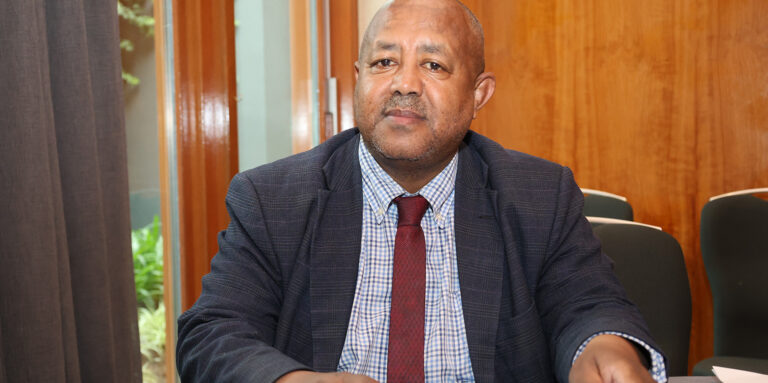
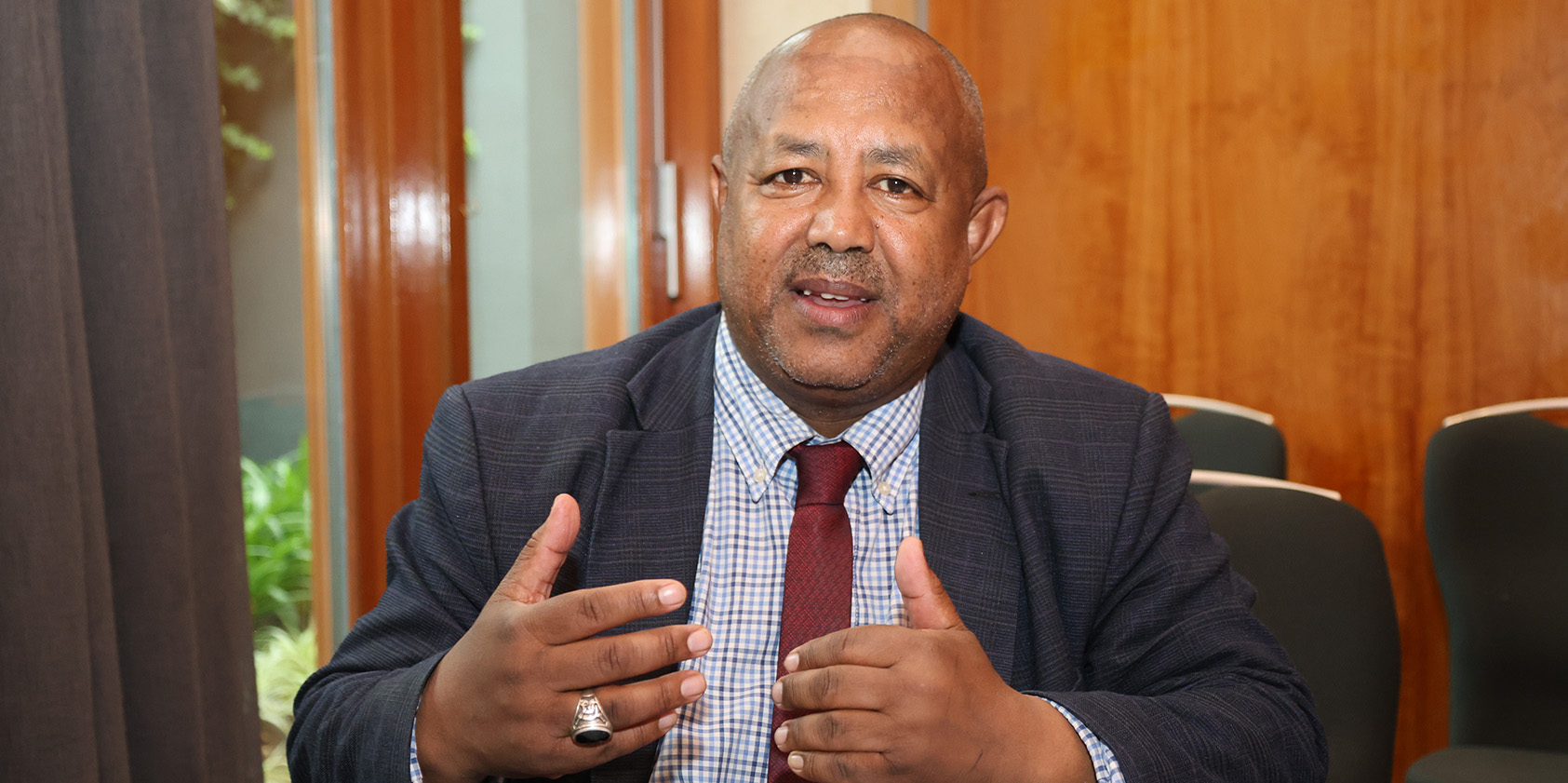
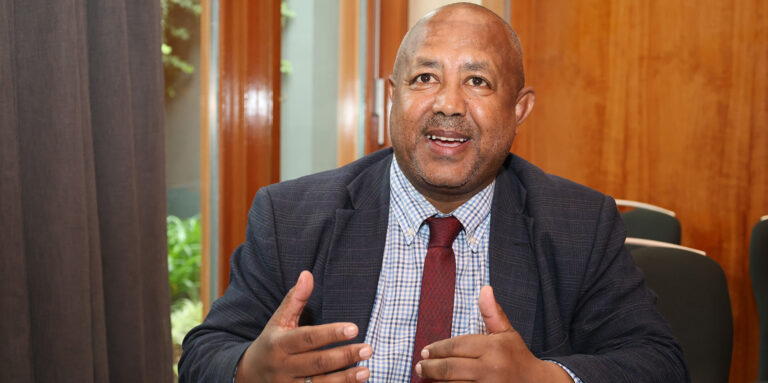
In this interview with Capital, insurance consultant Asseged G/medhin discusses the implications of the proposed reforms for insurers, policyholders and investors. Drawing on more than 17 years of experience in the sector—from junior insurance operations to deputy chief executive roles at three insurers—he argues that local companies must embrace partnerships, stronger risk management, digital transformation and specialised insurance models if they are to compete in a more open market. Excerpts;
Capital: Since insurance companies hold a large share of their liquid assets and reserves in bank deposits, what impact could potential liquidity shortages or crises in the banking industry have on the insurance sector?
Asseged: Because insurers are required by the National Bank of Ethiopia (NBE) to invest in approved assets, they predominantly place their funds in fixed-term bank deposits. Commercial banks then mobilise these deposits to provide loans to borrowers.
In this regard, banks face credit risk—the risk that loans will not be repaid—rather than an immediate liquidity risk arising from insurers’ deposits.
However, insurers are severely restricted in where they can invest their capital. The NBE’s underlying rationale is that insurance funds are public funds—policyholders’ money—and therefore require strict regulatory oversight.
Consequently, while banks may avoid liquidity risks associated with these deposits, insurers suffer because their returns are heavily eroded by inflation.
Capital: Credit risk is also associated with delayed claim payments and reinsurance receivables. What strategies are domestic insurance companies using to monitor these receivables and shorten collection periods?
Asseged: Domestic insurers benefit significantly from the NBE’s “no premium, no cover” directive, which was introduced to reduce default risk on primary insurance policies. However, credit risk on the reinsurance side remains largely unregulated, creating financing and liquidity challenges.
There needs to be a more rational approach to underwriting capacity and claim recoveries. Reinsurance facilities provide essential capacity to primary insurers. However, delays in recovering funds from reinsurers can create serious cash-flow shortages.
This effectively transfers liquidity risk to the primary insurer, even where cash-call provisions are included in reinsurance agreements.
Capital: A new draft proclamation has been prepared with World Bank support to establish an independent insurance regulatory authority. What distinct capabilities would this authority have in relation to policyholder protection and market stability?
Asseged: For many years, think tanks, macroeconomic-policy advisers, insurers, the Ethiopian Insurers Association, and broker and agent associations have advocated for an independent insurance regulator in Ethiopia.
This push gained momentum after the 2018 political transition, when the government under Prime Minister Abiy Ahmed moved from a simple privatisation model to a broader financial-liberalisation strategy. In response, the NBE conducted research that culminated in a draft proclamation to establish the Ethiopian Insurance Regulatory Authority.
The draft represents a historic milestone for the sector. Crucially, the new authority would report directly to the Office of the Prime Minister, elevating insurance regulation to the highest executive level. During the Imperial era, insurance supervision fell under the Ministry of Trade.
While the sector would remain under state oversight, the regulatory framework should leave adequate space for key stakeholders—including the Ethiopian Insurers Association, broker and agent associations, professional insurance institutes, primary market leaders such as the Ethiopian Insurance Corporation, and Ethio Re—to participate on a rotational basis.
Capital: The draft proclamation sets foreign equity limits at 40 percent for strategic investors and up to 49 percent for general foreign ownership. Do you expect domestic insurance companies to pursue cross-border partnerships, or will they resist giving up ownership control?
Asseged: I do not expect domestic insurers to resist. The draft proclamation protects local operators while setting a clear policy direction: the government is opening the sector through a liberal model that encourages healthy competition.
Neither bankers nor insurers have fully prepared themselves over the past two decades, despite benefiting from prolonged strategic protection by the state.
Based on my experience, strong domestic insurers will actively seek strategic alliances under 60–40 or 51–49 ownership structures. Initial resistance will quickly fade.
Mergers, acquisitions, joint ventures, strategic alliances and conglomeration are not merely viable options; they are necessary paths forward.
Capital: The draft proclamation introduces a formal Policyholders’ Protection Fund. From an operational perspective, how could required capital allocations affect liquidity management and product pricing?
Asseged: The protective framework is comprehensive. Every policyholder—whether insured by a fully domestic company or a joint venture—would benefit from safeguards designed to protect policyholder funds and general reserves.
Operationally, traditional and inefficient practices will increasingly be displaced by technological innovation and the inflow of foreign capital. Foreign-exchange shortages and balance-sheet constraints, which have prevented insurers from meeting short- and long-term obligations, could be substantially mitigated through liberalisation.
Capital: Most insurance operations remain technologically underdeveloped and insufficiently automated. What are the main barriers preventing small and medium-sized insurance companies from upgrading their digital infrastructure?
Asseged: The primary barriers are limited technical knowledge and inadequate capital, both of which are rooted in leadership mindset.
Many board members and executives remain technology-averse, focusing narrowly on meeting shareholders’ short-term financial expectations. That backward-looking approach is no longer viable.
Board leadership must become more vigilant and forward-looking. In my view, the executive mindset is currently the biggest bottleneck to digital transformation.
Capital: While general insurance dominates the market, life insurance remains underdeveloped. What structural problems hinder broader coverage, and how can pricing and risk management be improved?
Asseged: Insurance fundamentally relies on the law of large numbers, while pricing depends on precise actuarial and underwriting variables.
However, Ethiopia’s main challenge is market structure. The insurance market functions as an oligopoly, characterised by a limited number of suppliers, low insurance penetration and negligible insurance-density rates. In such an environment, price wars can become common.
To maintain long-term profitability, insurers must focus on managing claims costs. They need robust risk-management practices, premiums that reflect actual risk profiles, adequate reinsurance structures and shorter claims-settlement cycles to offset the effects of high inflation and administrative costs.
Capital: Following recent macroeconomic, fiscal and foreign-exchange reforms, how significantly have domestic insurers’ investment portfolios and foreign-currency-denominated liabilities changed?
Asseged: The landscape has shifted dramatically. Exchange-rate adjustment directly increases the local-currency value of imported property and assets. Higher asset valuations translate into higher total sums insured.
Consequently, insurance premium volumes can expand, provided proper coverage is underwritten. Insurers’ liability portfolios will also need to be rebalanced to absorb the larger risk exposures adequately.
Capital: Given the rapid growth of the domestic Islamic-insurance sector, how dependent are operators on overseas re-Takaful markets, and how can domestic capacity be strengthened to retain risk premiums locally?
Asseged: A major challenge is that many executives still approach Takaful with a conventional-insurance mindset, treating it simply as an isolated product line.
Takaful is not merely a product. It is an end-to-end alternative insurance business model that includes a full suite of specialised products and services.
Transitioning the market requires structural and regulatory evolution, including the establishment of a dedicated Islamic Advisory Council within the National Bank of Ethiopia. Regulatory directives must also adapt to accommodate expansion.
However, scaling up full-fledged Takaful operations is ultimately an execution, marketing and strategic decision for individual companies.
Capital: What key developments are reshaping the wider insurance landscape?
Asseged: A powerful wind of change is sweeping through the sector. The most significant drivers are market opening and the rapid development of Ethiopia’s capital markets, including the rise of investment banks, market operators, licensed securities brokers and publicly listed companies.
All of these financial institutions and instruments rely directly on insurance services.
A shift toward international standardisation is now inevitable. The domestic market is no longer reserved exclusively for local companies; foreign insurers and cross-border capital are entering the sector.
Capital: The new proclamation introduces distinct licensing requirements. What new categories are being established?
Asseged: In response to regional and global market trends, the government has moved from a restrictive, slow-paced privatisation model to a more active market-liberalisation approach.
Under the draft proclamation, which is awaiting final parliamentary approval, the regulatory and corporate-governance structure of insurance companies will undergo fundamental reform.
Notably, composite insurance licences—allowing life and non-life insurance under one entity—will no longer be permitted. Instead, specialised licences will be issued for micro-insurance, inclusive insurance and alternative insurance models such as Takaful.
Segmenting the market in this way could deepen financial inclusion, expand insurance coverage and increase the sector’s overall contribution to national GDP.
Ethiopia’s insurance industry is approaching what could become its most significant regulatory reform in decades. Under a draft proclamation expected to be enacted this year, insurance supervision would shift from the National Bank of Ethiopia (NBE) to an independent regulatory authority.
For a sector long sheltered from foreign capital and overshadowed by the banking industry, the draft proclamation signals a major transformation. Developed with World Bank support, the proposed reform could bring the most consequential structural change the Ethiopian insurance market has seen in recent history.
A central feature of the draft is the removal of the long-standing practice of composite licensing, which allows insurance companies to offer both life and non-life, or general, insurance under a single corporate structure.
Under the proposed framework, new entrants would no longer be granted composite licences. Entities seeking to provide life insurance would need to register independently and obtain a life-insurance licence, while companies specialising in general insurance would be required to obtain separate general-insurance licences.
The reform is intended to address structural weaknesses in the life-insurance segment, enforce risk-based capital requirements and improve protection for policyholders as the country’s economy and asset base expand.
A central pillar of the draft proclamation is the proposed establishment of the Ethiopian Insurance Regulatory Authority (EIRA) as an independent legal entity with perpetual succession.
While accountable to the Ministry of Finance, the proposed authority would have operational independence and broad powers to license, supervise and regulate insurance companies and intermediaries. The proposal responds to a long-standing demand from insurance-industry operators for a dedicated regulator.
Historically, most Ethiopian insurers have operated under a composite structure. All insurers, including the state-owned Ethiopian Insurance Corporation, have provided life and non-life insurance through the same corporate entity.
Asseged Gebremedhin, an insurance-sector executive and consultant, said the composite structure has contributed to limited focus on life insurance, compared with more profitable general-insurance segments such as property, motor and marine insurance.
“Under the composite model, life insurance received limited attention compared with the more lucrative general-insurance business lines,” Asseged told Capital. “As a result, life-insurance penetration in Ethiopia has remained very low.”
By requiring separate licences for new operators, the proposed framework aims to encourage dedicated life-insurance businesses, build specialised expertise, support product innovation and ensure more targeted allocation of capital and resources.
Over time, industry participants expect the transition to expand access to insurance, diversify coverage options and increase the sector’s contribution to gross domestic product.
The separation of licences comes as the NBE has increased minimum paid-up capital requirements for insurers.
Under earlier directives, composite insurers were required to maintain paid-up capital of 75 million birr, comprising 60 million birr for general insurance and 15 million birr for life insurance.
Subsequent revisions raised the minimum requirement for composite operations to 500 million birr, including 400 million birr for general insurance and 100 million birr for life insurance.
Asseged said insurers are now operating under a multi-year transition period that runs through 2028 to meet the revised paid-up capital requirements.
“More than 70 percent of existing insurers have either met or are close to meeting the required capital threshold,” he said, adding that new entrants are also working toward compliance.
According to NBE data for the fiscal year ending in June 2025, the insurance sector improved its liquidity position as total assets increased by 29.3 percent to 84.9 billion birr. General insurance accounted for 93.5 percent of total assets.
The sector’s capital also expanded by 30.4 percent, driven partly by the NBE directive requiring insurers to raise their paid-up capital by June 2027.
Gross written premiums reached 41.1 billion birr during the year, a 43.1 percent increase from the preceding year. General insurance generated 38 billion birr, or 92.5 percent of total premiums, while long-term insurance and Shariah-compliant Takaful operations accounted for 3.1 billion birr, or 7.5 percent.
The figures underline the industry’s continued dependence on general insurance. Recent sector estimates have placed insurance penetration at around 0.27 to 0.3 percent of GDP, while life insurance accounts for less than 10 percent of gross written premiums. The draft proclamation also provides for the partial opening of the insurance sector to foreign investors.
Foreign insurers would be allowed to establish partially or fully owned subsidiaries, acquire shares in local insurance companies or open representative offices. However, the draft sets limits on foreign ownership.
Direct equity participation by a strategic foreign investor would be capped at 40 percent. Non-strategic foreign individuals and entities would be limited to 7 percent and 10 percent, respectively. Total foreign ownership in a single insurance company could not exceed 49 percent of subscribed shares.
Initial investments would be required in foreign currency, while dividends could be reinvested in Ethiopian birr.
Industry observers say foreign participation could introduce additional capital, technical expertise, specialised products, technology and stronger risk-management practices. However, domestic insurers will also face greater competition and pressure to improve governance, service quality and operational efficiency.
Asseged said domestic insurers should not resist the opening of the market.
“Strong domestic insurers will actively seek strategic alliances under 60–40 or 51–49 ownership structures,” he said. “Mergers, acquisitions, joint ventures, strategic alliances and conglomeration are not simply viable options; they are necessary paths forward.”
The proposed law also seeks to strengthen policyholder protection through the creation of a formal Policyholders’ Protection Fund and a resolution framework for distressed insurers.
The framework would require recovery planning and give the proposed regulator powers to establish “bridge insurers” to assume critical functions of failing insurance companies, protecting policyholders and reducing broader market disruption.
The draft also raises corporate-governance standards. Insurance companies would be required to appoint independent directors and maintain dedicated risk-management, compliance and internal-audit units.
Administrative penalties would apply to violations of capital-adequacy rules, while operating an insurance business without a licence could carry criminal penalties of between 10 and 15 years’ imprisonment.
The draft further proposes a regulatory sandbox, a controlled environment in which insurers and technology companies could test innovative products and services under regulatory supervision before wider rollout.
The sandbox could support the development of digital insurance products, micro-insurance, inclusive insurance and alternative models such as Takaful.
Industry experts say the new framework reflects a broader shift in government policy from restrictive privatisation toward gradual financial-market liberalisation.
If adopted, the proclamation could fundamentally change how insurance companies operate, compete and raise capital. The immediate challenge will be ensuring that the transition is managed carefully so that stronger governance and market openness translate into deeper insurance penetration, better policyholder protection and more inclusive access to financial protection.