Friday, November 20, 2026
Home Blog Page 1176

African Leaders Meet to Combat Land Degradation and Desertification at African Ministerial Conference on the Environment (AMCEN) Special Session

0

The African Development Bank (www.AfDB.org), the African Union Commission, the United Nations Environment Programme (UNEP), and the United Nations Convention to Combat Desertification (UNCCD) brought together African ministers of environment in Abidjan to adopt the Abidjan Declaration (https://apo-opa.co/3BnJ6GN), a commitment to jointly tackle land degradation, desertification, and drought across Africa.

The 10th Special Session of the African Ministerial Conference on the Environment (AMCEN), held from 3-6 September, served as a platform to generate political momentum and secure essential financing and partnerships to address these urgent environmental challenges. Key discussions focused on four critical policy areas: mitigating droughts in Africa; enhancing ambition to achieve land degradation neutrality targets; promoting ecosystem restoration opportunities; and strengthening partnerships for implementation and resource mobilisation.

The dialogue is expected to shape Africa’s strategies on finance, natural capital, and addressing marine and coastal challenges ahead of the UNCCD COP 16 to be held in Riyadh, Saudi Arabia, from December 2 to 13, 2024. 

The Prime Minister of Côte d’Ivoire, Robert Beugré Mambé attended. In opening remarks, he said: “There is a very concerning imbalance. We must stay informed in order to provide responses to our concerns, particularly to the global community, which is worried about the highly negative impact of climate change on our economic, human, and social activities. Some examples show that climate change affects more than 100 million hectares of land each year.”

Dr. Osama Ibrahim Faqiha, Deputy Minister at Saudi Arabia’s Ministry of Environment, Water and Agriculture and Advisor to the COP16 Riyadh Presidency also attended the ministerial dialogue. He said, “Elevating Africa’s ambitions to combat land degradation aligns with the message we wish to convey at COP16. It is crucial that land is prioritised in global efforts against drought, famine, rising carbon emissions, and forced migration—issues that have too often been sidelined.”

The Abidjan Declaration, adopted on September 6, 2024, during the conference, reflects the commitment of African governments to addressing the challenges of desertification and land degradation. Over 65 percent of the continent’s land is affected by degradation, impacting 400 million people.

Kevin Kariuki, African Development Bank Vice President for Power, Energy, Climate and Green Growth, underscored the significance of these discussions. “Today’s session is an opportunity to review Africa’s progress since COP 15 in May 2022. The challenges of land degradation and drought are pressing, and we are committed to finding urgent solutions as we implement our Ten-Year Strategy for 2024-2033,” he said.

Anthony Nyong, Climate Change and Growth Director at the African Development Bank, called for a shift in narrative regarding Africa’s challenges. “Partnership is essential in tackling the complex issues of land degradation, drought, and desertification. We must adopt an integrated, sustainable approach, prioritizing investments in sustainable land practices and climate resilience. However, the prevailing narrative of vulnerability and underdevelopment obscures the climate opportunities and deters private investment.”

Distributed by APO Group on behalf of African Development Bank Group (AfDB).

About the African Development Bank Group:
The African Development Bank Group is Africa’s premier development finance institution. It comprises three distinct entities: the African Development Bank (AfDB), the African Development Fund (ADF) and the Nigeria Trust Fund (NTF). On the ground in 41 African countries with an external office in Japan, the Bank contributes to the economic development and the social progress of its 54 regional member states. For more information: www.AfDB.org
Zemen Bank mobilizes over $500 million in Forex

0

Zemen Bank has announced a significant achievement in its financial operations, successfully mobilizing over $500 million in foreign currency during the last fiscal year. This milestone marks a notable accomplishment for the bank, which has been operational for 16 years and has consistently demonstrated strong performance in the Ethiopian banking sector.

In the 2023/24 fiscal year, Zemen Bank reported that it mobilized a total of $566 million in foreign exchange. Tewahido Tafesse, Chief Strategy and Marketing Officer of Zemen Bank, highlighted this achievement during a recent report on the bank’s operations. He noted that the bank’s capital has reached 12 billion 262 million birr, while its total assets have grown to 59 billion birr. The paid-up capital stands at 7.5 billion birr.

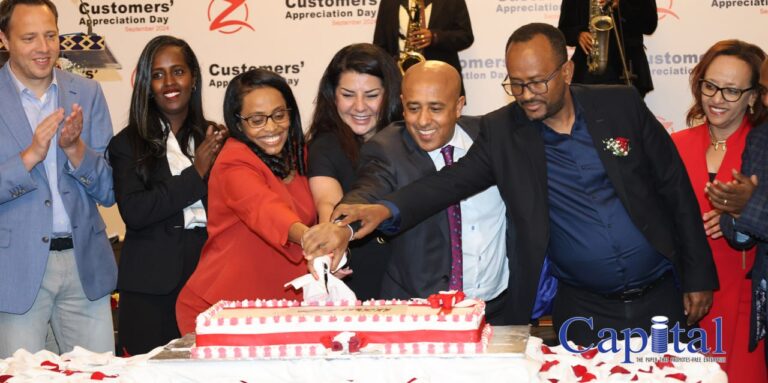
At a forum held last week, Zemen Bank also announced an increase in its legal reserves to 1.7 billion birr. The event recognized more than 200 long-standing customers and partners of the bank, showcasing its commitment to fostering relationships within the business community.

Dereje Zebene, CEO of Zemen Bank, expressed gratitude for the support received from customers and partners, stating, “We are fortunate to be able to work with our customers and partners at a time when the financial sector and services are becoming free.” This sentiment reflects the bank’s dedication to enhancing its services and expanding its reach within Ethiopia’s evolving financial landscape.

Among those recognized at the forum were investors engaged in various sectors including trade and investment, flower farm development, technology, air transport, hotel management, and tourism. These sectors are vital to Ethiopia’s economic growth and development.

Currently, Zemen Bank operates with a network of 127 branches, 293 ATMs, and 801 point-of-sale (POS) machines. The bank’s signed capital has increased to 15 billion birr, with a paid-up capital of 7.5 billion birr and legal reserves of 1.7 billion birr. This robust infrastructure positions Zemen Bank as a key player in providing financial services across Ethiopia.

The successful mobilization of foreign currency is particularly significant given the ongoing challenges faced by many financial institutions in Ethiopia. As the country navigates economic reforms and seeks to stabilize its currency, Zemen Bank’s ability to attract foreign exchange demonstrates its resilience and commitment to supporting both local businesses and the broader economy.

Zemen Bank’s achievement of mobilizing over $500 million in foreign currency underscores its role as a leading financial institution in Ethiopia. With its strong capital base and extensive network, the bank is well-positioned to continue contributing to the country’s economic growth while supporting its customers and partners across various sectors. As Ethiopia’s financial landscape evolves, Zemen Bank remains committed to fostering innovation and resilience within the banking sector.

Ethiopian family businesses face governance challenges

0

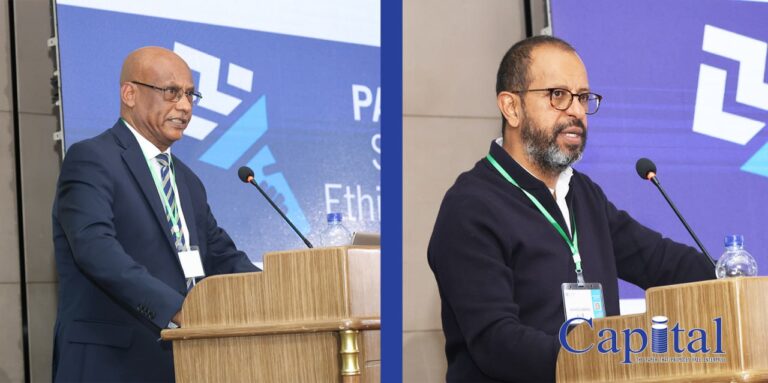
In a significant development, the inaugural conference of the Ethiopian Family Business Forum (EFBF) has shed light on the critical challenges faced by family businesses in Ethiopia. The conference, held under the theme “Passing the Torch; Sustaining Success in Ethiopian Family Business,” highlighted the importance of these enterprises in the country’s economy and the need for support to ensure their growth and success.

Family businesses in Ethiopia, known as Ethiopian Family Businesses (EFBs), are a significant contributor to the country’s economic growth. However, they face numerous challenges, including weak governance structures, lack of formal succession planning, and inadequate talent management practices.

Solomon Gizaw, the Chairman and CEO of HST Consulting, emphasized that one of the most critical challenges in family businesses is transition planning. This involves preparing leadership and ownership in advance for the seamless transfer of leadership from one generation to the next. He stated, “It is no exaggeration to say that family businesses are the pillars of our economy that foster entrepreneurship, resilience and motivation to innovate.”

The EFBF was established to address the importance of family businesses in the economy and support their growth. In Ethiopia, these enterprises not only contribute significantly to GDP but also play a vital role in job creation and community development. The forum is now formally registered and is currently supported by the customer sector and professional services in HST Consulting.

According to Solomon, the purpose of the EFBF is to serve as a platform for the exchange of knowledge and experience for current and future family business owners. The conference featured a great group of speakers with a wealth of experience and knowledge, engaging in extensive discussions on the main topics of family business management.

The establishment of the EFBF marks a significant step in recognizing the importance of family businesses in Ethiopia’s economy. By providing a platform for knowledge sharing and addressing the challenges faced by these enterprises, the forum aims to help EFBs grow and sustain their success.

As family businesses continue to play a crucial role in Ethiopia’s economic landscape, addressing the challenges of weak governance structures, succession planning, and talent management will be essential for their long-term success. The EFBF’s efforts to support and empower these enterprises are commendable and will undoubtedly contribute to the overall economic development of the country.

United States (US) Consulate Supports Africa Creative Market, Strengthens Collaboration with Nigeria’s Creative Industry

0

For the third consecutive year, the U.S. Consulate General in Lagos supported the Africa Creative Market to further strengthen the creative industry collaboration between the United States and Nigeria.

Founded by Dr. Inya Lawal, an alumna of the Fortune-U.S. Department of State Global Women’s Mentoring Partnership program, the Africa Creative Market brings together stakeholders from the African and international creative industries to exchange ideas and explore innovations to spur the growth of Africa’s creative economy.

This year, two U.S. creative industry leaders –– Steffan Horowitz, from the University of Southern California’s School of Cinematic Arts and Director of the U.S. Department of State’s Africa Creative TV (ACTV) exchange program; and Dedren Snead, CEO of Atlanta-based transmedia company SUBSUME Studios –– participated in the weeklong conference with support from the U.S. Consulate General Lagos.

During the conference, U.S. Consulate Public Affairs Officer Julie McKay joined Horowitz and Nigerian alumni of the Africa Creative TV exchange program to discuss opportunities for bridging the gap between African creatives and global audiences, offering valuable insights for emerging filmmakers, producers, and content creators. Similarly, Snead led a workshop focused on entrepreneurship, innovation, and the power of digital platforms in amplifying African stories globally. He shared perspectives on the use of animation and gaming to create immersive cultural experiences that elevate African narratives internationally.

Additionally, the African Creative Market hosted the AWE 2.0 Initiative that brought together 150 alumnae of the Academy for Women Entrepreneurs for a three-day immersive program aimed at advancing their digital skills to scale their businesses. Snead engaged with the AWE alumnae underscoring the U.S. government’s commitment to promoting women-led businesses and equipping female entrepreneurs with the skills needed to succeed in the rapidly evolving digital economy.

U.S. Consul General Will Stevens noted that the participation of U.S. industry leaders at the Africa Creative Market reflects the growing creative industry collaboration between the United States and Nigeria that is bringing the two countries closer together in music, film, fashion, gaming, arts, tech, professional and educational exchanges.

“The United States recognizes the tremendous potential of the creative industries in driving growth, fostering prosperity, and creating economic opportunities,” Consul General Stevens said. “At the U.S. Mission, we continue to engage with Nigeria’s creative industry leaders and innovators to discuss building a sustainable ecosystem, unlocking access to new markets, and advancing opportunities for two-way trade and investment in the creative sector.”

U.S. Consulate Public Affairs Officer Julie McKay highlighted the significance of the Africa Creative Market, describing it as a unique opportunity for emerging Nigerian creatives to connect with their U.S. counterparts and explore collaborations and sustainable business models in the global creative marketplace.

“Every year, the U.S. Mission sends emerging leaders in Nigeria’s creative industry on a variety of U.S. government sponsored exchange programs,” McKay said. “We remain committed to supporting programs and initiatives that promote artistic expression, encourage cultural exchange, and strengthen the capacity of Nigerian artists and professionals in the creative industry.”

The United States has a long history of supporting Nigerian creative talents. Recently, the U.S. Department of State introduced three new exchange programs for Nigeria’s creative industry. They include Africa Creative TV (ACTV) initiative for writers and producers in the film and TV industries; the American Music Mentorship Program, which is in partnership with the Recording Academy (Grammys); and the Community College Initiative, a one-year program that will take participants through the script to the screen process.

Distributed by APO Group on behalf of U.S. Embassy and Consulate in Nigeria.