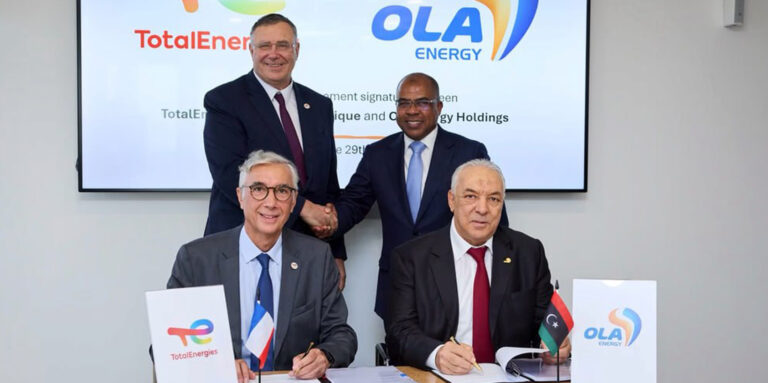
Ethiopia’s downstream petroleum industry is entering one of its most significant periods of transformation in decades following OLA Energy Group’s agreement to acquire TotalEnergies Marketing Ethiopia. The transaction not only reshapes the competitive landscape of the country’s fuel retail business but also marks the end of one of the longest-running international corporate legacies in Ethiopia.
The acquisition positions OLA Energy as the largest foreign-owned fuel retailer in Ethiopia, dramatically expanding its nationwide footprint and reinforcing its ambition to become one of Africa’s leading downstream energy companies.
Once the transaction receives regulatory approval from Ethiopian authorities, OLA Energy will take ownership of TotalEnergies Marketing Ethiopia’s downstream operations, including more than 120 strategically located service stations, fuel storage facilities, logistics infrastructure, aviation fuel operations, lubricant business, and an extensive network of non-fuel retail services.
The agreement represents far more than a corporate acquisition. It reflects changing global energy strategies, Ethiopia’s ongoing economic reforms, and the growing role of African investment institutions in shaping the continent’s energy future.
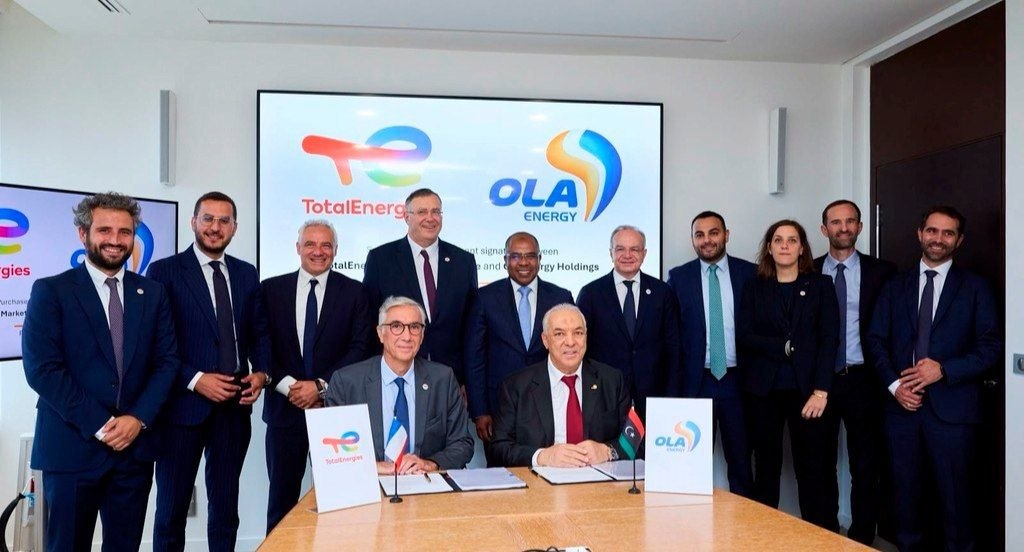
The end of a 76-year presence
For TotalEnergies, the transaction concludes a remarkable chapter that spans more than seven decades.
The French energy company has operated continuously in Ethiopia for approximately 76 years, becoming one of the country’s most recognized international brands. During this period, the company established a reputation for high-quality fuel products, strict operational standards, customer service excellence, and advanced safety practices.
Across generations, the “Total” brand evolved beyond a fuel station network. For many Ethiopian motorists, it represented reliability, consistent product quality, professional maintenance services, clean facilities, and internationally recognized operational standards.
Its departure therefore carries symbolic significance in addition to commercial implications.
The acquisition transfers ownership of nearly 120 service stations located across Addis Ababa, Dire Dawa, Mekelle, Hawassa, and numerous regional cities. The transaction also includes a fuel storage terminal with approximately 13,000 cubic meters of storage capacity, ten storage assets, modern logistics systems, digital payment infrastructure, lubricant operations, aviation fuel services, and several complementary retail businesses.
OLA Energy becomes Ethiopia’s leading foreign fuel retailer
Already operating in Ethiopia before the acquisition, OLA Energy has now emerged as the country’s largest foreign participant in the downstream fuel retail market.
The transaction significantly expands the company’s presence, increasing its network to more than 120 additional stations while strengthening its relationships with retail consumers, commercial customers, aviation operators, industrial clients, and lubricant distributors.
Beyond conventional fuel sales, the acquired network includes convenience stores, vehicle washing facilities, lubricant service bays, and aviation fuel supply operations at Addis Ababa Bole International Airport, according to OLA.
The acquisition also elevates OLA Energy’s position within Africa’s downstream petroleum sector, where the company already operates across numerous countries supplying fuels, lubricants, liquefied petroleum gas (LPG), aviation fuel, marine fuels, and industrial energy products.
Formerly known as OiLibya, the company rebranded as OLA Energy in 2018 as part of a broader strategy to establish itself as a modern pan-African energy company.
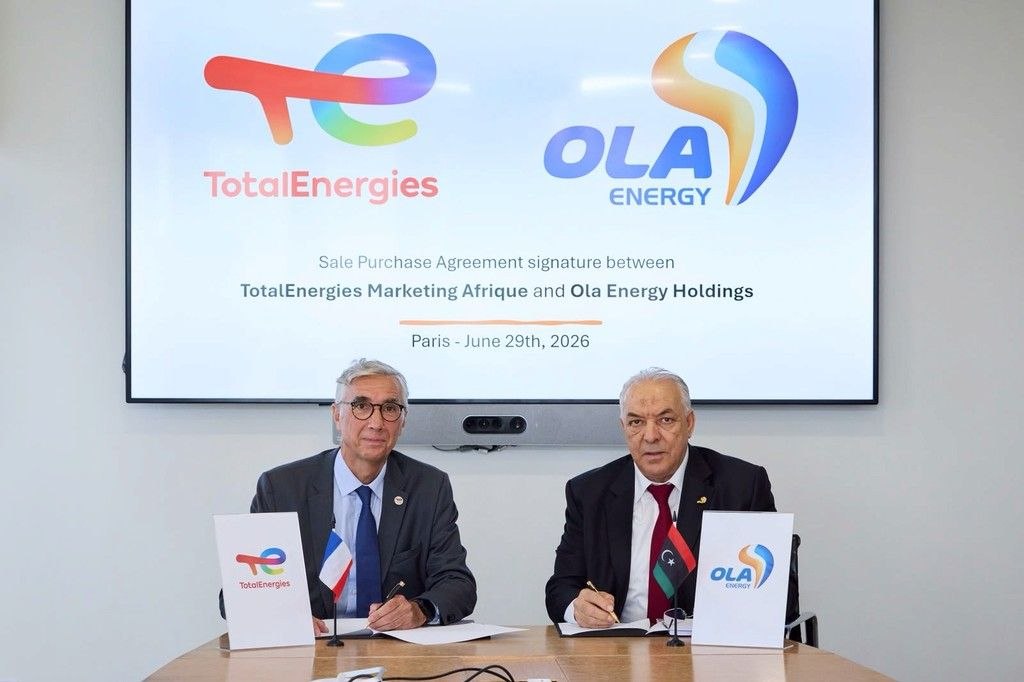
According to a statement posted on OLA Energy’s official website, Executive Chairman Abozid Swalem said the acquisition underscores the company’s confidence in Ethiopia’s economy and Africa’s energy sector. “This agreement reflects our confidence in Ethiopia and in the continued growth potential of Africa’s energy markets. It is fully aligned with OLA Energy’s ambition to expand our presence, strengthen our network and remain close to the customers and communities we serve across the continent,” he said.
OLA Energy has also emphasized that maintaining operational continuity, protecting existing service quality, preserving safety standards, and respecting local expertise will remain priorities throughout the transition process.
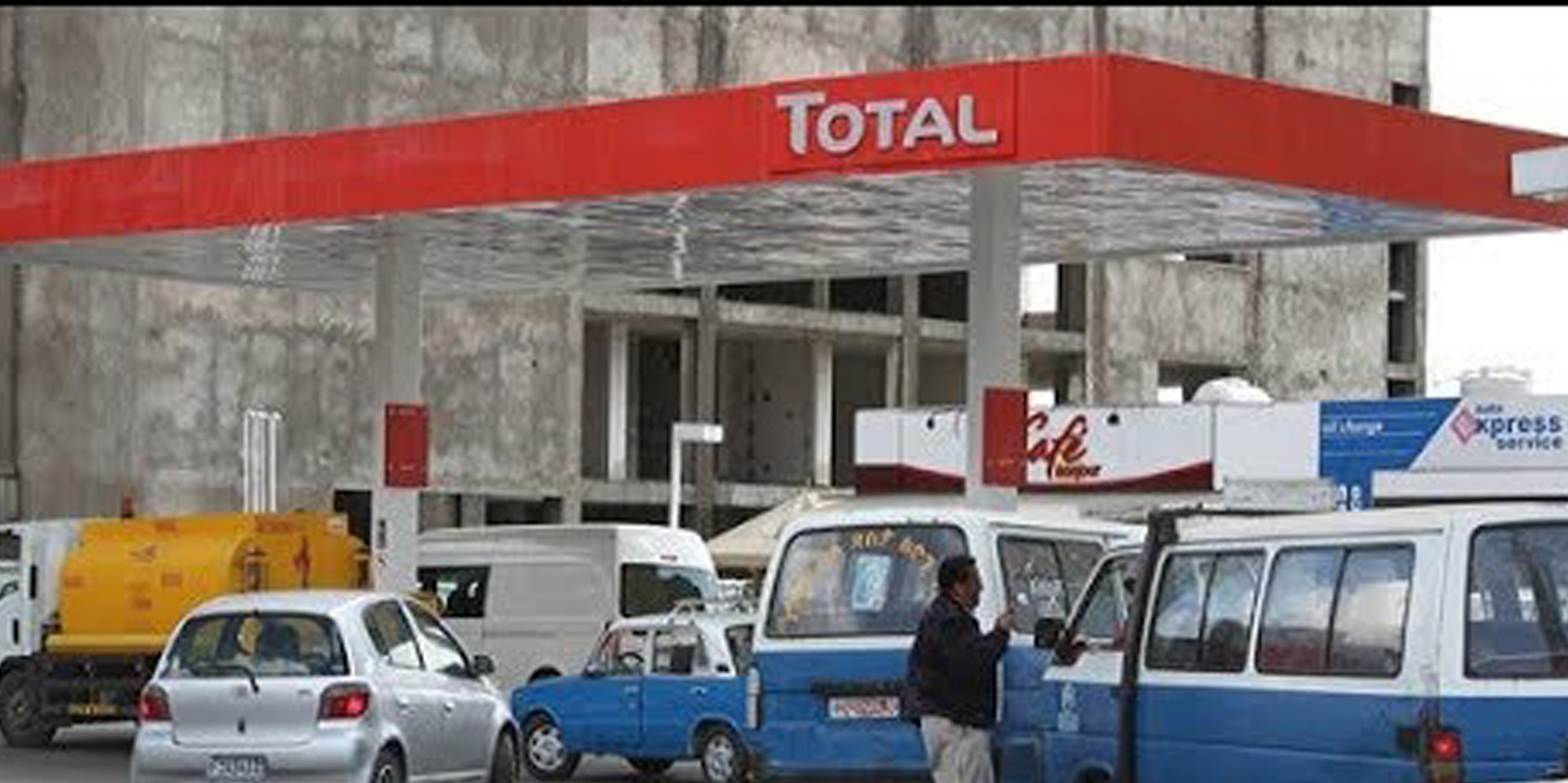
Why TotalEnergies is leaving
Although the transaction may appear to reflect concerns specific to Ethiopia, industry analysts note that TotalEnergies’ decision forms part of a much broader global corporate strategy.
Under Chief Executive Officer Patrick Pouyanné, TotalEnergies has been reshaping its international portfolio as it transitions from a traditional oil company into a diversified multi-energy corporation.
The company has committed to achieving net-zero emissions by 2050 while significantly reducing fossil fuel sales by 2030. To finance investments in renewable energy, electric vehicle charging infrastructure, clean electricity generation, hydrogen, and integrated energy solutions, TotalEnergies has been reviewing operations across multiple markets.
The Ethiopian exit therefore represents a strategic portfolio adjustment rather than a complete withdrawal from global energy markets.
The company is increasingly directing investment toward businesses expected to dominate future energy demand while reducing exposure in markets where profitability remains constrained by regulatory limitations.
While global corporate restructuring provides the broader explanation, local industry experts believe Ethiopia’s business environment also contributed to the decision.
Despite recent economic reforms, fuel retail remains heavily regulated. Government authorities continue to influence retail pricing, distribution systems, and profit margins, limiting commercial flexibility for private operators.
Foreign currency shortages have further complicated operations for multinational companies that rely on imported products, international financing, and foreign exchange for capital investment.
Industry observers argue that while Ethiopia has introduced important legal reforms aimed at liberalizing the downstream petroleum sector, building long-term investor confidence will require greater regulatory predictability, improved market freedom, and stronger institutional stability.
Opportunities and risks for OLA Energy
Energy experts describe the acquisition as both a significant opportunity and a complex operational challenge.
Senior energy analyst Zeleke Belete characterizes the development as a “double-edged sword.”
On one hand, OLA Energy gains immediate access to one of Ethiopia’s most valuable fuel retail networks without the lengthy process of building new infrastructure.
On the other hand, replacing a globally respected operator presents considerable expectations.
According to Zeleke, TotalEnergies established internationally recognized standards in engineering, infrastructure management, operational safety, environmental protection, and corporate governance.
Maintaining those standards throughout the transition will be essential if OLA Energy hopes to preserve customer confidence.
Perhaps OLA Energy’s greatest challenge extends beyond logistics or infrastructure.
It is the challenge of customer trust.
An experienced petroleum industry executive, speaking on condition of anonymity, believes Ethiopian consumers have developed a deep emotional attachment to the Total brand over several decades.
“For many customers, Total represented much more than fuel,” the executive explained.
“It symbolized consistency, professionalism, quality maintenance services, reliable lubricants, clean stations, and dependable customer care.”
The executive believes customers may initially question whether service quality, technical standards, fuel handling procedures, and station maintenance will remain unchanged under the new ownership.
“Increasing market share is one achievement,” the executive said. “Winning long-term customer confidence is an entirely different challenge.”
Industry observers believe preserving experienced local employees, maintaining technical standards, and ensuring uninterrupted operations will be critical to retaining customer loyalty during the transition.
Some economists view the acquisition more positively.
Economist Admasu Tassew argues that OLA Energy’s extensive African network could strengthen Ethiopia’s fuel supply chain by providing access to broader regional procurement channels and diversified international suppliers.
The company already operates integrated fuel supply systems across numerous African countries, giving it greater flexibility to manage supply disruptions than smaller market participants.
If effectively managed, this regional scale could reduce emergency fuel shortages that have periodically affected Ethiopia in recent years.
Fuel sector reform continues
The acquisition coincides with a period of sweeping reform within Ethiopia’s petroleum industry.
The government has gradually introduced measures aimed at modernizing fuel pricing, improving transparency, reducing subsidy burdens, and encouraging greater private sector participation.
Authorities are also preparing to broaden participation in fuel imports, a responsibility historically dominated by the Ethiopian Petroleum Supply Enterprise (EPSE).
Allowing additional market participants to engage in fuel imports is expected to strengthen competition, diversify supply sources, and improve overall market efficiency.
Another important reform involves foreign currency financing.
Private commercial banks have increasingly joined the long-established Commercial Bank of Ethiopia in providing foreign exchange support for EPSE’s fuel import activities.
The expanded financing framework is expected to improve liquidity, broaden hard currency availability, and strengthen the country’s capacity to secure adequate fuel supplies.
Industry participants believe these reforms, combined with greater competition among downstream operators, could gradually create a more efficient and commercially sustainable petroleum market.
Beyond the immediate corporate transaction, the acquisition reflects broader shifts taking place across Africa’s energy landscape.
The growing role of African investment institutions, including the Libya Africa Investment Portfolio, demonstrates an increasing willingness by regional investors to expand strategic assets across the continent.
For Ethiopia, attracting continued investment from major regional energy companies may become increasingly important as fuel demand continues to grow alongside rapid urbanization, industrialization, and expanding transport infrastructure.
With a population exceeding 130 million and one of Africa’s fastest-growing economies, Ethiopia remains an attractive long-term market despite current operational challenges.
Industry analysts note that fuel consumption is expected to rise steadily over the coming decades, creating significant opportunities for companies capable of investing in infrastructure, logistics, storage capacity, digital services, and customer-focused retail operations.
The acquisition of TotalEnergies Marketing Ethiopia by OLA Energy represents one of the most consequential developments in Ethiopia’s downstream petroleum industry in recent years.
It closes the chapter on one of the country’s oldest multinational energy companies while opening a new phase led by an expanding African energy group with continental ambitions.
Success, however, will depend on far more than acquiring physical assets.
OLA Energy must demonstrate that it can preserve the operational excellence, technical standards, customer trust, and service culture that made the Total brand one of Ethiopia’s most respected names in fuel retail, say experts.
The experts underlined that if managed effectively; the acquisition could strengthen competition, improve supply resilience, support Ethiopia’s ongoing economic reforms, and contribute to the modernization of one of the country’s most strategically important industries.