
ABH offers opportunity to 40 African Entrepreneurs to explore innovations in China
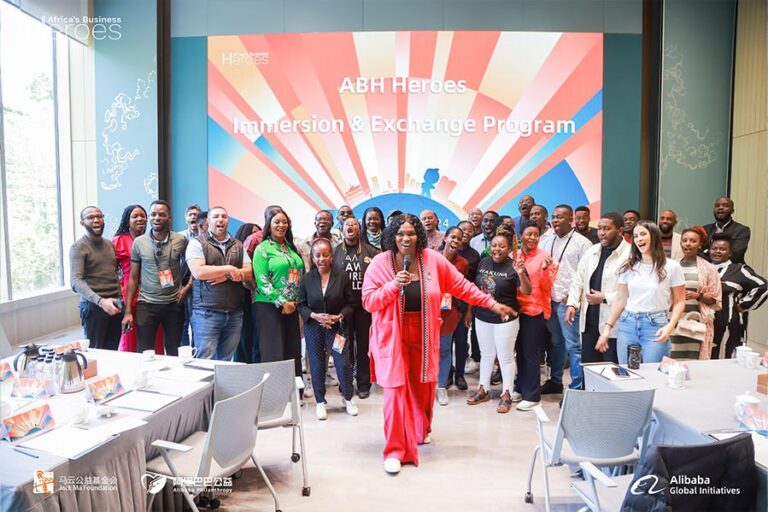
In a remarkable showcase of African entrepreneurial talent, the Africa’s Business Heroes (ABH) Prize Competition recently hosted 40 outstanding entrepreneurs from across the continent at Alibaba’s headquarters in Hangzhou, China.
The ABH Prize Competition, a philanthropic initiative sponsored by the Jack Ma Foundation and Alibaba Philanthropy, is dedicated to supporting and highlighting African entrepreneurs who are creating positive impact in their communities. Over a ten-year period, the program aims to recognize 100 African entrepreneurs and provide them with grant funding, training programs, and broader support to fuel the long-term growth of the African entrepreneurial ecosystem.
During their immersive visit to Alibaba, the participants, including ABH top 10 Heroes from 2019 to 2023 and other members of the ABH community, engaged in a wide range of activities designed to broaden their horizons. They participated in deep dives exploring various facets of the digital economy, from cloud computing to AI-driven logistics and e-commerce. The participants also attended workshops and site visits, gaining invaluable knowledge and perspectives that they can apply to overcome challenges, seize opportunities, and scale their businesses.
One remarkable entrepreneur is Ethiopia’s Amadou Daffe, ABH top 10 finalist in 2022, who returned to Ethiopia from the United States to build a pan-African tech talent marketplace called Gebeya. Gebeya is dedicated to nurturing excellence and investing in a rigorous onboarding and upskilling process to secure top tech talents for its pool. In collaboration with the Mastercard Foundation and other partners, Gebeya co-created Mesirat, a five-year, multi-phase program to generate job opportunities for one million highly skilled gig economy workers, with a focus on women and youth.

The ABH Prize Competition has also been actively engaging with the broader African entrepreneurial community. Over the past couple of months this year, the program has hosted information sessions and community events across the continent, including in Cameroon, Côte d’Ivoire, Egypt, Ethiopia, Ghana, Kenya, Nigeria, Rwanda, Senegal, South Africa, and Zambia.
The ABH Prize Competition is open to entrepreneurs from all 54 African countries, regardless of sector, age, or gender. Each year since the first edition in 2019, the ABH program continues to attract applications from a diverse range of entrepreneurs from across Africa, showcasing the breadth of talent and innovation across the continent.
One of the participants, Buntu Majaja, CEO of South Africa Innovation Summit and ABH Round 1 Judge, reflects on the ABH immersion program in Hangzhou, China. He describes the experience as a transformative journey that offered invaluable insights, cultural richness, and a sense of community that will continue to inspire African entrepreneurs as they build the future of the continent.
Content
Participants were immersed in Alibaba’s cutting-edge technology in Cloud, AI, and Robotics, gaining mind-expanding insights. They learned about the business models that shaped the development of various business units under Alibaba in the digital age. Particularly inspiring were the leadership sessions, which were both informative and interactive, allowing direct engagement with Alibaba’s experts.
On the first day, participants engaged with Randy Ou, Alibaba Group Treasury Vice President. Majaja was particularly struck by Ou’s belief that great leaders are harder to find than great managers. Alibaba’s people development strategy focuses on attracting and empowering these rare leaders, emphasizing the importance of leadership in driving innovation and growth.
Culture
The program offered a deep dive into Chinese and Hangzhou culture through local cuisine and sightseeing. Touring Hangzhou’s historic West Lake, famous across China, was a highlight. This is where Jack Ma once worked as a tour guide for foreign tourists, fostering his global mindset. Participants learned about Hangzhou’s history as one of China’s ancient capitals and listened to traditional poems. Additionally, they gained insights into Alibaba Group’s corporate culture, which emphasizes shared success and the development of new leaders.
Community
Connecting with like-minded African entrepreneurs was the heart of the experience. The room reflected perspectives from all corners of Africa, with entrepreneurs from diverse sectors such as health, finance, and education. The diversity was also evident in the age range and gender parity. The ABH team created a space for open dialogue and connection, fostering lasting bonds and valuable allies in building the continent. Key pieces of wisdom echoed through the conversations, emphasizing the importance of strategic market approaches, and the power of networking.
Massive Partnership Opportunities
Majaja highlighted the tremendous potential for partnerships between Africa and China. Both regions have unique strengths and resources that can complement each other to drive growth and innovation. Building more bridges between these regions can unlock vast possibilities, making the future brighter together.
Inspiring Journey
Witnessing Alibaba’s 25-year journey was awe-inspiring. Majaja noted that this understanding cannot be gleaned from a textbook. Evolution and growth similar to those of Alibaba can also happen in Africa. “Now is Africa’s time—we are the ones we’ve been waiting for,” he declared.
Future of Innovation
Majaja believes that the future belongs to those deeply invested in creating new technological value and applying technology in novel ways. Solving real problems and ultimately improving the well-being of many people will be the hallmark of successful innovation.
The ABH 2024 Immersion and Exchange Program in Hangzhou was a transformative experience. It provided invaluable insights, cultural richness, and a sense of community that will continue to inspire the participating African entrepreneurs as they build the future of the continent.
The 2024 edition of the ABH competition kicked off in March and applications closed on June 9, 2024. The top 50 finalists will be announced by August after an intense round of assessment, followed by the selection of the top 10 in September. The final winners will be unveiled at the Grand Finale in November.
For more information about ABH 2024 edition, please visit https://africabusinessheroes.org/en/ and follow ABH on X (https://apo-opa.info/3KY3OQs), LinkedIn (https://apo-opa.info/3L1Cgda), Instagram (https://apo-opa.info/3KZTXKa), Facebook (https://apo-opa.info/3ylgNE9) and YouTube (https://apo-opa.info/3YDG5bH).
Ethiopia struggles to attract sustainable investment amid global challenges
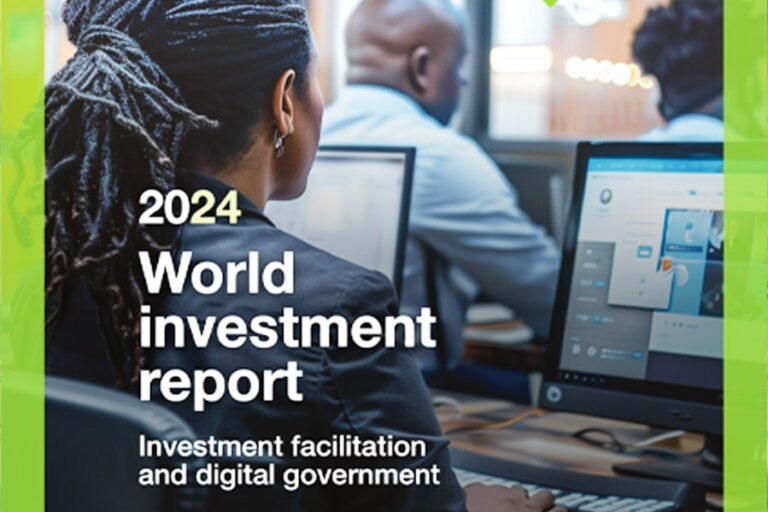
The 2024 World Investment Report paints a concerning picture for Ethiopia’s efforts to attract foreign direct investment (FDI) and financing for sustainable development projects.
According to the report published by the United Nations Conference on Trade and Development (UNCTAD), global FDI flows remained stagnant at $1.3 trillion in 2023, with developing countries like Ethiopia seeing a 7% decline. This downturn was driven by a combination of global crises, trade tensions, and tightening financing conditions.
Notably, the report found that investment in new industrial and infrastructure projects in developing countries declined, while investment in sectors relevant to the Sustainable Development Goals (SDGs) fell by more than 10% globally. This is particularly troubling for Ethiopia, which has made the SDGs a central pillar of its development strategy.
“Stagnant SDG investment and insufficient funding is severely hindering implementation of the 2030 Agenda and the SDGs, particularly in least developed countries,” said UN Secretary-General António Guterres in the report’s preface. “We need urgent action to remove obstacles and provide a transparent, streamlined investment climate for sustainable development.”
The report highlights that investment facilitation and digital government solutions have become more prominent features of national policies and international agreements, but these efforts have yet to translate into a significant increase in financial flows to developing countries.
“Despite these efforts, finance is not flowing at sufficient scale, due to high interest rates and geopolitical conditions,” Guterres said. “That means we must redouble our efforts.”
For Ethiopia, the challenges are multifaceted. The country has made strides in improving its investment climate, including through the establishment of a one-stop shop for investors and the introduction of digital government services. However, the report suggests that more needs to be done to ensure that these reforms effectively channel investment towards sustainable development projects.
“The SDG Stimulus we have proposed is a practical and achievable means of delivering this,” Guterres said, referring to UNCTAD’s call for a coordinated global effort to mobilize sustainable finance at scale.
As Ethiopia continues to navigate the complex global investment landscape, policymakers will need to prioritize strengthening investment governance and aligning financial flows with the country’s sustainable development agenda. The 2024 World Investment Report serves as a stark reminder that the road to achieving the SDGs remains long and arduous, but with concerted action, Ethiopia and other developing countries can overcome these challenges.
Ethiopia: A standout performer in Africa’s financing landscape
As Africa grapples with the daunting task of financing its ambitious development agendas, one country has emerged as a standout performer – Ethiopia.
According to the 2024 Mo Ibrahim Foundation Forum Report, Ethiopia is bucking the continental trend when it comes to mobilizing domestic resources. The report notes that Africa as a whole has government revenues that are only half that of OECD countries relative to GDP.
However, Ethiopia is an exception. “Ethiopia has been able to steadily grow its tax revenues, which now account for a respectable 15% of its GDP,” the report states. This places Ethiopia well above the African average, demonstrating the country’s ability to effectively harness its own resources to fund development.
The report also highlights Ethiopia’s success in tapping into other domestic financing sources, such as remittances and pension funds. Ethiopia accounts for over 12% of Africa’s total remittance inflows, which reached nearly $100 billion in 2022. Additionally, the country’s pension funds, while still small compared to global standards, have grown to over $10 billion in assets.
“Ethiopia’s approach to financing its development priorities serves as a model for other African countries,” said Akinwumi Adesina, President of the African Development Bank Group, who contributed to the forum report. “By focusing on enhancing domestic resource mobilization, Ethiopia is charting a more sustainable path forward.”
The report notes that while substantial external financing is still needed to fully implement Africa’s development agendas, countries like Ethiopia are showing that the continent’s own resources can play a central role. As Africa works to unlock its vast potential, the report suggests that other nations would do well to follow Ethiopia’s lead in mobilizing domestic resources for growth and transformation.
The report notes that while substantial external financing is still needed to fully implement Africa’s development agendas, countries like Ethiopia are showing that the continent’s own resources can play a central role. As Africa works to unlock its vast potential, the report suggests that other nations would do well to follow Ethiopia’s lead in mobilizing domestic resources for growth and transformation.
The report, “Financing Africa: Where is the Money?” provides a comprehensive analysis of both the financial needs deemed necessary for Africa to meet its development and climate goals and the resources that are currently available. The report makes the point that the resources mostly exist, but either lack the relevant processes to be effectively allocated where needed, or, significantly when it comes to domestic resources, are either dormant or misused.
Commenting on the release of the report, Mo Ibrahim, Founder and Chair of the Mo Ibrahim Foundation, said “We need a complete change of paradigm. This is not about Africa coming to the developed world with a begging bowl and developed countries considering how much more they can pledge. This is about smarter money, not just more money. As this report outlines, the money is already there. But current processes prevent resources from being used to properly address the challenges. Steps must be taken to reform the international financing system and update African debt structuring, risk assessment and mitigation and aid conditionalities. Even more, our continent must stop squandering its own assets and take proper ownership and responsibility. In short, we must apply good governance to ensure these assets are adequately leveraged for the best interests of our people.”
The report first identifies the substantial but often incoherent numbers associated with Africa’s development and climate goals. While the task of assessing financial needs is complicated by inconsistent data from multiple sources, the figures all point to staggering numbers. And whatever the numbers, the report underscores the critical need to ensure climate finance does not crowd out development finance, forcing African nations to choose between development for their population and environmental sustainability.
The report then analyses financial contributions from non-African sources. Official Development Assistance (ODA) accounts for nearly 10% of the continent’s financial resources. But ODA from western donors remains primarily directed towards health and education, and often comes with specific conditionalities. Meanwhile non-DAC countries commitment to Africa is growing steadily and addresses the demand. Debt cannot be the way out, as stock and servicing costs have tripled since 2009, and its increasingly complex structure renders traditional relief efforts obsolete. Other key issues include inadequate African risk assessment and mitigation, the IMF’s specific surcharges, and dormant ODA funds.
But the main source could well be Africa’s domestic resources, which, according to the African Union, should on average cover between 75% and 90% of the needs to finance Agenda 2063. However, most of those resources appear to be potential or dormant at best and are too often misused. Preventing leakages through Illicit Financial Flows (IFFs) could bolster resources by up to $100 billion annually, surpassing both ODA received ($81 billion annually) and remittances sent back to the continent ($97 billion annually). With the average tax-to-GDP ratio in Africa still at 15.6% – half the OECD average – strengthening tax systems appears a quick win. Indeed, Africa lost $46 billion in corporate taxes due to tax incentives in 2019, more than half of ODA received. The report also highlights the potential of leveraging remittances, sovereign wealth funds, pension funds, and private wealth. Additionally, monetising Africa’s green assets including biodiversity, critical minerals, carbon-sinking potential can unlock notable financial resources, provided that good governance and allocation of resources to people’s development is ensured.