Africa is facing a critical moment in its HIV response, with recent funding disruptions threatening to slow or reverse hard-won gains across the continent. For years, sub-Saharan Africa has led the global decline in new infections, but UNAIDS says prevention programmes, community services and support for vulnerable groups are now under serious strain.
The report shows that sub-Saharan Africa still accounts for about half of all new HIV infections worldwide, even though the region has also recorded the steepest long-term decline. Since 2010, new infections in the region have fallen by 59 percent, but UNAIDS warns that this progress is fragile if funding cuts continue.
One of the biggest concerns is prevention. HIV prevention programmes across sub-Saharan Africa were sharply reduced in 2025, with enrolment in pre-exposure prophylaxis, or PrEP, dropping by 38 percent in reporting countries. Funding for condom programming and other prevention support also fell steeply in some donor-backed programmes. UNAIDS says this is especially worrying because prevention services in Africa have long depended heavily on external assistance.
Women and girls remain among the most affected. In sub-Saharan Africa, women account for six in every 10 new HIV infections. Adolescent girls and young women aged 15 to 24 remain at particularly high risk, with infection rates three to four times higher than those of their male peers in the region. The report says this shows the epidemic remains deeply shaped by gender inequality, poverty and unequal access to services.
Children are also still being affected. UNAIDS estimates that 94,000 children acquired HIV in 2025, the vast majority in sub-Saharan Africa. Although treatment coverage has improved over time, the report says gaps in prevention of mother-to-child transmission and broader service delivery continue to put children at risk.
Community-led organisations are another major concern. UNAIDS says these groups are vital to reaching people who might otherwise be left out of the health system, including people living with HIV, key populations and young women. But many of these organisations are now facing funding shortages, even though they provide counselling, outreach, testing support and help reduce stigma in communities.
The report argues that Africa’s HIV response must now shift toward stronger domestic financing, more efficient use of resources and better integration of HIV services into national health systems. It also calls for greater protection of community-led programmes, which it says are essential for sustaining progress.
UNAIDS says ending AIDS as a public health threat by 2030 is still possible, but only if countries act quickly to protect prevention, treatment and community systems. For Africa, the message is clear: progress has been real, but without renewed investment and political commitment, the gains of the past two decades could begin to slip away.
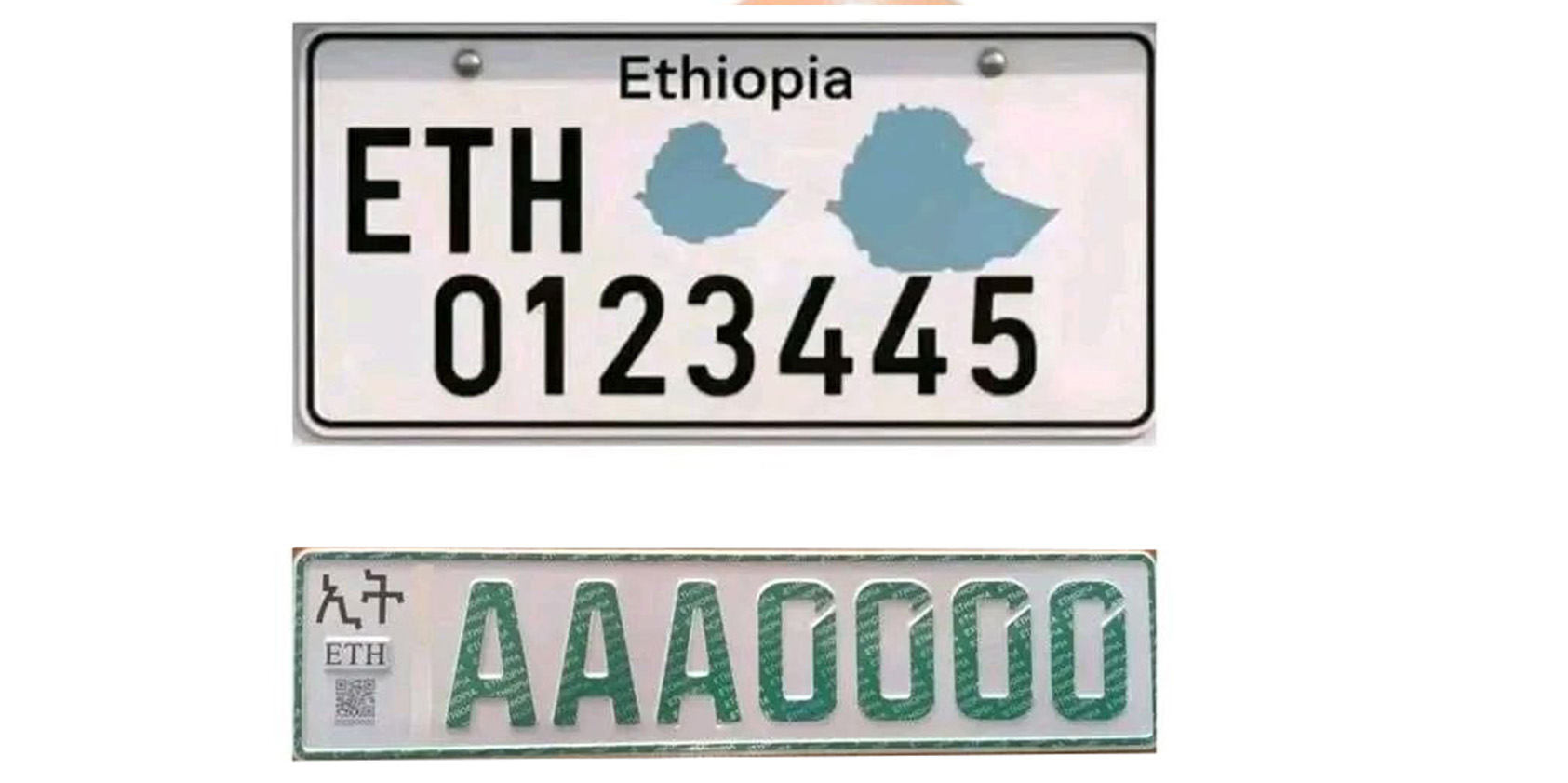
The Ethiopian government has officially announced that the Public Service Transport Service Enterprise will fully take over responsibility for manufacturing and distributing the country’s newly unveiled digital vehicle license plates. This transfer of responsibility will take place once the current international supply contract is completed and the system moves from its initial implementation phase into regular operation.
The announcement was made during the official launch of the country’s first standardized national vehicle identification system, which meets international standards.
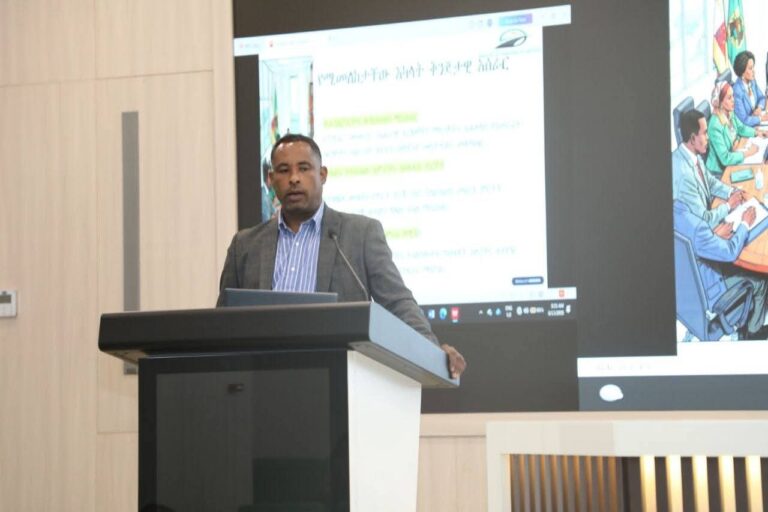
According to Zegeye Belayneh, Director-General of the Addis Ababa City Driver and Vehicle Licensing and Control Authority, the new system will fully replace the old license plate system currently in use, which suffers from numerous flaws.
Transport authorities explained that although the initial rollout followed an international framework — involving the large-scale manufacturing of 4 million modern plates by a specialized company in China due to a lack of immediate domestic production capacity — the long-term strategy calls for complete national control. To ensure economic sustainability, the government-backed Public Service Transport Service Enterprise has been officially mandated to handle all subsequent manufacturing and logistics operations.
Zegeye explained that the conventional plates currently in use suffer from structural flaws: they degrade quickly, lack uniformity, are prone to physical damage and are highly susceptible to forgery and illegal duplication. Officials emphasized that such counterfeit plate activity has repeatedly endangered public safety and security while enabling illicit operations.
However, following the license plate reform, the release of the new price list — which covers both front and rear plates and includes Value Added Tax (VAT) — has sparked intense opposition and concern among vehicle owners and service providers. Critics argue that the newly released tariff represents a major price increase compared with previous plate issuance costs, imposing a heavy economic burden that overshadows the benefits of the lifetime smart license plates.
According to the official tariff list, the price for private, commercial, diplomatic and aid organization vehicles running on fuel is set at 56,000 Birr, while those running on electricity or gas are priced at 44,500 Birr. For cross-border freight transport vehicles, the fee is 28,500 Birr for fuel-powered vehicles and 15,200 Birr for electric or gas-powered vehicles. Public taxis are charged 11,700 Birr for fuel-powered vehicles and 9,400 Birr for electric or gas vehicles. For buses, government vehicles, vehicles for persons with disabilities and bajajs, the cost is 9,400 Birr for fuel-powered vehicles and 7,100 Birr for electric or gas vehicles. Motorcycles are priced at 4,700 Birr for fuel-powered models and 3,550 Birr for electric or gas models.
Even as public criticism grows, economic analysts say the government’s pricing strategy sends a clear signal to the automotive market and represents a strategic move to accelerate the transition away from fossil fuels. By offering discounts of up to 46 percent for electric and gas-powered vehicles, policymakers are using the price gap to encourage consumers to adopt electric vehicles.
Nevertheless, public taxi drivers and transport associations have warned that the added cost could trigger inflation, affecting public transport fares and logistics expenses. During a recent press conference, the authority did not provide a detailed response to the pricing concerns.
Officials also said that, to manage the large volume of demand without overloading administrative channels, the government has introduced a strict phased implementation plan beginning with a pilot program across 11 key branches in Addis Ababa. The first phase targets newly registered vehicles. More than 1,000 major construction companies, commercial enterprises and transport organizations — some managing fleets of hundreds of vehicles — are already registered and waiting to receive the new plates.
Before the rollout, the authority acknowledged that minor delays were caused by structural adjustments to the system and technological upgrades. As a result, the ministry said transitioning existing vehicles, categorized under Code 1, 2, 3 and so on, into the new system is expected to take three to six months.
Civil society organizations and development partners are urging the Ethiopian government to establish strict market regulation and accountability mechanisms, as the intended retail price reductions for women’s menstrual hygiene products have not been properly implemented for consumers.
Non-governmental organizations (NGOs) say that despite previous fiscal reform measures aimed at reducing the economic burden on women, structural bottlenecks, weak supply-chain monitoring and low awareness continue to disrupt the process, leaving millions of women and girls still facing difficulties.
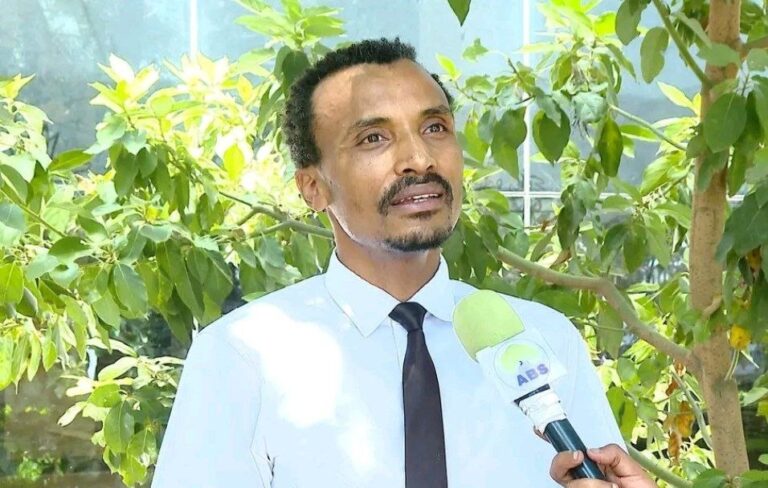
Speaking to Capital on the issue, Tolessa Olana, Prevention, Africa Union Liaison and Advocacy Manager (PAULAM) at AHF Ethiopia, said the lack of access to menstrual health products has become a major barrier to gender equality, health, education and economic productivity in Ethiopia.
According to a comprehensive draft policy document presented in 2025, titled “Zero Tax on MHH Products & Quality Access: Advancing Menstrual Equity in Ethiopia,” a detailed roadmap has been outlined to remove structural barriers facing Menstrual Health and Hygiene (MHH) products.
The draft document, collaboratively prepared by the Ministry of Health (MoH), the Ministry of Education (MoE) and more than 10 partners, including AHF, UNICEF and others, along with local manufacturers of reusable sanitary pads, shows that only about 30 percent of women in Ethiopia currently have access to modern menstrual hygiene products.
The consequences of this shortage are severe: one in 10 adolescent girl misses regular school days because of menstruation, while many women are forced to cope with reduced productivity or absenteeism in the workplace.
Although the government has previously adjusted import tariffs, a maximum Value Added Tax (VAT) of 15 percent still applies to disposable pads and other MHH products. The problem is compounded by a 10 percent import duty on finished products and high taxes on raw materials used in production.
Tolessa Olana said that despite high-level policy discussions with importers, retailers and social marketing actors, no tangible impact has been seen at the community level. He noted that although extensive discussions have been held with manufacturers, importers, distributors and social marketing networks, awareness of the tax exemptions remains low.
Furthermore, because the market is not continuously monitored and strictly regulated, it is difficult to verify whether tax relief is actually benefiting consumers or simply increasing profit margins for middle-tier traders in the supply chain.
Citing broad macroeconomic data, Tolessa said Ethiopia’s main challenge is not a lack of research or studies, but implementation bottlenecks. Recent studies also indicate that high inflation on basic commodities is worsening the situation.
Due to these high costs, many low-income and rural residents are forced to use unhygienic alternatives such as rags and leaves, significantly increasing their long-term vulnerability to reproductive and urinary tract infections (UTIs). This issue was reflected last week during the celebration of Menstrual Hygiene Day on June 12 at the Adama Special Economic Zone, held under the theme: “Let’s Jointly Ensure a Country Comfortable for Menstrual Hygiene and Services.”
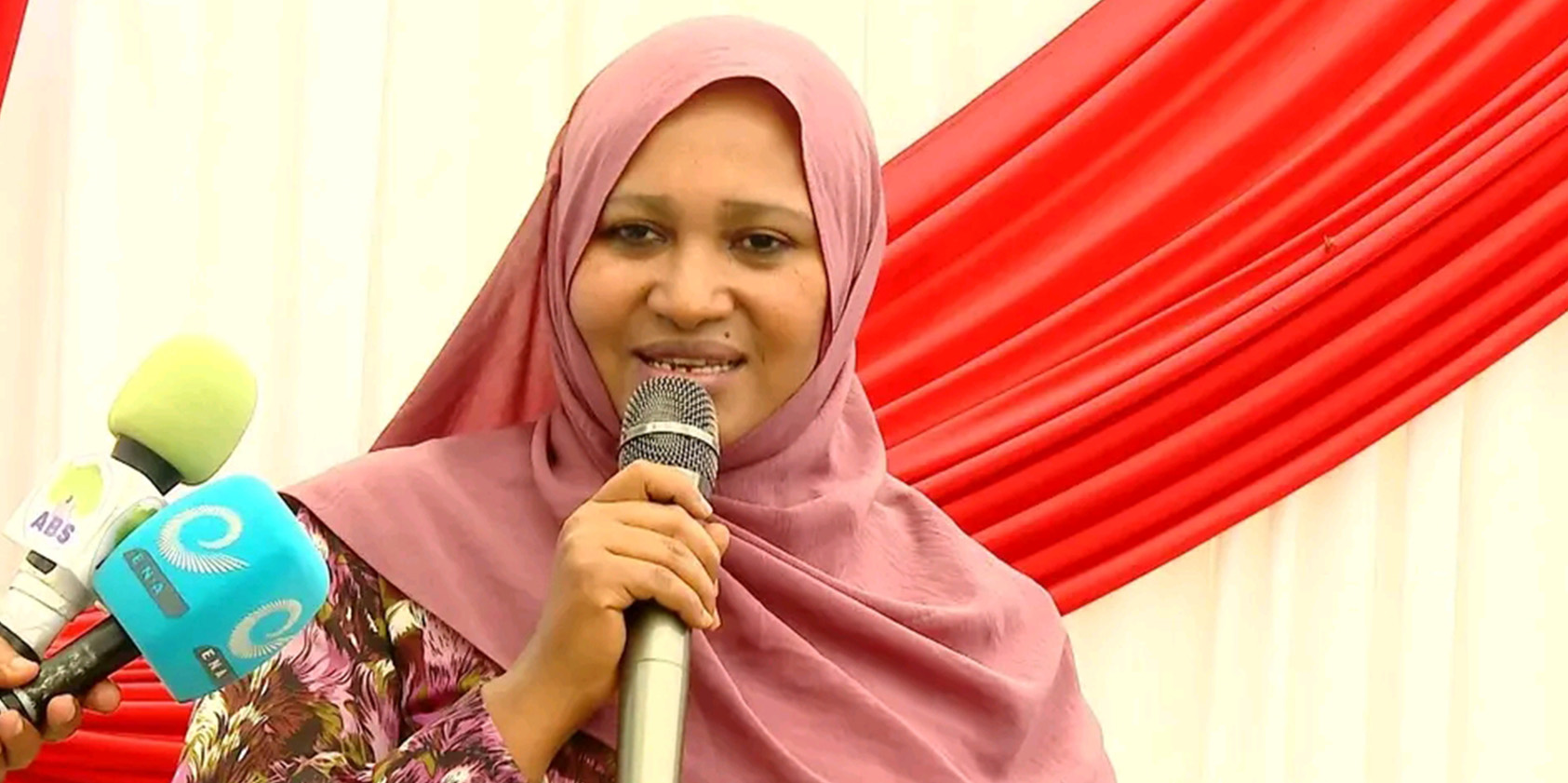
Speaking at the event, Fatuma Seyid, Executive for Women and Social Affairs Mainstreaming at the Ministry of Health, said the main objective of marking Menstrual Health and Hygiene Day annually is to create favorable conditions so that women and adolescent girls can maintain their hygiene, dignity and safety during menstruation.
While the annual observance has brought a significant shift in awareness among communities, leaders and girls themselves, she noted that gaps remain. Due to persistent lack of awareness, menstruation is often treated as a minor illness in workplaces, preventing women from receiving sick leave, and there is still a lack of coordinated systems across sectors.
The Ministry of Health further noted that the soaring price of products, exacerbated by the current high cost of living, together with limited access outside urban centers, is forcing many girls to miss school and work. To address the price and accessibility challenges, the ministry said it is working with various stakeholders and ministries on potential duty-free exemptions and other policy reforms.
Data suggests that the domestic crisis has been further aggravated by the decline in international humanitarian funding. Historically, international non-governmental organizations (INGOs) helped bridge the supply gap by purchasing and distributing sanitary kits through donor-funded emergency aid and education support initiatives.
However, over the past two years, severe funding shortages have forced several major aid organizations to scale down their operations or close their offices entirely. As donor countries prioritize domestic economic concerns or redirect funding elsewhere, the financial safety net that previously protected millions of Ethiopian students from product shortages has weakened significantly.
At the same time, local manufacturers trying to fill the supply gap face severe operational hurdles. Companies seeking to import raw materials for domestic production are hit by complex tax structures, high import duties and regulatory delays at customs points.
This drives up production costs, forcing local factories to pass the burden on to consumers. Civil society groups argue that menstrual hygiene should no longer be viewed narrowly as a health or tax issue, but rather as a core pillar of national educational infrastructure.
Organizations such as AHF are calling on the Ministry of Education and regional health bureaus to establish a permanent, dedicated budget line to distribute free sanitary products across all public schools, similar to the administrative and financial frameworks used for national school feeding programs.
Despite current administrative delays, partner organizations remain optimistic that the federal government will take decisive institutional action to implement retail price caps, streamline incentives for local manufacturing and protect the educational rights of female students across the country.
Siket Bank and the Ethiopian Commodity Exchange (ECX) have forged a landmark strategic partnership to fully integrate their financial and information ecosystems. This collaboration aims to enhance the efficiency of agricultural commodity trading and expand access to credit for farmers and traders.
A key aspect of this partnership involves the direct electronic integration of the ECX Data Center with Siket Bank’s “Tier 3” Data Center gateway. This integration will establish a secure and efficient financial settlement system.
Siket Bank, which recently transitioned from a microfinance institution to a full commercial bank authorized by the National Bank of Ethiopia, leverages the modern “T24” core banking system.
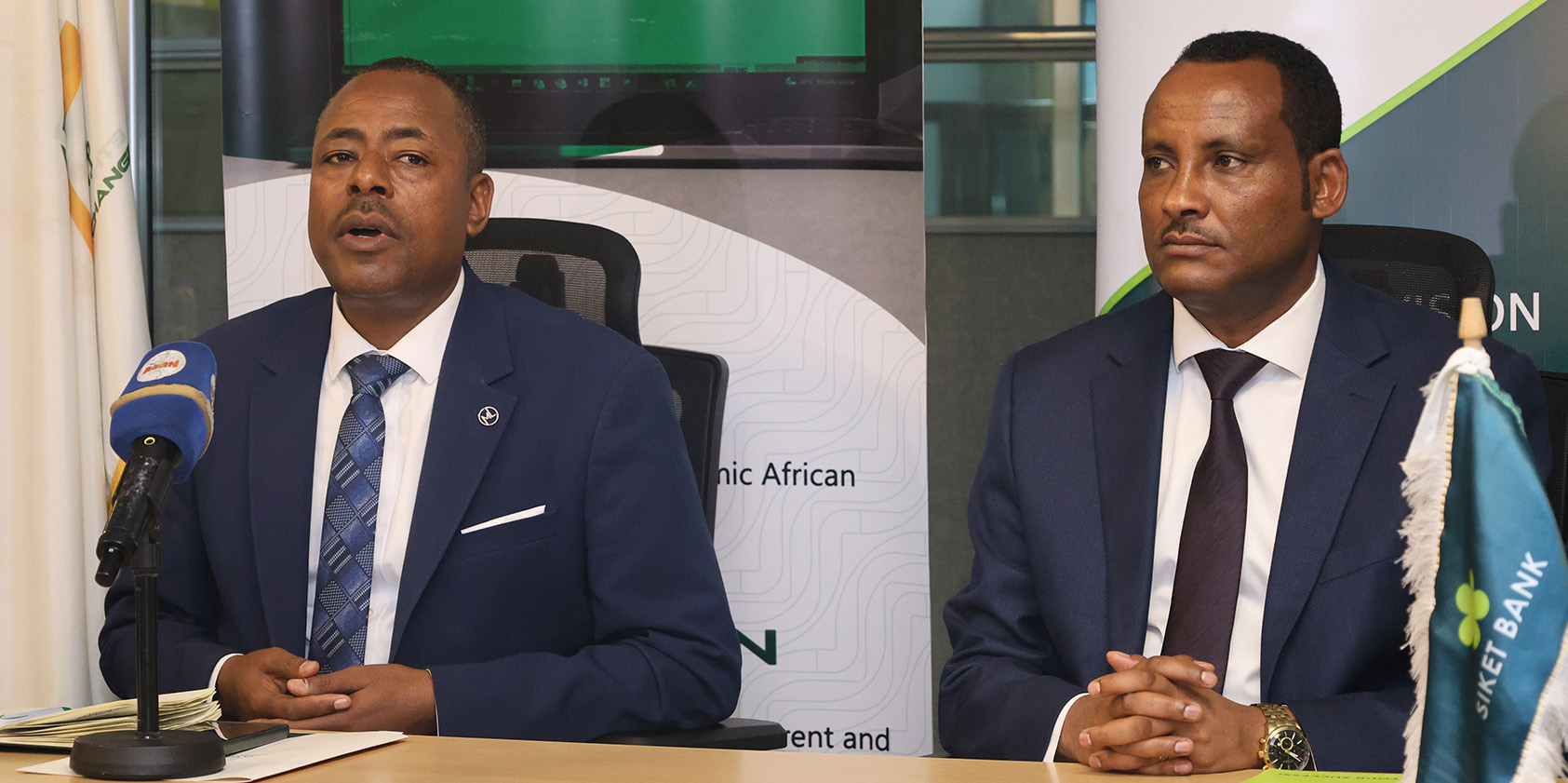
Damtew Alemayehu, President of Siket Bank, stated that the bank will install primary and backup data transmission lines to ensure permanent and seamless information exchange under the new agreement. This will allow electronic account instructions or fund transfer requests from the ECX trading system to be directly and instantly routed into Siket Bank’s core banking system, with immediate digital confirmation of task completion sent back to the ECX.
A vital component of the agreement is the strengthening of Warehouse Receipt financing. The ECX issues reliable warehouse receipts that confirm the ownership, quantity, quality, and grade of agricultural products stored in various warehouses.
According to Damtew, Siket Bank will accept these electronic warehouse receipts as loan collateral. This will enable producers, traders, and cooperatives to easily access working capital loans without needing traditional collateral such as property.
To date, the ECX has facilitated 1.74 billion Birr in loans to product owners pledging their goods. The inclusion of Siket Bank is expected to significantly boost this performance and provide rapid liquidity for participants in the agricultural trade value chain.
At the signing ceremony, Mergia Bayissa,CEO of the Ethiopian Commodity Exchange, emphasized the reliability of the institution’s payment system. He highlighted that this agreement marks a significant milestone, bringing the number of banks collaborating with the ECX in payment partnerships to 27.
“Over the past 18 years, the total amount of money deposited by buyers into exchange purchasing accounts and paid out to sellers has exceeded 430 billion Birr,” Mergia stated. “This has ensured that sellers receive their proper payments without any disruption the day after selling their products.”
He added that by fully transitioning its trading system to an Online Trading Platform, the ECX successfully traded 96,423 metric tons of diverse commodities worth 38.3 billion Birr between April 2025 and June 7, 2026, entirely without default.
Siket Bank President Damtew expressed his bank’s full readiness and high optimism for comprehensive implementation of the agreement. He noted that the bank’s rapid financial growth—with total assets reaching 24 billion Birr, capital at 10 billion Birr, over 795,000 clients, and a branch network of 163—positions it to become a strong competitor in the export financing sector.
“This partnership will provide our customers with a fast, efficient, and modern trading ecosystem,” Damtew said. “We will work with dedication to increase our borrowing customer base through the warehouse receipt lending service and contribute our share to the country’s economic growth.”