Wednesday, November 11, 2026
Home Blog Page 2083

Transformative Healthcare Initiatives

0

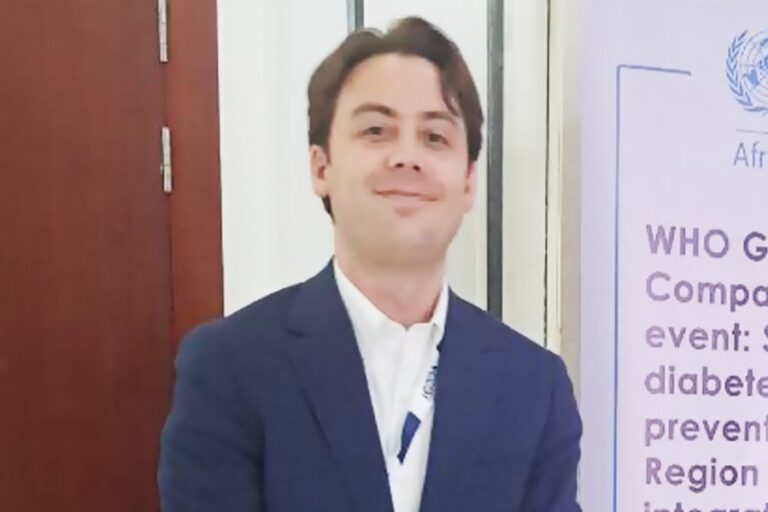
Amidst the complex landscape of healthcare challenges in Ethiopia and East Africa, the Helmsley Charitable Trust stands as a beacon of hope, dedicated to catalyzing transformative change. At the helm of this noble endeavor is James Reid, Program Officer at the Trust, who is committed to advancing healthcare accessibility and outcomes across the region. In a recent interview, James shed light on the trust’s multifaceted initiatives, particularly its focus on combating type 1 diabetes and other non-communicable diseases (NCDs).

With a history spanning over 15 years, the Helmsley Charitable Trust has emerged as a pivotal player in the healthcare arena, channeling substantial resources and expertise to address pressing health disparities. Central to its mission is the pursuit of innovative solutions that resonate with the local context, empowering communities and fostering sustainable progress. From forging strategic partnerships with government entities and grassroots organizations to leveraging cutting-edge research and technology, the trust employs a holistic approach to tackle the intricate web of healthcare challenges.

In Ethiopia, where healthcare access remains a pressing concern, the trust’s efforts have been instrumental in driving tangible improvements. Through collaborative endeavors with key stakeholders such as the Ministry of Health, local healthcare providers, and advocacy groups, the trust has championed initiatives aimed at enhancing diabetes care and bolstering healthcare infrastructure. Moreover, its engagement extends beyond national borders, encompassing neighboring countries like Kenya, Tanzania, and Rwanda, where similar initiatives are making significant strides.

In this illuminating interview with Capital’s Groum Abate, James Reid digs  into the trust’s ongoing projects, highlighting success stories and outlining strategies for sustainability. From the pioneering Penn Plus model of care to innovative approaches in optimizing healthcare spending, the trust’s initiatives are poised to make a lasting impact on the lives of countless individuals. As James articulates the vision for the future, it becomes evident that the Helmsley Charitable Trust remains steadfast in its commitment to advancing healthcare equity and empowering communities across Ethiopia and beyond. Excerpts;

Capital: Could you tell us more about the Helmsley Charitable Trust and its mission?

James Reid: Certainly. The Helmsley Charitable Trust is a philanthropic organization based in the United States. Our primary focus is on health, encompassing a wide range of issues, from place-based initiatives to chronic diseases like type 1 diabetes and Crohn’s disease. Our Type 1 Diabetes program is our largest initiative and has been a cornerstone of our work since the trust was founded.

Capital: Can you share some success stories from your work?

James: Absolutely. Over the past 15 years, the Helmsley Charitable Trust has committed around $1 billion to addressing Type 1 diabetes. This includes funding research to better understand the disease, developing improved therapies, and enhancing access to care for individuals with type 1 diabetes. In my portfolio, which focuses on work in low and middle-income countries, one of our notable successes is the Penn Plus model of care. About a decade ago, we collaborated with several partners to explore how type 1 diabetes could be effectively managed and integrated into government programs in resource-constrained settings. Since then, the model has evolved into PEN+, and it has gained significant traction. Two years ago, all 47 member states of the WHO Africa region adopted PEN+ as their regional strategy, demonstrating strong government support and recognition of its effectiveness. Currently, ten countries are implementing the program, with seven more in the process of initiation. Countries like Rwanda have successfully incorporated the model nationwide, showcasing its potential for widespread impact.

Capital: Besides WHO, how does the Helmsley Charitable Trust identify partners to support?

James: At Helmsley, we believe in taking an ecosystem approach to our work. We understand that various stakeholders play crucial roles in driving change across different areas. Therefore, we collaborate with academic institutions to conduct research on innovative care models, such as the PEN+ program. We also engage with civil society organizations and advocates to ensure global attention and political momentum for our initiatives. Additionally, we partner with organizations focused on improving access to essential medicines, facilitating sustainable distribution models for products like insulin and glucose test strips. Our goal is to empower diverse voices, including local community leaders and individuals living with type 1 diabetes, alongside larger entities like the World Health Organization. Through collaborative efforts, we strive to advance our mission and create meaningful impact.

Capital: Do you have any projects that you support in East Africa or specifically in Ethiopia?

James: Yes, indeed. In Ethiopia, we have several ongoing projects. One of our longstanding partnerships is with the Ethiopia Diabetes Association through the Life for a Child program. We’re also collaborating directly with the Ministry of Health on a non-communicable disease (NCD) agenda aimed at improving access to diabetes care within the public health system. This initiative involves working closely with the Clinton Health Access Initiative. Additionally, the NCDI Poverty Network is advancing the Penn Plus model in partnership with the Matthias Wando Foundation in Ethiopia. Across East Africa, including countries like Kenya, Tanzania, and Rwanda, we have similar partnerships in place.

Capital: Foreign currency scarcity is a significant challenge in Ethiopia, particularly impacting the import of insulin. How does your organization address this issue? Do you have any programs targeting it?

James: That’s a crucial issue to address. One approach is through models like Penn Plus, which prioritize economic sustainability by integrating type 1 diabetes care with other health programs. This alignment ensures that resources allocated for diabetes care benefit other health services, creating a broader impact. Another successful strategy involves optimizing available funds effectively. For instance, our collaboration with the Clinton Health Access Initiative in Ethiopia focuses on ensuring that the budget allocated for NCDs is utilized for the highest quality of care. This includes implementing efficient training programs, prioritizing procurement of best-in-class medicines, and minimizing wastage. Ethiopia has shown success in developing robust operational plans that coordinate various stakeholders to maximize impact with available resources. While mobilizing additional funds remains a challenge, Ethiopia’s effective utilization of existing resources serves as a model for expanding impact in similar contexts.

Capital: Do you have any other new initiatives in Ethiopia or any updates on ongoing projects?

James: Absolutely, our primary focus at the moment is to ensure the continued momentum of the Penn Plus model. The conference happening this week aims to foster a comprehensive understanding of the model among representatives from the Ministry of Health, the World Health Organization, and other key partners in this field. Our program is centered around advancing and expanding the coalition to not only address type 1 diabetes but also other critical acute and severe non-communicable diseases like sickle cell disease and childhood heart disease. By engaging a broader range of partners, we aim to scale up and enhance the impact of this program, improving the lives of more individuals.

Capital: In what timeframe do you anticipate seeing the impact or success of your programs?

James: That’s a crucial question. We expect to witness significant scale-up in several countries, with a substantial increase in the number of partners and sites involved. Countries like Malawi and Zimbabwe, among others, show promising potential for impact. Over the next few years, we anticipate gathering improved data on the substantial growth in the number of patients benefiting from our initiatives. Typically, the initial year focuses on raising awareness and ensuring patients are aware of available services. Countries like Rwanda, which are further along in the scale-up process, demonstrate that once services are accessible, routine care becomes widespread across the nation. Additionally, the NCDI Poverty Network has recently published an article on monitoring and evaluating the quality of care provided. We are optimistic that in the coming years, we’ll observe enhanced outcomes for patients, not only in terms of increased patient numbers but also in the quality of care they receive from healthcare facilities.

Capital: Is there anything else you’d like to mention that we haven’t covered?

James: I’d like to emphasize my excitement and optimism regarding the leadership demonstrated by ministries of health, political leaders, and the World Health Organization in this endeavor. While there’s still a long road ahead in improving non-communicable disease care, I’m confident that through collaborative efforts, we can achieve significant progress.
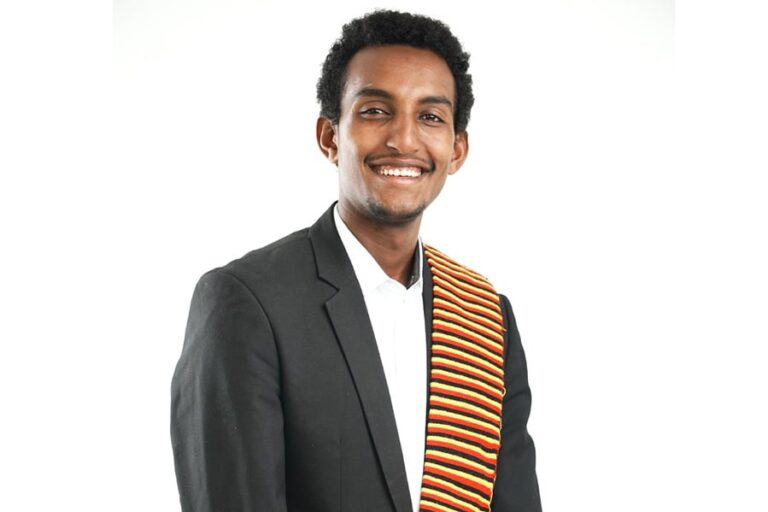
Name: Biruk Tsehay

0

2. Education: Biotechnology degree

3. Company Name: Biruk Selamawit and Friends Compost Manufacturing

4. Title: Founder and Manager

5. Founded: 2021

6. What it does: Production of organic fertilizer (compost)

7. Headquarters: Addis Ababa

8. Startup Capital: 30,000 birr

9. Current Capital: Close to 1 million birr

10. Employees: 14

11. Reason for starting the business: To address agricultural input challenges in Ethiopia, particularly the accessibility of fertilizer for farmers.

12. Biggest perk of ownership: Freedom to make impactful decisions.

13. Biggest ,Strength: Focused approach to business.

14. Biggest Challenge: Lack of understanding among people and financial constraints due to knowledge gaps.

15. Plan: To become the largest fertilizer manufacturer in Africa.

16. First Career: Car wash (Liabajo)

17. Most Interested in Meeting: Ermias Amelga

18. Admired Person: Dr. Woretaw Bezabeh

19. Stress Reducer: Working, especially in the wood.

20. Favorite Book: Abdurahman Seyyid’s “Wotatenet”

21. Favorite Pastime: Music and learning history.

22. Destination: Tanzania

23. Automobile: Land Cruiser

PSI Ethiopia addresses shortage of family planning products

0

In response to the shortage of family planning products in Ethiopia, PSI Ethiopia has announced its initiative to bridge the gap between demand and supply. The organization aims to tackle the issue and expand its reach in providing essential birth control products.

Family planning products have been in high demand in Ethiopia. However, the availability of these products has been insufficient, leading PSI Ethiopia to step into the market.

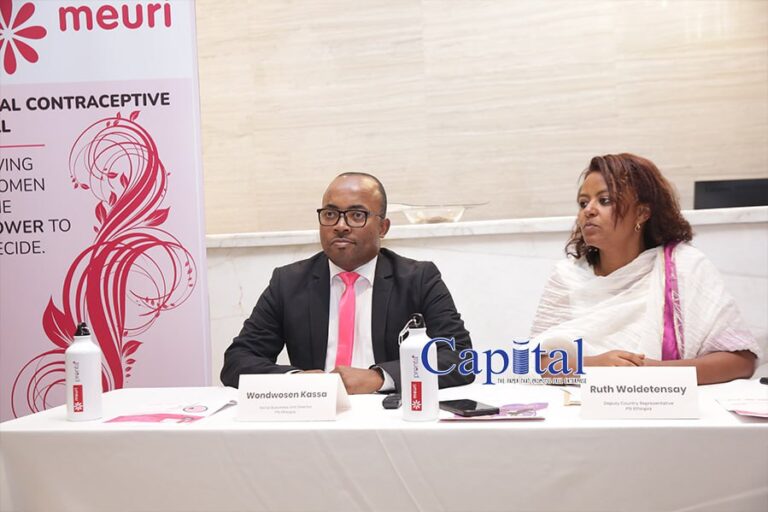
Recognizing the need to address the shortage, Wondwosen Kassa, Social Business Unit Director at PSI Ethiopia, stated, “We understand that there is a shortage of family planning products in Ethiopia, and PSI Ethiopia has entered the market to address the supply problem.”

This week, PSI Ethiopia’s social enterprise launched two new family planning products, Meuri and Prontal1, aiming to meet the unmet contraception needs of Ethiopian women and reduce the burden of unintended pregnancies and associated complications.

Different family planning products have gained significant promotion and distribution through governmental and non-governmental institutions in recent years. However, the increasing demand for these products has raised concerns among reproductive health experts, emphasizing the importance of careful use and marketing.

Wondwosen Kassa highlighted the availability of Meuri and Prontal1 through PSI Ethiopia’s extensive distribution network, marking a significant step towards improving contraceptive options and reproductive health services nationwide.

PSI Ethiopia, a non-governmental organization established in 2003 with a focus on malaria prevention, has expanded its efforts through its social business unit to address the shortage of family planning products, aiming to provide wider access to crucial reproductive health resources across the country.

GEAPP Launches Climate Africa Warsha to Advance Renewable Energy Reporting

0

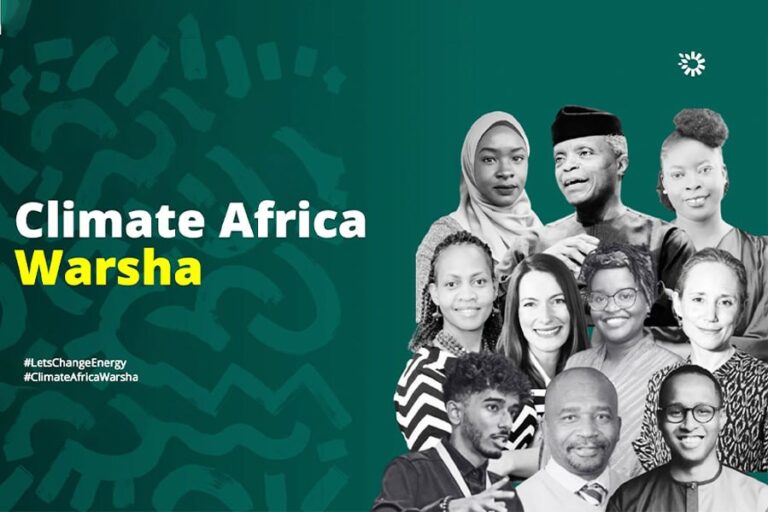
The Global Energy Alliance for People and Planet (GEAPP) and its alliance partners hosted the inaugural Climate Africa Warsha on World Press Freedom Day. The “Warsha” which means ‘workshop’ in Swahili creates a platform where journalists can connect with key renewable energy stakeholders, equipping them with the insights and skills required to elevate their reporting on the climate crisis, and energy access and transition solutions.

Africa faces profound impacts from climate change, but this story remains underrepresented in the media. Limited climate desks and a shortage of trained climate journalists result in inadequate coverage, leaving the public less informed about crucial climate issues and solutions. The inaugural warsha attracted nearly 100 participants from over 20 countries who commended the programme’s focus on practical skills development and its emphasis on building a collaborative network in the climate and energy space. Recognising the importance of continuous learning and engagement, the Climate Africa Warsha will be conducted at least twice annually, ensuring sustained momentum and keeping the journalist community updated with the latest developments and best practices in climate reporting.

The State of the Climate in Africa 2022 report shows that the rate of temperature increase in Africa has accelerated in recent decades, with weather- and climate-related hazards becoming more severe. And yet financing for energy access and transition as well as climate adaptation is focused in high-income countries. Developing economies receive only 13% of green energy financing and 6% of all solar PV and wind energy infrastructure deployed globally in 2021 went to the world’s 81 energy poor countries. Hundreds of millions of people still lack access to affordable, reliable electricity, which is critical to resilience in the face of climate change.

According to The State of the Climate in Africa 2022 report, more than 110 million people on the continent were directly affected by weather, climate and water-related hazards in 2022, causing more than US$ 8.5 billion in economic damages. There were a reported 5 000 fatalities, of which 48% were associated with drought and 43% were associated with flooding, according to the Emergency Event Database.  Yet this critical narrative often remains underrepresented in the media. Limited climate desks and a shortage of trained climate journalists result in inadequate coverage, leaving the public less informed about crucial climate issues and solutions.

According to a September 2023 Report by Internews, the biggest obstacles to effective climate change reporting in East Africa include insufficient coverage, generic stories with a global perspective rather than local focus, a lack of access to climate experts and a lack of training and specialisation in climate and environment reporting amongst journalists and newsrooms.

97% of respondents were interested in training on identifying and reporting climate misinformation.  The most curious finding, however, suggests that two-thirds of the journalists surveyed in East Africa feel the need to include climate change sceptics or deniers to provide “balance” in their reporting, which can lead to the amplification of false or misleading information.

The inaugural event aligned with the theme for this year’s World Press Freedom Day theme “A Press for the Planet: Journalism in the Face of the Environmental Crisis,” and featured expert insights from former Vice-President of Nigeria and GEAPP Global Advisor H.E. Prof Yemi Osinbajo and Adenike Oladosu, a prominent climate justice activist among others. The event also featured practical skills sessions, and valuable networking opportunities. Participants also engaged in discussions on crucial topics like Africa’s role in achieving global renewable energy and energy efficiency targets, including the COP 28 target to triple the world’s installed renewable energy generation capacity to at least 11,000 GW by 2030, given its abundant renewable energy resources, such as solar, wind, hydro, biomass, and geothermal, that can meet its current and future energy demand.

According to Africa Energy Outlook 2022, achieving Africa’s energy and climate goals means more than doubling energy investment this decade. This would take it over USD 190 billion each year from 2026 to 2030, with two-thirds going to clean energy. The share of energy investment in Africa’s GDP rises to 6.1% in the 2026-30 period, slightly above the average for emerging markets and developing economies. But Africa’s energy investment in that period is still only around 5% of the global total in the IEA’s Net Zero Emissions by 2050 Scenario. 

“GEAPP was created to address the defining twin challenges of our time—ending energy poverty and tackling the climate crisis through a just transition to renewable energy in emerging markets. We believe the media has a critical role to play in shaping public discourse on climate change and informing decision-making and policy formulation in Africa’s energy transition journey. The Climate Africa Warsha is a crucial platform for exchange between the media and other industry stakeholders, empowering journalists to effectively report on these critical issues and ultimately contributing to a more sustainable future for Africa,” said H.E. Professor Yemi Osinbajo, former Vice-President of Nigeria and Global Advisor to GEAPP.

“As journalists and communications specialists, we need to appreciate the real issues. We are not just the monitors but also the catalysts of change”, added H.E. Prof. Osinbajo.

John Allan Namu, a Kenyan award-winning investigative journalist and CEO of Africa Uncensored underscored the media’s role in creating awareness on the climate financing pledges. “Journalists need to report on why the pledges haven’t worked in the past. When nations walk out of discussions and walk away from pledges, the impact is felt. It’s not all about mentioning signatories but talking about the impact of this at a granular, community and national level”, said Namu.

Participants commended the programme’s focus on practical skills development and its emphasis on building a collaborative network in the climate and energy space. According to a survey conducted at the end of the event, 62% of respondents indicated that the topic was of high relevance. On the suitability of the panel discussion format, 90% of respondents found the format suitable for discussing complex topics related to renewable energy and climate change in Africa, while 10% were neutral, indicating room for improvement but not dissatisfaction.

“The Climate Africa Warsha provided invaluable insights and sharpened my skills in reporting on complex climate issues,” said Mark Misori, a journalist from Scholar Media Africa. “I am confident that this programme will empower journalists like myself to play a more significant role in Africa’s climate narrative.”

Phoebe Sullivan, Energy Officer at Power Africa, expressed her enthusiasm for the initiative, saying, “At Power Africa, we recognize the pivotal role of the media in shaping public opinion and policy towards sustainable energy solutions. The Climate Africa Warsha provides a valuable platform for journalists to deepen their understanding of renewable energy and climate change, ultimately driving progress towards a greener future.”

Ultimately, a well-informed media sector acting as a champion for sustainable practices and renewable energy adoption is expected to give the climate action movement a significant boost.

Adenike Oladosu, a prominent climate justice activist, emphasized the importance of media engagement in the fight against climate change, stating, “Climate journalists and the Civil society play complementary roles in raising awareness, driving change, and shaping public discourse on climate change and the transition to clean energy. By empowering the two groups with the tools and knowledge needed to cover environmental issues effectively, we can inspire action and mobilise communities towards sustainable solutions.”